
Choosing a fastpitch softball bat is one of the most important equipment decisions a player can make. Yet with dozens of brands, hundreds of models, and a new wave of “revolutionary” releases hitting the market every season, knowing where to even start feels overwhelming.
Drop weight. Barrel diameter. Two-piece vs. one-piece. Composite vs. alloy. Certifications. The variables stack up fast — and the price tags aren’t forgiving.
Here’s the truth most buying guides won’t tell you: not every bat that claims to be a game-changer actually is. Some of the boldest performance promises in softball equipment are backed by genuine engineering breakthroughs. Others are polished marketing dressed up in technical language designed to separate you from $400.
That’s exactly why we researched so you don’t have to. We’ve analyzed independent lab testing, dug into real player feedback from travel ball and high school programs, and cross-referenced the most competitive models at every price point — all to answer one straightforward question: which fastpitch bats actually deliver in 2026? What you’ll find below isn’t a recycled list of whatever’s trending on social media.
It’s an honest, experience-backed breakdown of the best fastpitch softball bats available right now — covering performance, durability, swing feel, and whether the technology inside is worth the investment . Whether you’re a high school player chasing a college roster spot, a travel ball parent navigating your third bat purchase, or a coach outfitting an entire lineup — this guide is built for you.
- Buying based on what your teammate swings. A bat that works perfectly for a 5'9" power hitter swinging a -9 is a completely different tool than what a 5'3" contact hitter needs in a -11. Brand loyalty and dugout recommendations are a starting point — not a decision.
- Choosing a bat your league doesn't certify. USA Softball, USSSA, NSA, ISA, and WBSC all have different approval lists. Showing up to a tournament with the wrong certification stamp means you're sitting out. Check the stamp before you buy, every single time.
- Treating the price tag as a performance guarantee. A $499 bat in the wrong hands will underperform a $299 bat in the right ones. The most expensive option on this list is not automatically the best option for you. Match the bat to your swing, not your budget ceiling.
- Assuming alloy bats are only for beginners. Alloy bats offer zero break-in, consistent performance in any temperature, and crack-proof durability that composites simply can't match. For high-volume practice hitters and players in cold-weather leagues, alloy is a legitimate strategic choice — not a consolation prize.
- Returning a composite bat after 30 swings because "it doesn't pop." A composite bat that hasn't been through a proper 150–200 swing break-in hasn't been tested at all. The fibers haven't compressed, the barrel isn't performing, and your opinion of it at that stage is meaningless. Be patient — the barrel reward is real.
Criteria and Our Testing Process
At AllAboutFastpitch we know how much the right bat matters. A bad choice can cost a player confidence, performance, and real money. That’s why we take our testing seriously — we want every review we publish to actually help you make a smart decision, whether you’re a player, a coach, or a parent trying to navigate a crowded market.
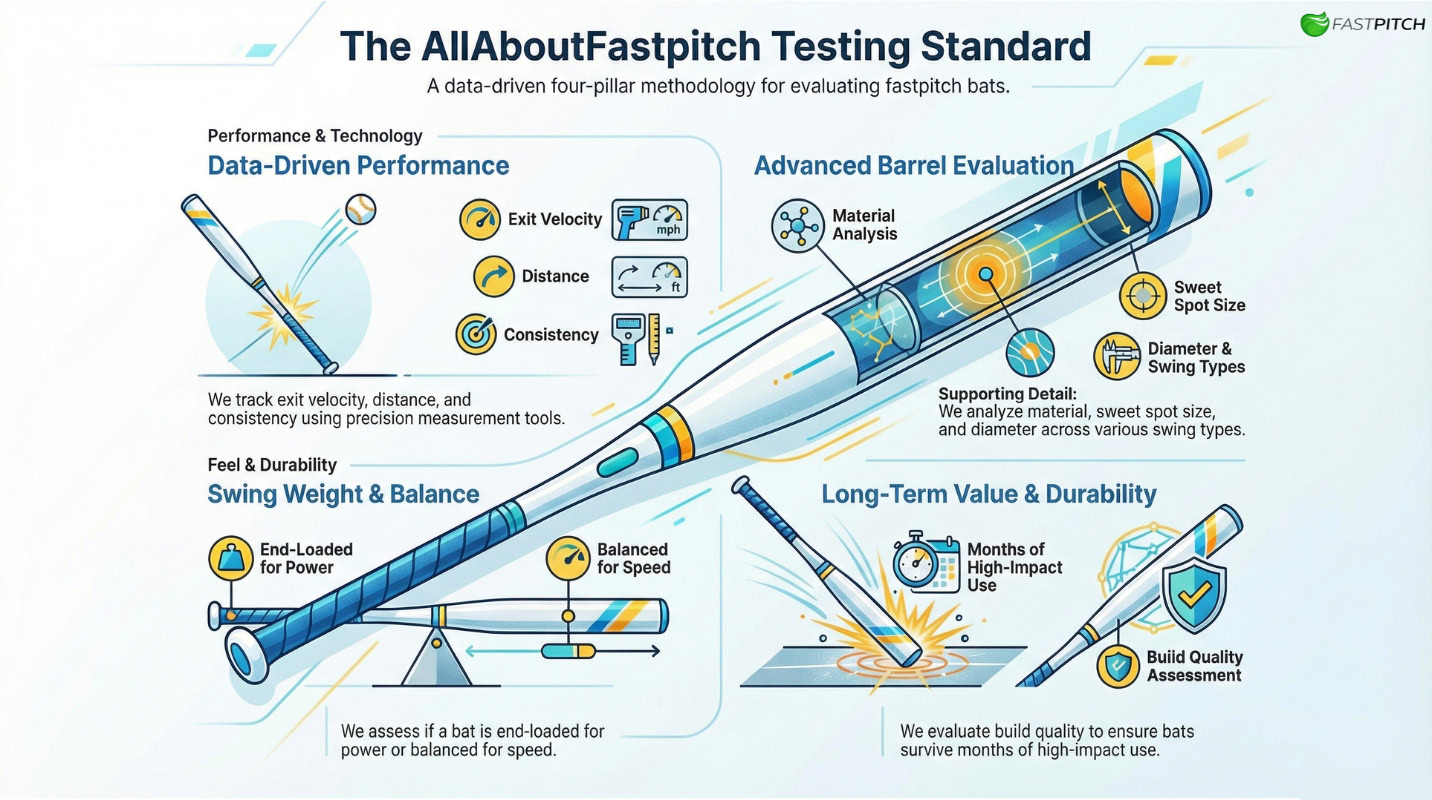
Here’s how we approach it:
Performance
This is where we start. We put each bat through real hitting sessions and track exit velocity, distance, and how consistently it performs across different types of contact. We’re not just swinging and guessing — we use measurement tools to back up what we’re seeing and feeling.
Barrel Technology
The barrel makes or breaks a bat, so we look closely at what’s going on under the paint. Material, length, diameter, sweet spot size — all of it gets evaluated. We want to know how each bat handles a variety of swing types, not just one specific hitting style.
Swing Weight and Balance
No two players swing the same way, and the right feel is different for everyone. Some hitters want the extra pop of an end-loaded bat, others need something balanced and quick through the zone. We assess swing weight carefully so our recommendations actually match the player, not just the spec sheet.
Durability
A bat that performs great in week one but cracks by week six isn’t worth your money. We look at build quality, materials, and how each bat holds up over extended use, because longevity is part of the value equation, whether you’re spending $200 or $500.
Before diving into specific models, it helps to know which drop weight is right for your game. Not sure? Start with our drop weight guide — it covers every drop from -8 to -12 and how to match the number to your hitting profile.
- Composite fastpitch bats typically deliver the largest sweet spots and highest exit velocities.
- Balanced bats are easier to control and are preferred by most contact hitters.
- End-loaded bats generate more power but require stronger swing mechanics.
- Many composite bats require a break-in period before reaching peak performance.
- The best fastpitch bat depends on swing style, strength, and league certification rules.
Fastpitch Softball Bats We Tested

1. Louisville Slugger Kryo
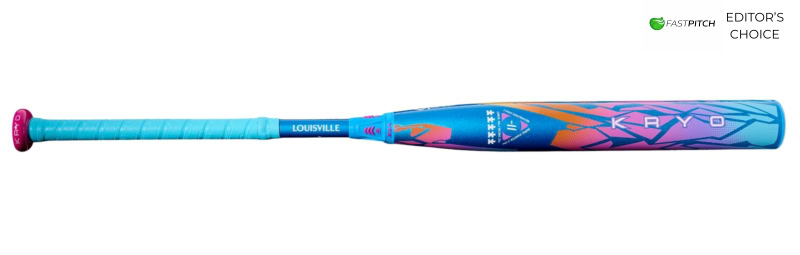
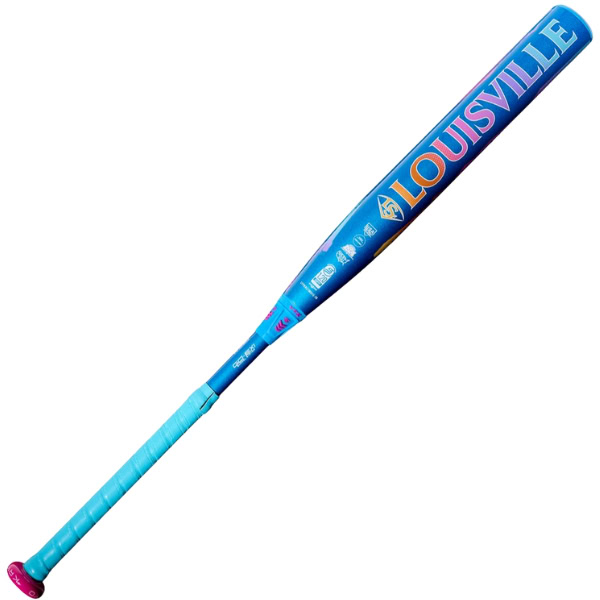
The 2026 Louisville Slugger Kryo arrives as the official successor to the beloved Meta, and it doesn’t just fill those shoes — it expands on them. At $450, this bat makes a strong case for being the best fastpitch option on the market right now.
The headline feature is Louisville Slugger’s new GO-EX1 Barrel System. Unlike a traditional barrel, this one gradually compresses during the break-in process, meaning the bat actually gets hotter over time. Once fully broken in, the difference is unmistakable — the sound gets sharper, and exit velocity climbs noticeably. In testing, the Kryo hit exit speeds up to 80.2 mph and drove balls as far as 265 feet, numbers that place it firmly in elite company.
What sets the Kryo apart from other power bats is how balanced it feels. The Easton Ghost, a natural rival, leans slightly end-loaded. The Kryo swings quicker, with a smooth, whippy feel through the zone that helps hitters generate bat speed without fighting the barrel. Compared to Louisville’s own LXT, the Kryo has a higher performance ceiling once the barrel is properly broken in, while still offering the balanced, forgiving swing the LXT is known for.
The VTX Connection System reduces sting on mishits, and the redesigned XPND End Cap extends the sweet spot toward the barrel’s end — a detail that pays off on pitches you don’t catch perfectly. Even off-center contact carries into the outfield.
Durability is solid too, holding up well even in sub-50°F conditions with no cracking.
Break-in requires some patience — rotating the barrel on a tee is the recommended method — but the payoff is well worth it. The Kryo is the real deal.
- Barrel gets hotter as it breaks in — performance compounds over time
- GO-EX1 system drives exit velocity into elite territory (up to 80.2 mph)
- Balanced swing feel — quicker through the zone than the Ghost
- XPND End Cap extends the sweet spot toward the end of the barrel
- VTX Connection reduces sting noticeably on mishits
- Longer break-in process — requires patience before peak performance
- Premium price point at $449
2. DeMarini Future
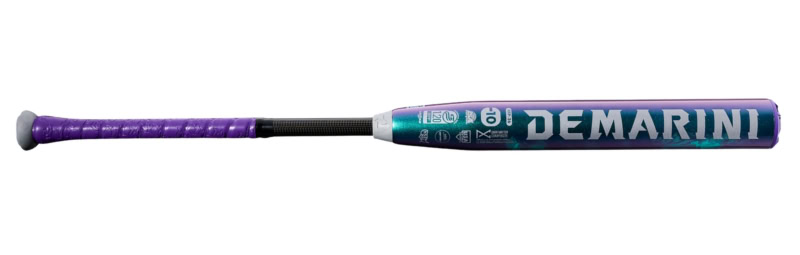
DeMarini’s latest fastpitch offering, the 2026 Future, brings a fresh perspective to the plate — both literally and figuratively. Launched in August, this bat continues the brand’s tradition of producing well-balanced, player-friendly sticks while pushing the technology forward in a few meaningful ways.
The most eye-catching thing about the Future is its bold galaxy and tie-dye aesthetic. Love it or leave it, there’s no missing it in the dugout. Beneath the flashy exterior, however, is where the real story unfolds.
At the core of the Future’s design is the Dark Matter Composite Gapped Wall Barrel, which features the widest air gap of any bat DeMarini has produced to date. The result is a generously sized sweet spot with impressive forgiveness — a clear step up from older models like the Lotus. Hitters who don’t always make perfect contact will notice the difference immediately. The Damplify Connection System and Damplify Knob work in tandem to absorb vibration and eliminate hand sting, while still feeding back enough feel to keep hitters informed about where they’re making contact.
Swing-wise, the balance is one of the Future’s strongest selling points. It moves through the zone fluidly, making it particularly well-suited to players who prioritize bat speed and control. Pop off the sweet spot is genuinely impressive — one tester noted the ball jumped off the barrel more than expected.
A couple of things are worth flagging. The sound at contact is noticeably muted compared to bats like the Ghost or Lotus, which may take some getting used to. The bat also benefits from a proper break-in period before it peaks.
For contact hitters seeking a forgiving, balanced bat with standout style, the DeMarini Future is a strong contender.
- Widest air gap barrel in DeMarini's entire lineup
- Extremely forgiving — off-center contact still carries
- Damplify system kills hand sting without losing feel
- Balanced, fluid swing — built for bat speed over brute force
- Bold aesthetic that stands out in the dugout
- Muted sound at contact — takes getting used to
- Not suited for power or end-loaded hitters
- Needs a proper break-in period before it peaks
3. Easton Ghost Unlimited
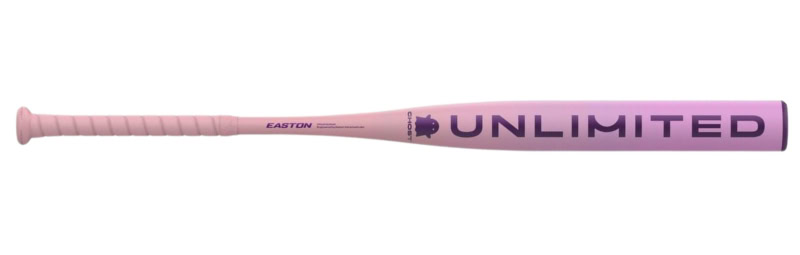
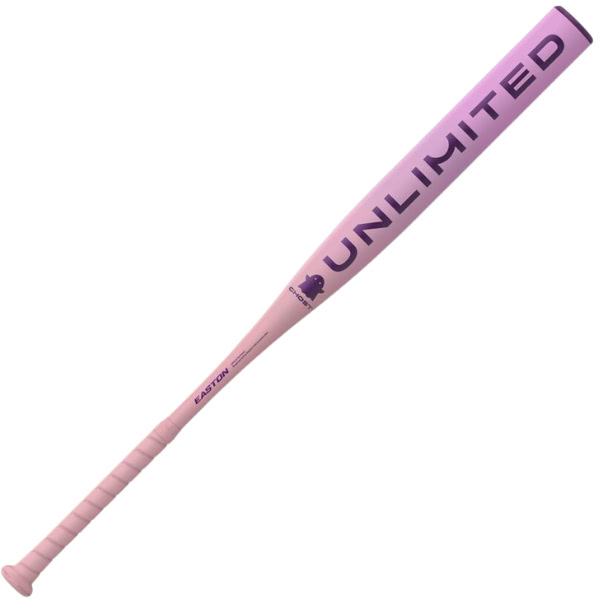
The Easton Ghost has been a dominant force in fastpitch softball for years, but the 2026 Ghost Unlimited takes the lineup in a bold new direction. Instead of sticking with the trusted two-piece composite formula, Easton has gone with a one-piece build — and the result is one of the most powerful, ready-to-swing bats in the game right now.
At $499.99, this bat is built with a clear purpose: transfer as much energy as possible from your swing into the ball. With no connection joint to interrupt that energy, every bit of power you generate goes exactly where it needs to. Better yet, there’s zero break-in time — it’s hot from the very first swing.
The Double Barrel EXT is the standout feature, extending the barrel a full inch longer than previous Ghost models. For a one-piece bat, the sweet spot is surprisingly generous, giving hitters more room for error than you’d typically expect from a stiff design. The VRS1 internal system does solid work keeping vibration in check on mishits, and the Sonic Comp MAX barrel — the lowest compression Easton has ever produced — delivers explosive pop that you feel immediately.
That said, this bat comes with a clear profile in mind. The -9 drop weight is aimed at stronger athletes who can handle the extra mass without losing bat speed. It swings balanced rather than end-loaded, which helps, but players still developing their strength may find it a handful.
Durability is worth keeping in mind too — ultra-low compression barrels tend to have a shorter performance window than more conservative designs.
For power hitters competing at a high level, though, the 2026 Ghost Unlimited is a serious weapon that’s difficult to look past.
- Hot right out of the wrapper — zero break-in period
- Lowest compression barrel Easton has ever produced
- Double Barrel EXT adds a full inch of barrel length vs. prior Ghost
- Maximum energy transfer — one-piece design loses nothing at contact
- Satisfying, sharp crack on solid contact
- Highest price point in the category at $499
- Ultra-low compression shortens overall performance window
- -9 only — developing players and lighter swingers may struggle
- Not the right tool for contact or slap hitters
4. Louisville Slugger LXT
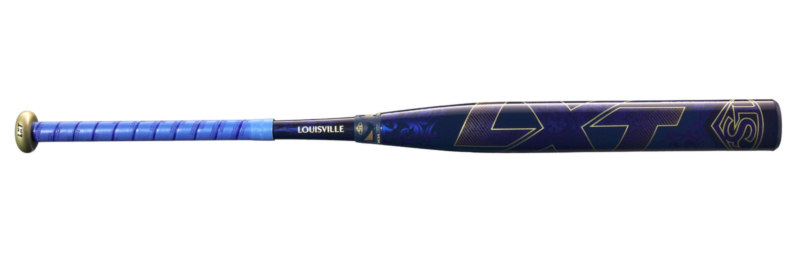
If you’re serious about fastpitch softball, you’ve probably heard the name Louisville Slugger LXT tossed around more than a few times in the dugout. And honestly? The hype is earned.
The Louisville Slugger LXT is one of the most consistent, reliable composite bats on the market right now — and it’s not hard to see why it keeps landing on coaches’ and players’ top picks lists year after year.
At the heart of the LXT is its patented PBF Technology Speed Composite Barrel — a single-disc system engineered for a massive sweet spot and serious pop on contact. Even when you don’t catch the ball perfectly on the barrel, the fine-tuned lower portion still helps drive the ball with authority.
What really sets it apart from the competition is the VCX3 Vibration Connection System. This patented elastomeric connection allows independent movement between the barrel and handle, controlling vibration and delivering a smooth, clean feel on every swing. Homer Underby Bats Only
The LXT is a contact-first bat — it’s not a power monster, but it’s one of the safest, most dependable picks in fastpitch. It’s ideal for:
- High school and college hitters who prioritize bat control and consistency
- Contact-focused players looking to drive up their batting average
- Hitters who want a balanced swing weight without sacrificing pop
Th Louisville Slugger LXT is still the most reliable contact-first fastpitch composite bat on the market — balanced, smooth, and consistent. For any player ready to elevate their game, this bat delivers where it counts.
- Best-in-class consistency — a top pick season after season
- PBF barrel delivers a massive sweet spot with real forgiveness
- VCX3 Connection allows independent barrel and handle movement
- Light, balanced feel — easy to control through the zone
- Proven multi-season durability track record
- Not the first choice for power hitters
- Lower performance ceiling vs. the Kryo once fully broken in
5. DeMarini Lotus
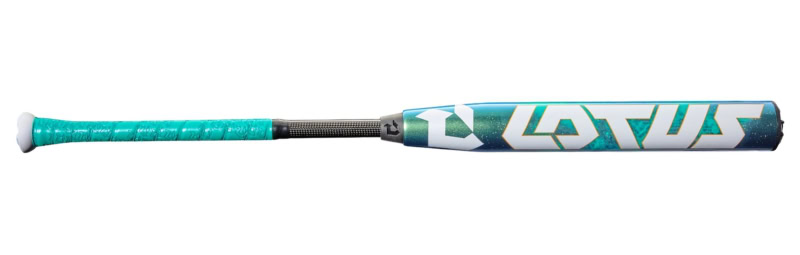
Spending $399.95 on a fastpitch bat is a leap of faith. With the 2026 DeMarini Lotus, that faith is well-placed — though not for every player on the field.
What makes the Lotus genuinely different is the engineering underneath the grip. DeMarini’s Dark Matter Composite material, formed into a gapped wall barrel design, delivers standout performance at every level of play. The barrel walls flex inward on contact and spring back — acting like a built-in trampoline that pushes the ball harder without demanding brute strength from the hitter. That’s a meaningful mechanical advantage, not a marketing headline.
The two-piece construction keeps the swing honest. Swing feel is balanced and quick — purpose-built for contact-oriented hitters and players who value control through the zone. Slappers, gap hitters, and players with naturally fast hands will feel immediately at home. Early demos confirm it has nice pop and a noticeably better sound than previous DeMarini composite models.
The drop-weight lineup is smartly tiered. The -11 and -10 use a Gapped Wall Barrel, while the -9 and -8 step up to an innovative Gapped Double Wall Barrel — effectively giving power hitters a structurally different bat within the same lineup. That’s not a small distinction.
Where the Lotus falls short is straightforward: it’s not designed for power-first or end-loaded hitters. Players who need maximum raw exit velocity above everything else will want to look elsewhere.
For everyone else — the contact hitters, the slappers, the players who win games with precision rather than pure force — the Lotus is one of the smartest buys in the 2026 fastpitch market.
- Gapped wall flexes inward on contact and springs back — built-in trampoline effect
- -9 and -8 drops get an upgraded Gapped Double Wall barrel
- Noticeably better sound than older DeMarini composite models
- Ideal swing weight for slappers and gap hitters
- Balanced, quick feel through the zone
- Not designed for power-first hitters
- Requires standard composite break-in period
6. Easton Ghost Advanced
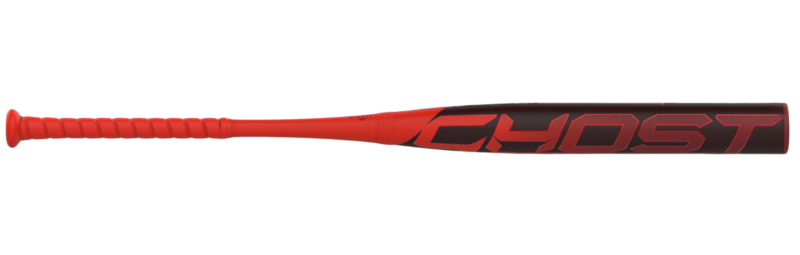
If the Ghost Unlimited is built for speed, the Ghost Advanced is built for authority. The two bats share a family name, but the hitter they’re designed for is meaningfully different.
The Ghost Advanced uses Easton’s ConneXion+ technology — a two-piece composite connection system engineered to reduce vibration transfer to the hands on mishits while preserving the barrel’s responsive feedback on well-struck balls. In practice, this means you get a cleaner feel through the zone without losing the information you need to adjust your swing. That’s a harder balance to achieve than most bat manufacturers admit.
The barrel carries a slightly heavier swing weight than the Unlimited. It’s not dramatically end-loaded, but hitters who prefer a whippy, contact-first feel may notice the difference after extended use. Power hitters and players with a longer, more deliberate swing path will find the weight distribution works with their mechanics rather than against them.
Durability is a real strength here. The Ghost Advanced composite holds its structural integrity well through a full travel ball season, which matters when you’re putting regular high-volume reps on the bat in both practice and game settings. A bat that performs great in April but softens by July isn’t worth the investment — this one holds up.
Break-in still applies, as with any composite model. Budget 150 hits of gradual rotation before committing it to live at-bats. For serious high school athletes and college-bound players who want a technically refined, power-oriented composite bat, the Ghost Advanced delivers where it counts. It’s purpose-built for players who hit with intention.
- Double-barrel construction produces a noticeably larger and more responsive sweet spot than single-wall designs
- Carries real pop across all four drop weights — not just the -9
- Two-piece design absorbs mishit vibration better than the one-piece Ghost Unlimited
- VRS1 connection keeps the barrel and handle decoupled on bad contact
- Multi-season track record — the Ghost Advanced lineage has proven durability across travel ball programs
- Requires a full 150–200 swing break-in before the barrel reaches peak responsiveness
- At $400–$500, sits at the top of the composite price tier — no budget flexibility
- Slightly end-biased swing feel compared to the Kryo — takes adjustment for hitters coming from a balanced bat
- Cold-weather performance drops notably — composite barrel stiffens below 55°F
7. DeMarini Prism+
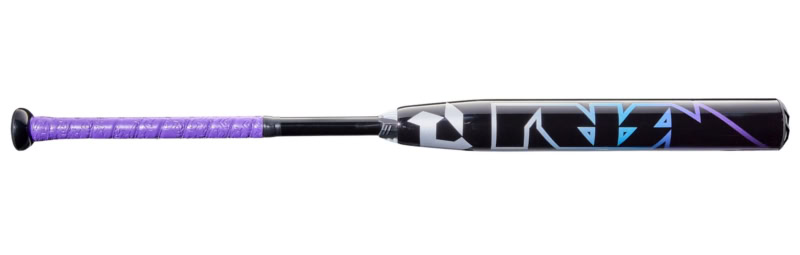
This bat was clearly designed with a specific hitter in mind: the contact hitter, the slapper, and the developing player who wants to generate faster swing speed without fighting a heavy barrel. If you step in looking to muscle the ball over the fence, there are better options. But if plate coverage and quick hands are your strengths? Keep reading.
For 2026, DeMarini offers the Prism+ exclusively in a -11 drop weight — a deliberate choice that signals exactly what this bat is optimized for.
The standout feature is the dual-wall composite barrel construction, where an inner and outer wall are separated by a small gap. The carbon fiber runs in one continuous sheet — no overlapping layers, no seam interruptions. The result is a wider hitting zone with a consistent, lively response across more of the barrel.
Key tech highlights:
- Specialized barrel-to-handle connection engineered to transfer energy efficiently while cutting down on hand vibration
- Slim 0.800″ handle that improves feedback and reduces sting on off-center hits
- Lightweight end cap that shifts the swing balance toward your hands for faster bat speed
The sound on contact is notably sharp — a high-pitched crack that composite hitters will immediately recognize as clean contact.
- Enormous sweet spot with no dead zones across the barrel
- Excellent vibration dampening — holds up even in cold weather
- Sharp, satisfying crack on solid contact
- Slim 0.800" handle improves feedback and reduces sting
- Lightweight end cap shifts balance toward the hands for faster swing speed
- Only available in -11 for 2026
- 50–100 swing break-in period required before peak performance
8. DeMarini CF
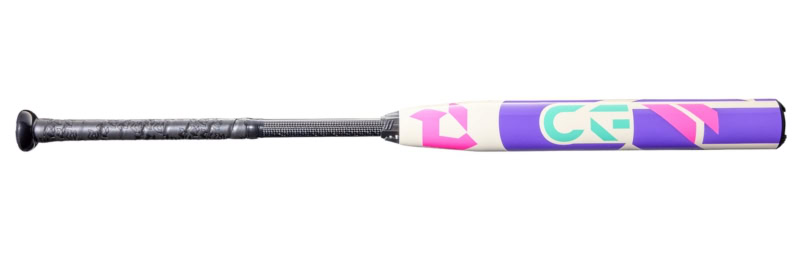
If there’s one bat that shows up consistently in competitive high school and travel ball lineups, it’s the DeMarini CF. The 2026 model carries that reputation forward — and for players who prioritize barrel control over raw power, it’s hard to argue with the results.
The two-piece construction pairs a Paraflex Plus Composite Barrel with DeMarini’s Type V CF Connection. What that means on the field: a wide, forgiving sweet spot that doesn’t punish imperfect contact, and a clean transfer of energy through the barrel rather than back into your hands. Off-center hits still carry. Mishits don’t sting. That combination matters a lot over the course of a full season.
Swing weight sits in balanced territory, which is the right call for most players at this level. Hands move faster through the zone, bat path is easier to control, and the Tracer End Cap keeps the barrel from dragging. Players stepping up from a -11 will adjust quickly — the -10 transition feels natural rather than abrupt.
One honest note: the CF has a real break-in period. Plan for 150–200 swings before the barrel reaches peak responsiveness. That’s standard for multi-layer composite construction, but it’s worth knowing before your first tournament weekend.
At $399, it’s a serious investment. But for contact hitters, slap hitters, gap hitters, and players who want a technically reliable bat certified across USSSA Fastpitch, USA Softball, NSA, ISA, and WBSC — the CF earns every dollar.
Are you interested in comparing the performance of the new CF with the renowned LXT? You can find the details here.
- Wide, forgiving sweet spot — off-center hits still carry
- Clean energy transfer with minimal hand sting
- Great looks and a satisfying sound on solid contact
- Certified across USSSA, USA, NSA, ISA, and WBSC
- Balanced swing weight — easy transition from a -11
- 150–200 swings needed before the barrel reaches peak performance
- Not suited for power-first hitters
9. Rawlings Mantra
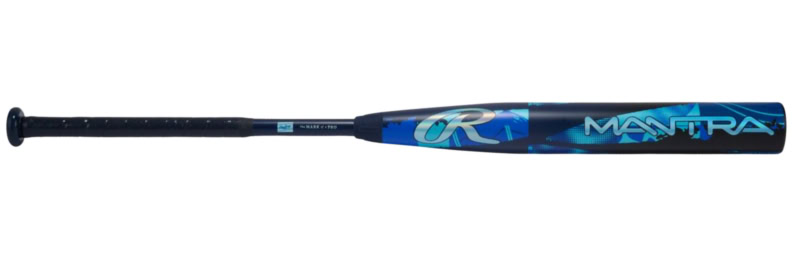
Rawlings doesn’t get mentioned first in most dugout conversations about premium fastpitch equipment — but the 2026 Mantra makes a case that the brand deserves a closer look. Built on a two-piece composite platform with a neutral balance point, this bat is designed for athletes who generate production through bat speed, plate coverage, and smart contact rather than brute force. The reconstructed connection collar cuts down on the handle interference and hand sting that frustrated hitters in last year’s model, and the addition of a lighter drop option means more player types can access Mantra-level barrel technology than ever before.
What separates this bat from the competition in its price tier is how it performs across an entire lineup — not just on the best swings of the day. The inner barrel architecture distributes compression and flex across three distinct zones, which means pitches caught on the inner or outer thirds of the hitting surface still generate enough punch to find the outfield. At roughly $50 to $100 less than the Easton Ghost Advanced, it delivers comparable all-around production for players whose game is built on consistency rather than chasing maximum exit velocity numbers.
Prospective buyers should go in clear-eyed about one thing: the Mantra family hasn’t yet built the kind of multi-season reliability reputation that the Louisville Slugger LXT or DeMarini CF carries. The 2026 version shows meaningful construction improvements, and early indicators are promising — but a single season of field data doesn’t replace years of proven performance. Treat warranty registration as step one on delivery day, manage the break-in process carefully, and this bat rewards the right hitter with a smooth, forgiving, confidence-building feel from the first week of the season through the last tournament of the fall.
- Reconstructed F2 Collar reduces handle drag and cold-day sting vs. the 2025 model
- Three-Step Inner Barrel keeps off-center hits carrying to the outfield gaps
- New -11 drop opens the lineup to 12u and early travel ball players for the first time
- Priced $50–$100 below the Ghost Advanced for comparable all-around performance
- Neutral balance point — no barrel pull, responsive feel for fast hands
- Mixed multi-season durability track record — register the bat immediately
- Vibration dampening still trails the DeMarini CF on cold-day jammed pitches
- Not a power hitter's bat — peak exit velocity below the Ghost Advanced
10. Mizuno F23-PWR CRBN
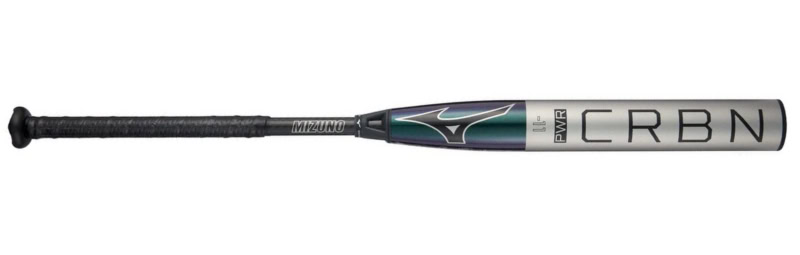
The Mizuno F23-PWR CRBN is one of the most underrated fastpitch bats on the market, offering serious performance without the hype that follows brands like Easton and DeMarini. Built as a two-piece composite with Mizuno’s Black Onyx Carbon technology, this bat brings a unique combination of power, durability, and value that deserves more attention.
At the heart of the PWR CRBN is Mizuno’s Detonator Cor barrel technology, which creates lower barrel compression for explosive pop and a satisfying boom at contact. The barrel itself is noticeably large, giving hitters a generous sweet spot and more forgiveness on off-center hits. It’s paired with the Dual Frequency Damper connection system, which does an excellent job minimizing vibration while maintaining a stiff, responsive feel that transfers energy efficiently into the ball.
One thing to know upfront: this bat requires a proper break-in period. Out of the wrapper, it’s not as hot as some competitors, and hitters have reported needing 200-300 swings before it really opens up. Once broken in, though, the performance is genuinely elite — testers have compared it favorably to the Ghost and other top-tier models in exit velocity and distance.
The swing weight feels balanced, though some younger players have noted it can feel slightly end-loaded compared to bats like the DeMarini CF. It’s also built to last — Mizuno has a reputation for durability, and the PWR CRBN holds up exceptionally well even with heavy use.
For the price, the Mizuno F23-PWR CRBN is one of the best values in fastpitch. It won’t grab headlines, but it delivers where it counts: consistent performance, solid construction, and a price point that makes it accessible without sacrificing quality. If you’re willing to put in the break-in work, this bat is absolutely worth considering.
See how the new F23 compares to the Slugger LXT here. A true clash of great bats!
- Stiff carbon handle keeps energy in the ball instead of absorbing it through a soft connection — a meaningfully different feel from typical two-piece designs
- Detonator Cor barrel compression is low and game-ready faster than most composites — shorter break-in window
- Dual Frequency Damper combines two materials to cut vibration without sacrificing stiffness on clean contact
- Cylinder Seaming distributes barrel performance consistently — no dead zones, predictable response across the hitting surface
- Multi-league certified: USSSA, USA/ASA, ISA, NSA, and WBSC/ISF — covers nearly every competitive association
- Stiff handle feel is noticeably different from soft-connection two-piece bats — takes adjustment if you're coming from an LXT, CF, or Prism+
- Mizuno's brand footprint in fastpitch is smaller than Easton, DeMarini, or Louisville Slugger — less peer feedback and fewer dugout comparisons to draw from
- Not an end-loaded option — power hitters seeking maximum barrel mass should look elsewhere
2026 Best Fastpitch Bats — Comparison
| 2026 Best Composite Fastpitch Bats — Comparison | |||||||
|---|---|---|---|---|---|---|---|
| Bat | Construction | Drop Options | Swing Feel | Certification | Price | Best For | Buy |
| Louisville Slugger Kryo #1 — Editors' Choice |
Two-piece composite | -8, -9, -10, -11 | Balanced, smooth | USA, USSSA, NFHS | $449 | All hitter types | Check Price on Amazon |
| DeMarini Future #2 |
Two-piece composite | -8, -9, -10 | Balanced | USA, USSSA | $449 | All hitters | Check Price on Amazon |
| Easton Ghost Unlimited #3 |
One-piece composite | -8, -9, -10, -11 | End-loaded | USA, USSSA, NFHS | $499 | Power hitters | Check Price on Amazon |
| Louisville Slugger LXT #4 |
Two-piece composite | -8, -9, -10 | Balanced | USSSA, NFHS | $399 | All hitters | Check Price on Amazon |
| DeMarini Lotus #5 |
Two-piece composite | -8, -9 | Balanced | USA, USSSA, NFHS | $399 | All hitters | Check Price on Amazon |
| Easton Ghost Advanced #6 |
One-piece composite | -8, -9, -10 | Balanced | USA, USSSA | $499 | All hitters | Check Price on Amazon |
| DeMarini Prism+ #7 |
Two-piece composite | -8, -9, -10 | Balanced | USA, USSSA | $399 | All hitters | Check Price on Amazon |
| DeMarini CF #8 |
Two-piece composite | -8, -9, -10 | End-loaded | USSSA, NFHS | $399 | Power hitters | Check Price on Amazon |
| Rawlings Mantra #9 |
Two-piece composite | -8, -9, -10 | Balanced | USA, USSSA | $349–$399 | All hitters | Check Price on Amazon |
| Mizuno F23-PWR CRBN #10 |
Two-piece composite | -8, -9, -10 | Balanced | USA, USSSA | $400 | All hitters | Check Price on Amazon |
How To Choose The Right Fastpitch Bat
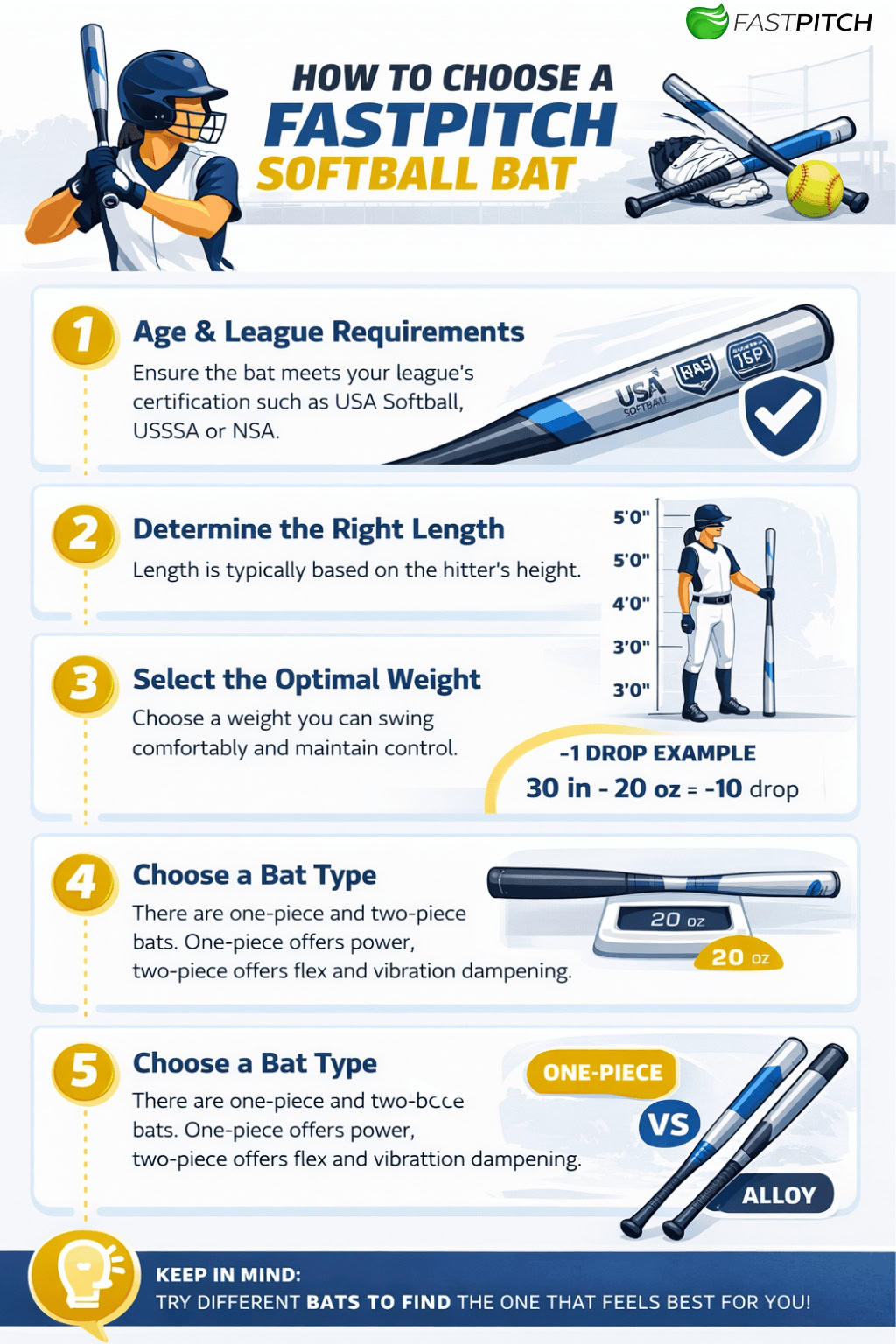
How to Pick the Right Size of the Softball Bat
A key to finding a fastpitch bat that is perfect for you is to get the size and weight that fits you. Here is our guide, where we go into much more detail in helping you choose the right bat.
The Right Length
When choosing the softball bat that is right for you, you need to know how to measure it properly. The length is measured from the knob to the barrel. Place the knob at the center of your chest and extend the barrel out toward your fingertips. If you can touch the end of the bat with your fingertips, the bat is an appropriate size.
Another way is to measure from the center of your chest to the tips of your index finger, with your arm straight out to your side. The approximate length of the bat you need according to the height and weight is shown in the chart below.
| Softball Bat Sizing Chart — Recommended Bat Length (inches) | ||||||||||
|---|---|---|---|---|---|---|---|---|---|---|
| Weight (lbs) ↓ / Height (in) → | 36–40" | 41–44" | 45–48" | 49–52" | 53–56" | 57–60" | 61–64" | 65–68" | 69–72" | 73+" |
| <60 lbs | 26" | 27" | 28" | 29" | 29" | 29" | 29" | 30" | 31" | 31" |
| 61–70 lbs | 27" | 27" | 28" | 29" | 30" | 30" | 30" | 31" | 31" | 31" |
| 71–80 lbs | 27" | 28" | 28" | 29" | 30" | 30" | 31" | 31" | 31" | 32" |
| 81–90 lbs | 27" | 28" | 29" | 29" | 30" | 30" | 31" | 31" | 32" | 32" |
| 91–100 lbs | 27" | 28" | 29" | 30" | 30" | 31" | 31" | 32" | 32" | 32" |
| 101–110 lbs | 28" | 29" | 29" | 30" | 30" | 31" | 31" | 32" | 32" | 32" |
| 111–120 lbs | 28" | 29" | 29" | 30" | 30" | 31" | 31" | 31" | 32" | 33" |
| 121–130 lbs | 28" | 29" | 29" | 30" | 30" | 31" | 32" | 32" | 33" | 33" |
| 131–140 lbs | 28" | 29" | 30" | 30" | 31" | 31" | 32" | 33" | 33" | 33" |
| 141–150 lbs | 28" | 29" | 30" | 31" | 31" | 31" | 32" | 33" | 33" | 33" |
| 151–160 lbs | 29" | 29" | 30" | 31" | 31" | 32" | 32" | 33" | 33" | 34" |
| 161–170 lbs | 29" | 29" | 30" | 31" | 31" | 32" | 32" | 33" | 33" | 34" |
| 171–180 lbs | 29" | 29" | 30" | 31" | 31" | 32" | 33" | 33" | 34" | 34" |
| 180+ lbs | 30" | 30" | 31" | 31" | 32" | 32" | 33" | 33" | 34" | 34" |
The Right Weight
When it comes to weight, you should go with a weight that you are comfortable swinging. Many beginners or parents of young players tend to choose a bat that is too heavy.
If you can’t hold the bat with one hand, with your arm extended to your side, for 30 seconds without struggle, the bat is probably too heavy for you.
The Right Drop
The drop is the number that represents the difference between the length and weight of the bat. A lower drop usually indicates a heavier bat.
The fastpitch softball bats usually have a drop ranging from -8 to -13. Don’t let this number confuse you: it is merely an indicator of the weight-to-length ratio of your bat.
Construction of a Fastpitch Softball Bat
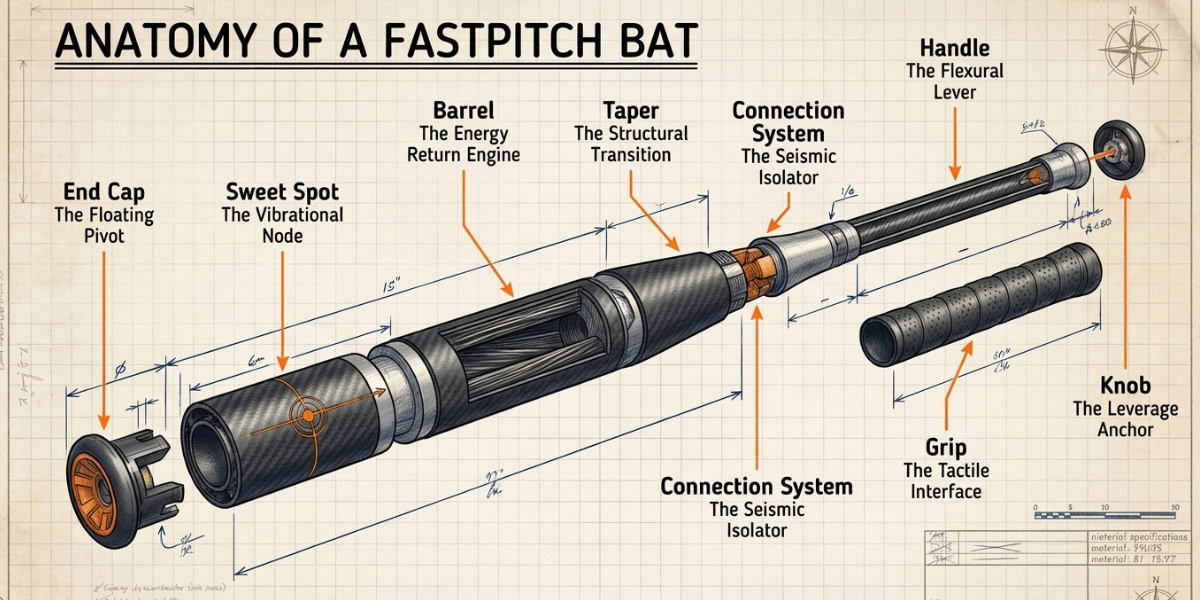
The two main parts of any softball bat are the handle and the barrel.
Other parts are the knob, grip and end cap.
The barrel is the top part of the softball bat and it’s defined by its diameter and length. The handle is the bottom part of the bat that the player grasps. The diameter of the handle is called the taper.
Construction
Depending on the way they are constructed fastpitch bats can be one-piece or two-piece. A one-piece bat is developed as one continuous piece, while at a two-piece bat the barrel and the handle are separate sections, which are bonded together.
One-Piece Bats
They provide little or no give and have a stiff feel when contact is made with the ball. They have a very minimal amount of flex at contact, so little energy is lost on impact which results in more power. This type of bats is great for power hitters.
Two-Piece Bats
They provide more flex at contact with the ball and create a “whip” effect that results in an increase in bat speed during a swing. Two-piece bats are fitting for the contact hitters.
What More to Look for in Softball Bats
Speed
Bat speed is very important for softball hitters, especially in fastpitch. In softball today, the pitchers are getting bigger, stronger, and faster, the players have to either get faster or make their swing shorter. Players with faster bats can wait longer to see the ball better, which allows them to make better decisions. By increasing their bat speed, players will improve their mechanics, hand-eye coordination and will be able to hit for greater distances. When choosing the best fastpitch bat for you make sure to pick one that will allow you to get the maximum out of your bat speed.
Performance
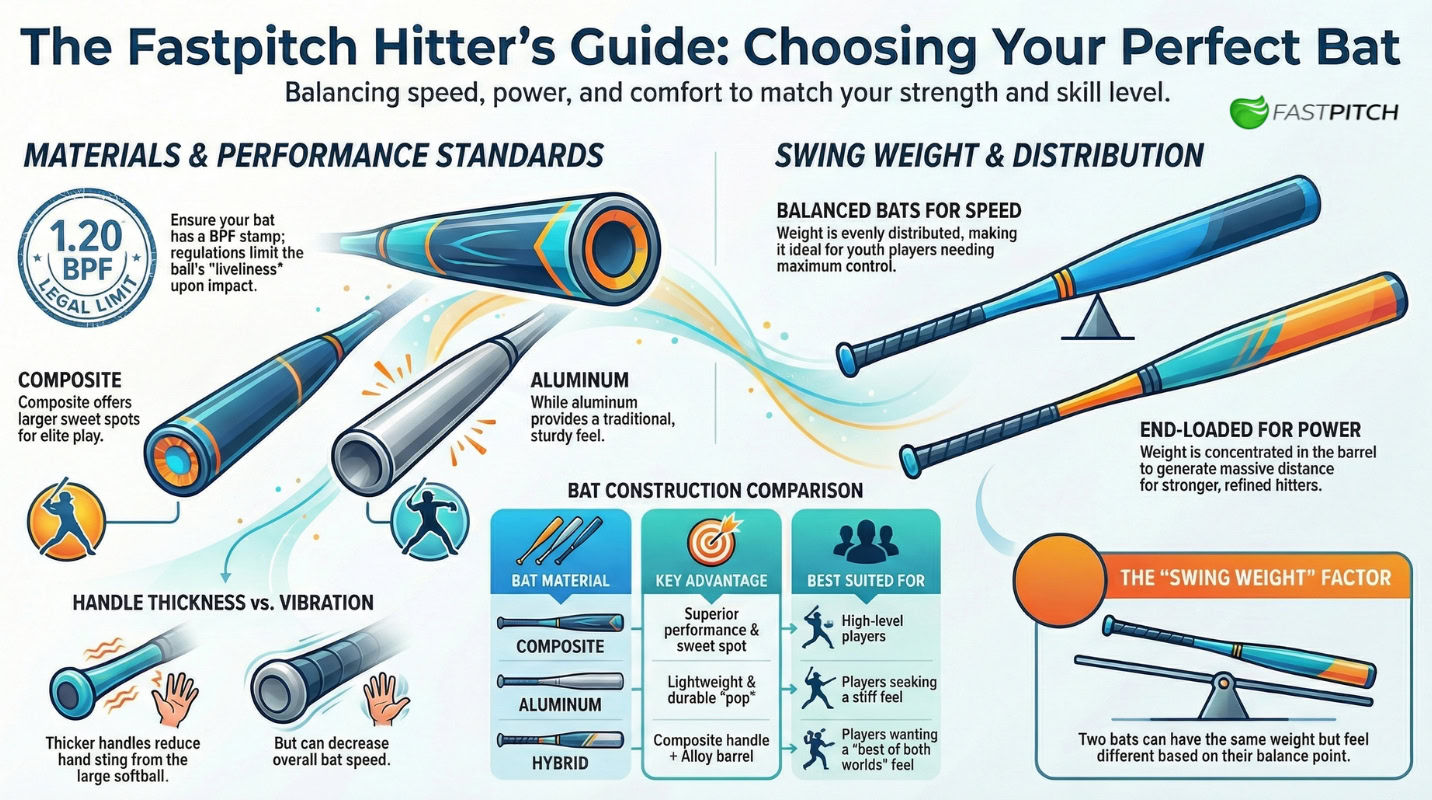
Intuitively, you would want to go for a bat that has the best performance possible. However, it is not that simple. New requirements announced in 2011 introduced a new regulation parameter called BPF – bat performance factor. This does not limit the speed of the ball upon hit, but the increase in the liveliness of a ball hitting a bat compared to throwing a ball against a solid wall. According to current regulations bats may not exceed a BPF of 1.20. So when shopping for a softball bat make sure to check whether it has a BPF stamp, to confirm it is legal for play.
Material
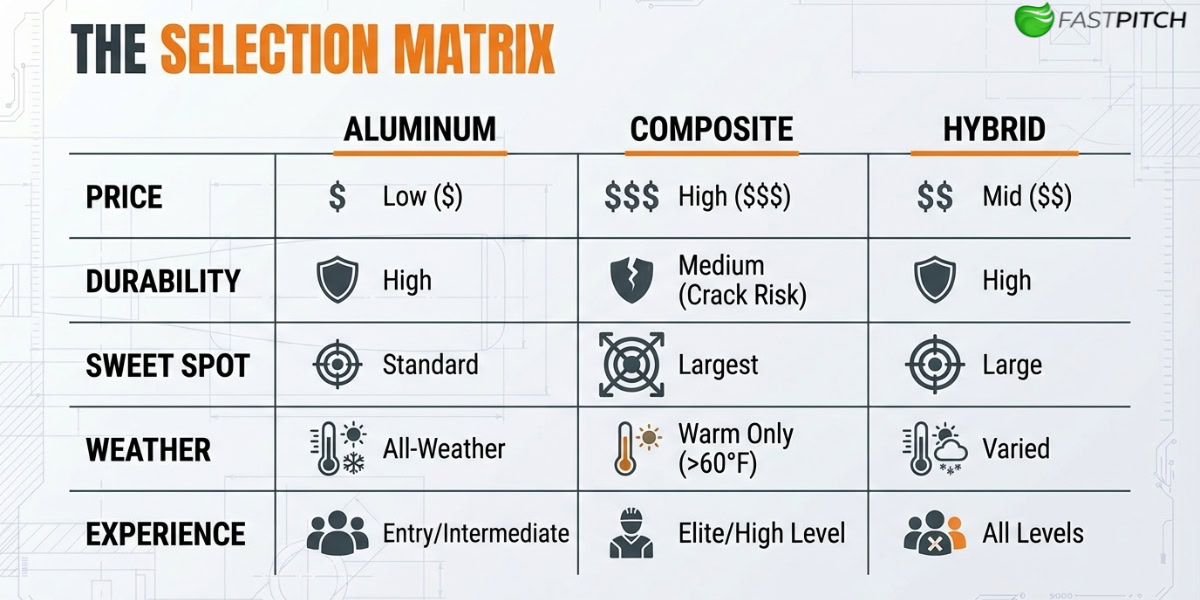
According to the material they are made of, softball bats can be aluminum, or alloy bats, composite and hybrid bats also called half-and-half. Wooden bats are mostly abandoned in competitive fastpitch softball.
Composite Bats
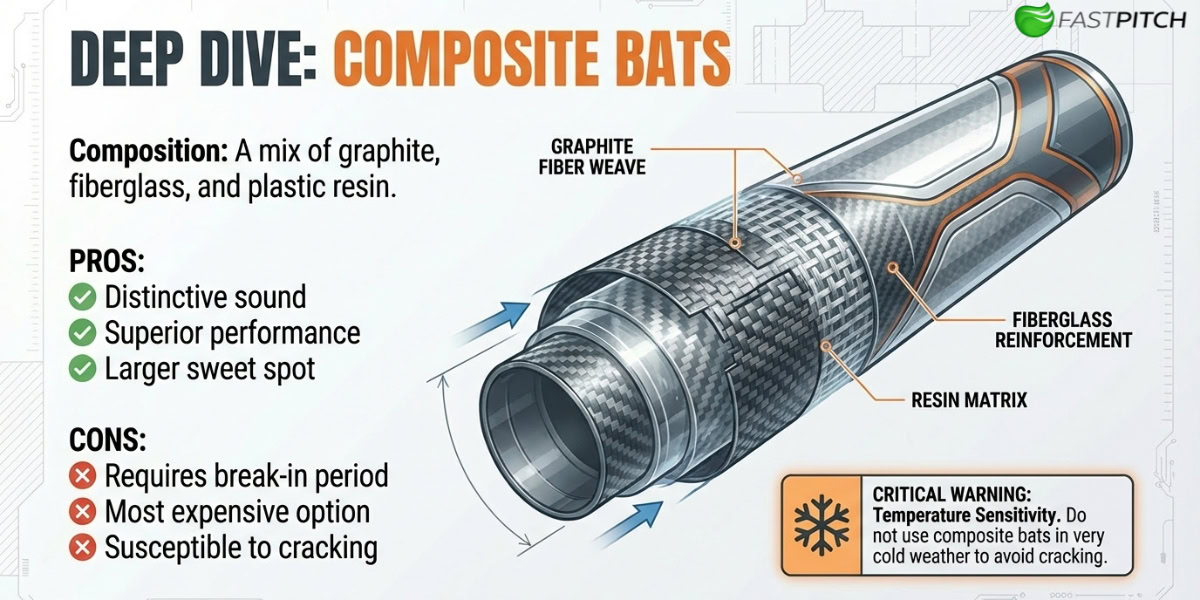
Composite bats are made of a mix of graphite, fiberglass, and plastic resin, which gives them a distinctive sound. Composite bats are durable, superior in performance, have a larger sweet spot, but they also tend to crack and they can’t be used in very cold weather. They are also the most expensive version of softball bats, so they are used mainly by players on a higher level.
Aluminum Bats
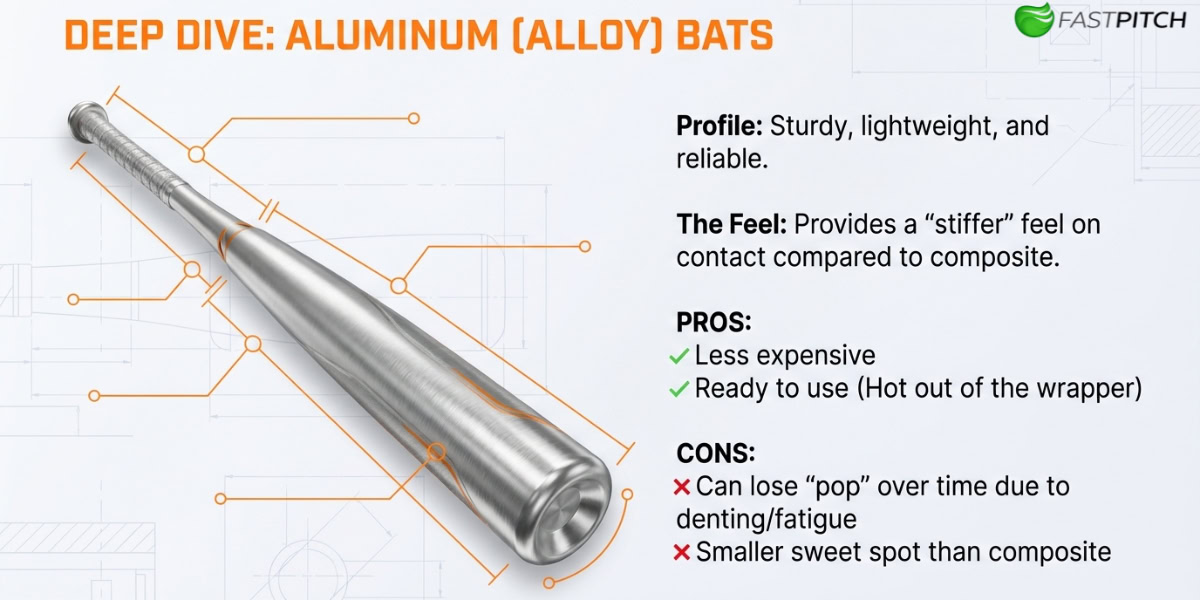
Aluminum bats are traditional, less expensive, they give a “stiffer” feel and, in theory, they can lose their pop over time. They are used by the players that prefer sturdy, lightweight bats.
Hybrid Bats
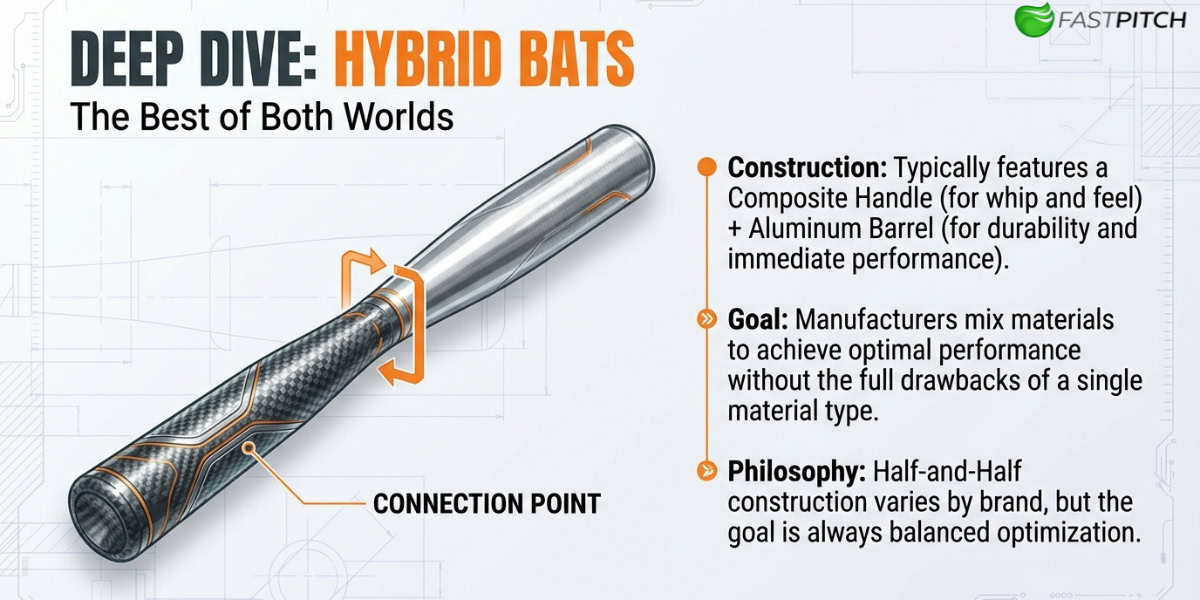
Hybrid bats are created from the idea to give players the best of both worlds. They are made in a way to include both aluminum and elements made of composite materials. Every manufacturer behind hybrid models has their reason and way of crafting the bat they claim has the optimal performance. The most traditional hybrid bat is a composite handle and aluminum barrel, but there are many different variations.
Comfort
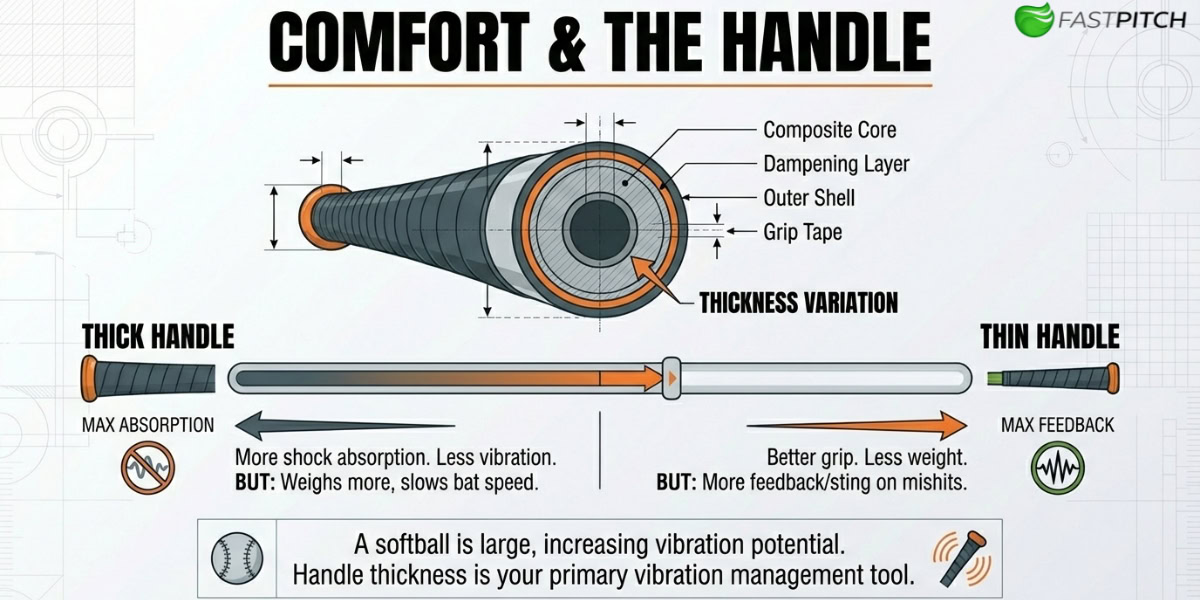
The handle has a great role in how comfortably you can hit. The handle is defined by its thickness and grip. Having a firm grip is important, for safety as well as optimal hitting. A softball is much larger than a baseball, so the chance for uncomfortable hand vibrations is greatly increased. A thicker handle reduces these vibrations, but it weighs more and can slow down the bat speed.
Balanced vs. End-Loaded Fastpitch Softball Bats
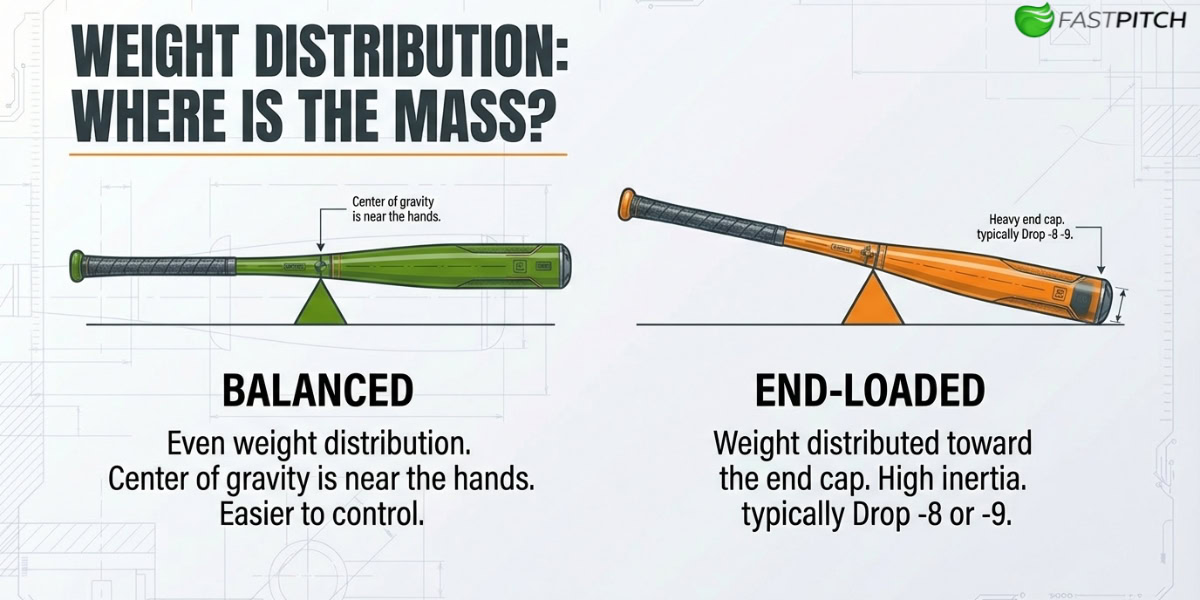
Bats with a smaller drop (-9, -8), or a smaller length to weight ratio, are generally considered end-loaded bats. The weight is distributed more towards the end of the bat, making it a bit heavier to swing. Many players tend to choose a balanced, lighter bat because they think they will be able to swing better. But that doesn’t always have to be the case. However, end-loaded softball bats for fastpitch can have many advantages.
Sometimes two bats with the same actual weight might feel different when they are swung. This has to do with the distribution of weight. The “swing weight” is defined by something called moment of inertia, which depends both on the total weight and the balance point. The end-loaded bats are initially harder to swing and control, but give much more power on impact, sending the ball further.
The bat with weight distributed towards the end of the barrel may not be good for beginners who have not developed strength and quick swing speed. For stronger power hitters, this type of bat has many advantages. The “top-heavy” bats require refined hitting skills because if you hit the ball just right, it goes a long way; if you don’t hit it perfectly, you foul it off or pop it up.
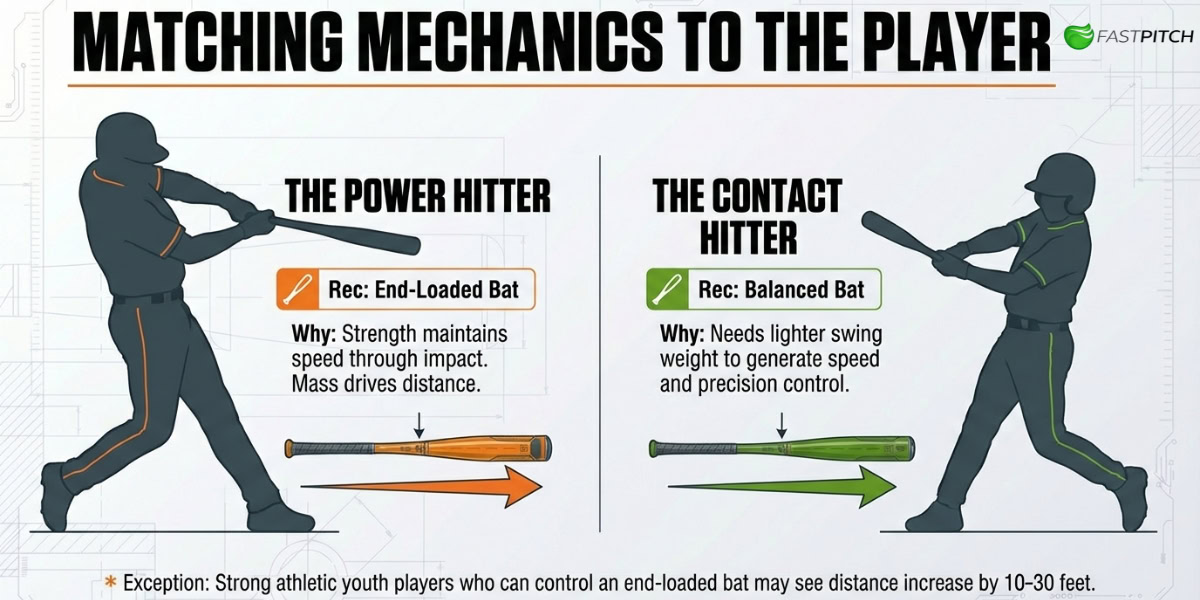
If you are tall and strong, the end load will help you keep your speed up on impact. After contact, speed can actually increase using an end-loaded bat, or at least stay the same and not decrease as much as a balanced bat does because the weight distribution keeps the inertia.
Choosing a balanced bat is only half of it — understanding what makes a contact hitter’s swing work will help you get the most from whichever bat you choose.
Youth fastpitch players need lighter swing weight so they can achieve more power at the plate. For them the balanced bat might be the best solution. But if a young player is strong and athletic enough to control the speed, then the extra power can translate into another 10 to 30 feet or more to the ball distance.
Have in mind that regulations are different form one league to another and you should check them before making a purchase, since USSSA bats may not be allowed in ASA play, and vice-versa. There are bats that have dual stamp and those are allowed in leagues of both associations.
Finally, you should know that choosing the right fast pitch bat is very individual. Ray Demarini used to say that for a softball player the perfect bat weight was 28oz. That may be right, but the real truth is that the perfect bat is the one you feel most comfortable with and you can use for a long time. You can browse though our selection of best fastpitch softball bats and read the reviews to help you with your choice.
Are you struggling to locate the appropriate bat? Utilize our bat finder to assist you in discovering the ideal option for your needs.
We have also reviewed the most popular softball gloves to help you in search for the best ones for you. Please note that we have tried to be as unbiased as possible, but the reviews are somewhat reflection of our personal opinions. If you have any feedback, we would like to hear from you.
Fastpitch Softball Bat FAQs
What factors should I consider when choosing a fastpitch bat?
When selecting a bat, consider your hitting style, strength, league rules, and comfort with swing weight. Balanced bats are easier to control for contact hitters, while end-loaded bats provide more power for strong hitters. The bat material—composite, alloy, or hybrid—also affects performance and feel.
How does the length of a fastpitch bat affect performance?
A longer bat increases reach and potential power, but it can be harder to control, especially for younger or less experienced hitters. Shorter bats are easier to swing quickly, offering better bat control and quicker reaction times at the plate.
What is the difference between composite and alloy bats?
Composite bats are made from layered materials that allow the barrel to flex and compress, providing a larger sweet spot and better performance once broken in. Alloy bats are solid metal, offer consistent performance immediately, and are often more durable, especially in colder conditions.
Do I need to break in a composite bat?
Yes. Most composite bats need 100–200 hits to reach their full performance potential. Breaking in a bat gradually increases the trampoline effect of the barrel, improving exit velocity and sweet spot responsiveness over time.
How do I properly break in a composite fastpitch bat?
Start with controlled swings at moderate power, rotate the barrel after every few hits, and gradually increase swing speed. Avoid hitting excessively hard from the start, as this can damage the barrel. Monitor the bat’s feel; once it feels livelier and responsive, it’s ready for full performance swings.
What does “drop weight” mean in fastpitch bats?
Drop weight is the difference between the bat’s length in inches and its weight in ounces. For example, a 32-inch bat that weighs 22 ounces has a drop weight of -10. Lighter drop weights are easier to swing, while heavier ones provide more power but require stronger mechanics.
How long do fastpitch bats typically last?
The lifespan depends on the material, frequency of use, and care. Alloy bats can last several seasons with proper care, while composite bats may need replacement sooner, especially if used heavily or in competitive play. Proper storage and avoiding temperature extremes can extend bat life.
Can I use the same bat for different leagues?
Not always. Bats must meet league certification rules. USSSA, ASA, NSA, and other leagues have different performance standards. Always check your league’s certification stamp before purchasing or using a bat in official games.
How can I reduce sting on mishits?
Some bats feature vibration reduction technologies, such as specialized end caps or connection systems. Using a bat with these features and practicing proper swing mechanics can reduce hand sting and improve comfort on off-center hits.
What is the ideal bat for younger players?
For youth players, lighter, balanced bats are ideal because they allow quicker swings and better control. Length should be proportional to the player’s height and arm length, ensuring they can maintain a smooth, controlled swing throughout the game.
How do I maintain my fastpitch bat for best performance?
Store your bat at room temperature and avoid leaving it in cars or garages. Keep it clean, inspect for cracks or dents, and rotate the barrel during break-in for composite bats. Proper maintenance ensures maximum performance and longer lifespan.
Best Brands for Softball Bats
Softball bat technology moves fast. What was considered high-performance two seasons ago is standard today — and the brands driving that progress are worth knowing before you spend $300–$500 on a new bat.
Here’s a breakdown of the manufacturers who consistently produce competitive-level fastpitch equipment.

Easton has been one of the most influential names in fastpitch for decades. Their Ghost line remains a benchmark in the sport — the Ghost Advanced and Ghost Unlimited are staples in high school and travel ball lineups, known for a large sweet spot and strong barrel performance. Power hitters gravitate toward the end-loaded models; contact players tend to prefer the balanced drop weights.

Louisville Slugger brings over 120 years of bat-making heritage to the diamond. The LXT has long been a go-to for balanced, forgiving performance, while the newly released Kryo — the official successor to the beloved Meta — raises the bar further with its GO-EX1 Barrel System and the largest sweet spot ever on a Louisville Slugger fastpitch bat.

DeMarini grew from an underdog into one of the most trusted names in competitive fastpitch. The CF series is the cornerstone of their lineup — a technically sound two-piece composite built for contact hitters who want consistent barrel performance season after season.

Rawlings — founded in 1887 — has steadily built its fastpitch credibility. The Mantra series is now a legitimate contender at the high school and college level, favored by players who want a balanced swing weight and proven composite performance Scheels. It’s also the bat of choice for the Oklahoma Sooners — four-time back-to-back NCAA National Champions.
PRODUCT RECOMMENDATION
Louisville Slugger Kryo
The 2026 Louisville Slugger Kryo is the most complete fastpitch bat on the market right now. A GO-EX1 barrel that gets hotter with use, 80.2 mph exit speeds, and a balanced swing weight that generates real bat speed — at $450, it’s a well-justified investment for serious players.