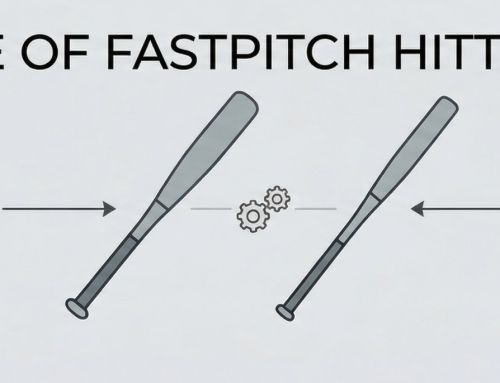
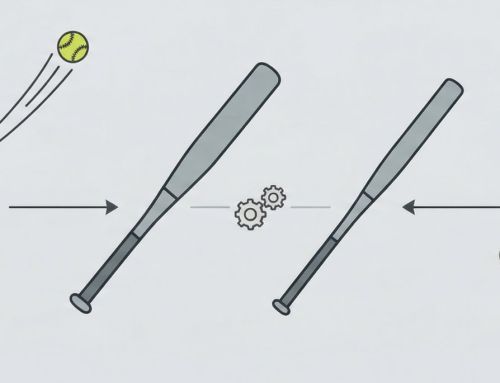
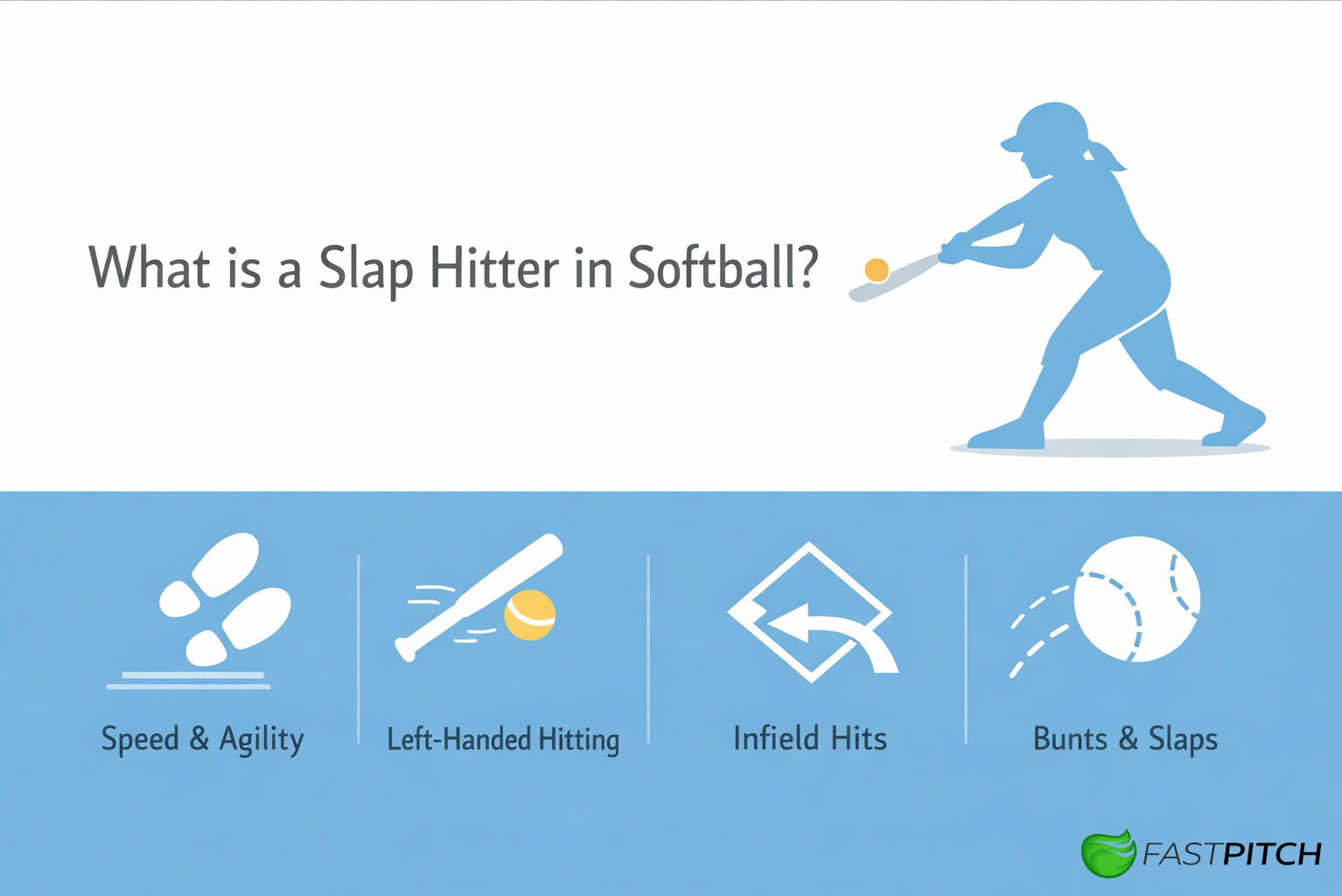
A slap hitter in softball is usually a left-handed batter who makes controlled contact with the ball while moving toward first base, using speed and bat control to place the ball on the ground and reach base safely.
Instead of swinging for power, a slap hitter focuses on:
-
Quick contact
-
Strategic ball placement
-
Forcing defensive pressure
-
Beating throws with speed
Slap hitting is most common in fastpitch softball and is designed to disrupt infield defense.
Why Slap Hitters Are So Valuable
In fastpitch softball, the game is faster and more defense-driven than baseball. Because of this:
• Fielders have less reaction time
• Speed disrupts infield rhythm
• Defensive pressure creates errors
A skilled slap hitter turns routine ground balls into bang-bang plays. Even a slight hesitation from the third baseman or shortstop can mean an infield single.
Slap hitters often:
• Lead off in the batting order
• Spark rallies
• Pressure defenses into mistakes
They are momentum players.
How Slapping Works (Mechanics Explained)
Slapping is not bunting, and it’s not a full swing.
It’s a controlled, moving contact technique.
Here’s what happens mechanically:
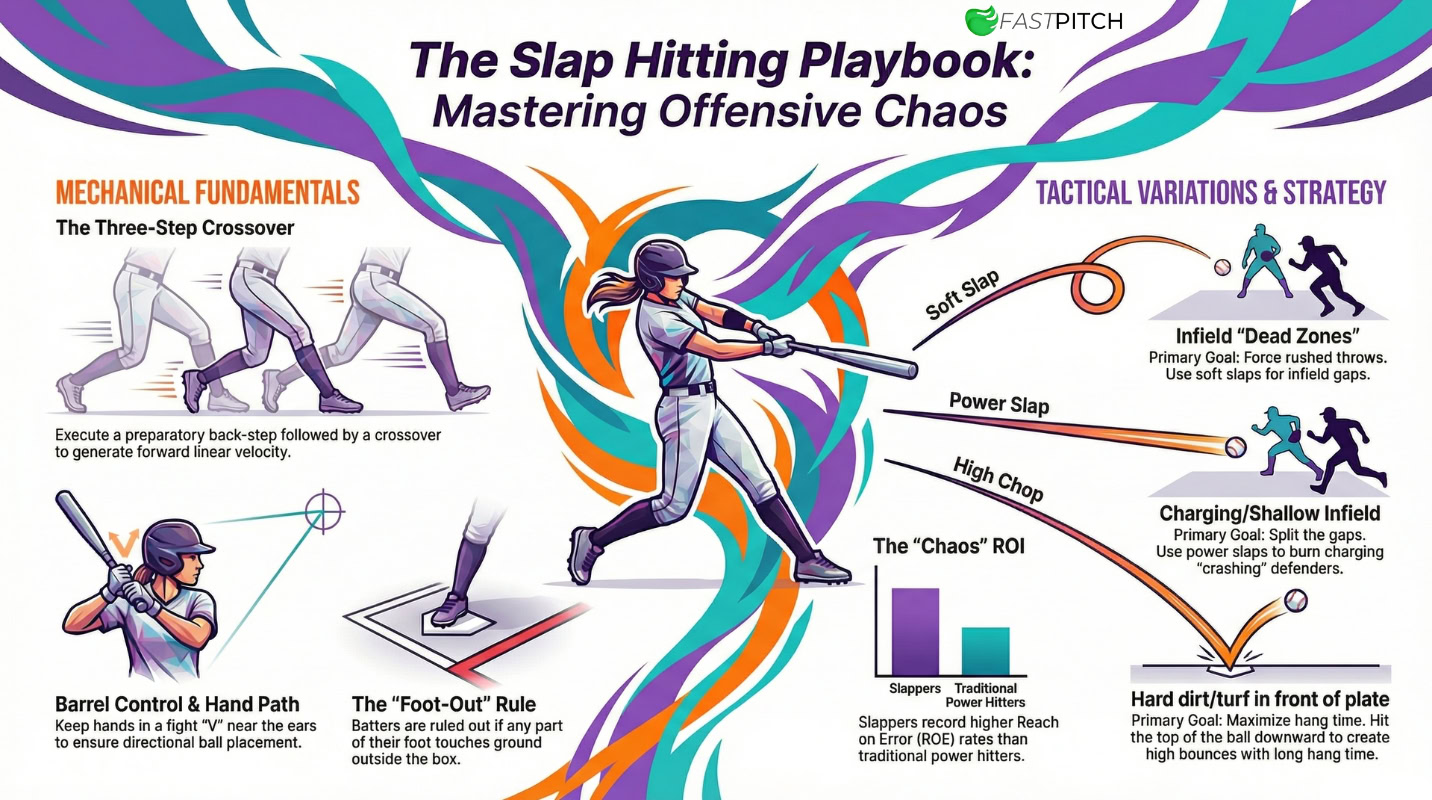
1. The hitter starts at the back of the batter’s box.
2. As the pitcher releases the ball, the hitter begins forward movement.
3. The hitter crosses over with the back foot.
4. The swing happens while the body is moving toward first base.
5. Contact is made with a short, controlled motion.
The key elements are:
• Timing
• Bat control
• Speed
• Body balance
The goal is usually to hit the ball:
• On the ground
• Between the pitcher and shortstop
• Toward third base
• Or softly into defensive gaps
Slap Hitting vs Bunting
Many beginners confuse slapping with bunting.
Here’s the difference:
Bunting
• Bat is held still.
• The goal is to deaden the ball.
• Minimal swing motion.
Slapping
• Involves a short swing.
• The hitter is moving through the box.
• More aggressive than bunting.
• Can generate slightly more speed off the bat.
Slapping is more dynamic and harder to defend than a standard bunt.
Types of Slap Hits
1. Soft Slap
A controlled ground ball placed strategically in front of the defense.
2. Power Slap
A more aggressive version where the hitter drives the ball into gaps while still moving.
3. Drag Slap
The hitter keeps the ball extremely soft and forces the defense to charge quickly.
Each requires precise timing and strong situational awareness.
| Name | Type | Description | Primary Purpose | Required Equipment | Key Mechanics | Expected Outcome |
|---|---|---|---|---|---|---|
| Soft Slap | Hitting Technique | A lightly executed hit using a relaxed grip and short, controlled swing to tap the ball into infield dead zones. | Place the ball just beyond the reach of infielders and force rushed, off-balance throws. | Bat | Relaxed grip, short controlled swing, bat kept almost parallel to the ground. | Reach base safely or advance runners by causing defensive chaos. |
| Power Slap | Hitting Technique | A full, aggressive swing performed while moving forward to drive the ball into the shallow outfield or deep infield gaps. | Drive the ball past charging infielders who are playing shallow. | Bat | Full controlled swing, aggressive hand extension, well-timed crossover step. | A line drive or hard hit that reaches the green or splits infield gaps. |
| Chop Slap / High Chop | Hitting Technique | The batter chops down on the top half of the ball to drive it into the ground immediately in front of the plate. | Create a high bounce with long hang time, making it difficult for infielders to field cleanly. | Bat | Downward bat angle, hitting the top half of the ball, stopping bat at contact point. | A high bouncer that allows the speedy runner to reach 1st base before the ball is fielded. |
| Drag Bunt | Hitting Technique | The batter angles the bat and gently pushes the ball into play while already sprinting toward 1st base. | Utilize surprise and pure speed to reach base, especially against flat-footed third basemen. | Bat | Bat held at an angle, explosive movement out of the box at contact. | A single placed just a few feet from the plate. |
| Two-Tee Hitting | Practice Drill | A drill where the batter hits balls off tees to master directional hitting, barrel control, and arm extension. | Develop barrel control, arm extension through the strike zone, and directional placement. | Two tees, bat, balls, net or open field. | Smooth controlled swing, maintaining hand path to clear both tees, moving the tee to various plate locations. | Consistent bat control, total plate coverage, and ability to produce line drives or bouncers. |
| Slap Box Drill | Practice Drill | The batter must execute a slap while staying contained within a small box marked by cones in the batter's box. | Improve footwork precision, timing, and maintaining a lateral path. | Cones, bat, balls. | Quick but balanced crossover step, restricted lateral movement. | Better body control and stay-in-the-box discipline. |
| Slap Bunt and Run | Practice Drill | At a signal, the batter drag bunts the ball and sprints aggressively to 1st base. | Develop the explosive transition from hitting to sprinting. | Bases, bat, balls, coach or pitcher. | Pushing off aggressively with the back foot, immediate arm pump for momentum. | Reduced home-to-first base running time. |
| Simple Step Slapping Drill | Practice Drill | Batter practices the crossover step focusing on keeping the heel directed toward the pitcher. | Keep the crossover step inside the box and prevent early bailing out. | Tee, cone or bucket, bat. | Heel to the pitcher on crossover, front shoulder tucked in. | Staying inside the zone or box during contact to avoid being called out. |
| Timing Drill | Practice Drill | Coach soft tosses balls and calls out where the batter should hit (bouncer or line drive). | Develop proper timing and footwork in coordination with a moving ball. | Bat, balls, pitching screen, home plate. | Moving toward the pitcher as the ball is tossed, disciplined foot path. | Improved ability to react to pitch location while maintaining slapper footwork. |
| Bottom Hand Ground Ball Drill | Practice Drill | Using only the bottom hand to hit ground balls toward the shortstop. | Develop barrel control and ensure the hands lead to the ball. | Tee-ball bat (or choked up regular bat), wiffle ball. | Choke up on bat, left foot pointing to shortstop, barrel finishes pointing to left side. | Improved hand path and ability to place ground balls to the left side. |
| Rapid Fire Soft Toss | Practice Drill | Coach tosses 3 balls quickly; batter hits 2 grounders then 1 power slap. | Work on balance, core strength, and quick transition between slap types. | Balls, bat. | Core tight, hands lead the barrel, rapid reset between swings. | Increased core stability and ability to handle rapid defensive pressure. |
Why Most Slap Hitters Are Left-Handed
Left-handed hitters are closer to first base after contact. When slapping:
• They are already moving forward.
• Their momentum carries them out of the box.
• They shave crucial fractions of a second off the run to first.
That small advantage can turn routine grounders into hits.
Right-handed players can slap, but it’s far less common.
What Makes a Great Slap Hitter?
Elite slap hitters usually have:
• Explosive first-step speed
• Excellent bat control
• Strong pitch recognition
• High softball IQ
• Confidence under pressure
They don’t rely on power.
They rely on precision and speed.
When Is Slapping Used?
Slapping is often used when:
• There are runners on base
• The defense is playing deep
• The hitter has a speed advantage
• The goal is to create chaos on the field
Coaches love slap hitters because they force defensive adjustments.
When a team must bring in the infield, gaps open up for power hitters later in the lineup.
How to Teach Slap Hitting (Basic Progression)
For youth players learning to slap:
1. Start with footwork drills without a ball.
2. Add soft toss while practicing movement timing.
3. Focus on hitting the top half of the ball to keep it on the ground.
4. Emphasize sprinting through first base every time.
Slapping is about repetition and rhythm.
Is Slap Hitting Only for Fastpitch?
Slapping is most common in fastpitch softball due to:
• Shorter reaction times
• Strong defensive pitching
• Speed-based offensive strategies
It is rarely used in slowpitch softball because the defensive setup and pitch arc reduce its effectiveness.
Final Thoughts
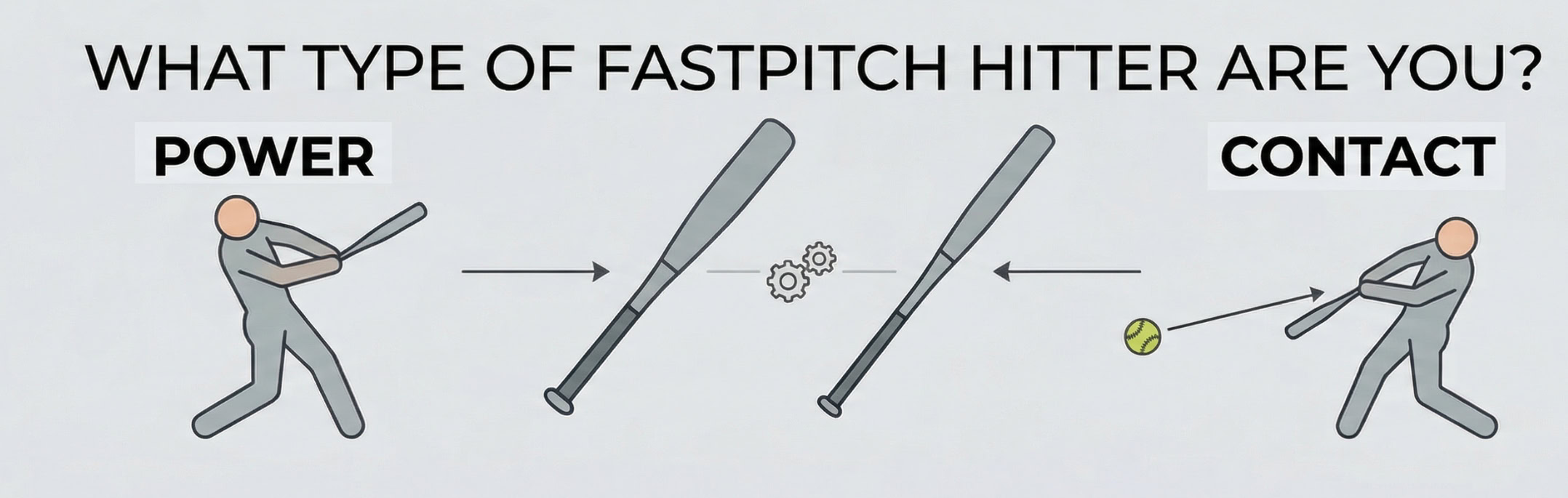
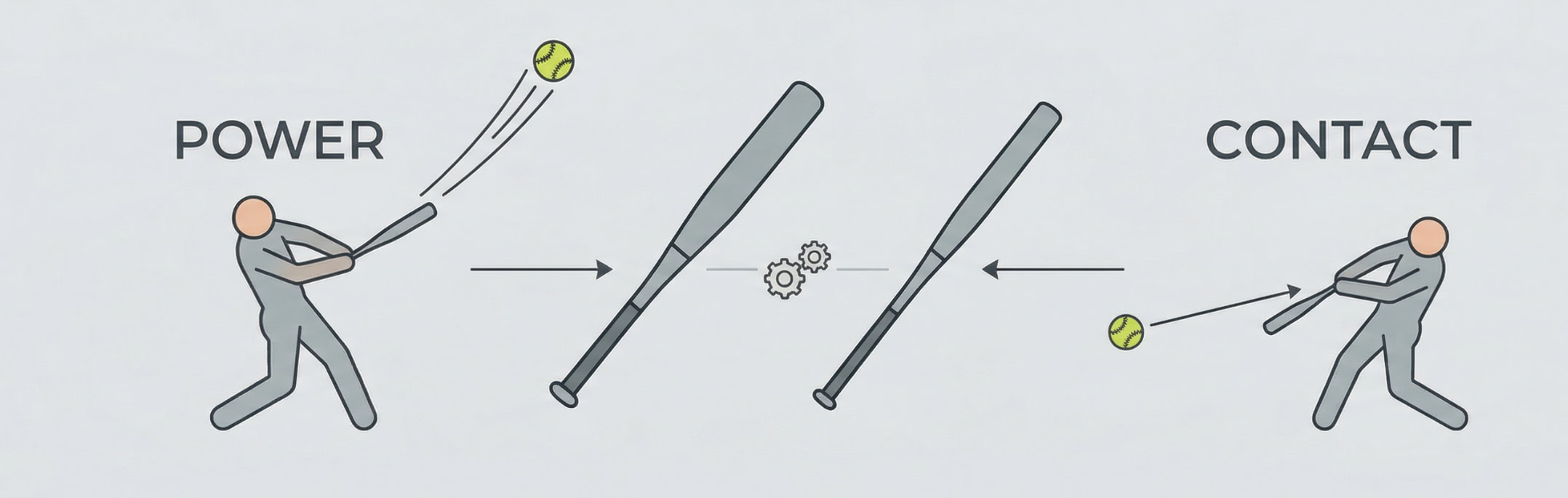
A slap hitter in softball is not a power hitter.
They are a tactical weapon.
By combining movement, bat control, and speed, slap hitters create pressure that forces defensive mistakes and changes the rhythm of the game.
In fastpitch softball especially, a strong slap hitter can completely shift momentum — not by hitting home runs, but by making the defense uncomfortable every single inning.