
What is the Best Softball Glove?
The best softball glove is a position-matched, properly sized glove built from full-grain or premium steerhide leather that forms a reliable pocket through correct break-in and holds its structure across a full competitive season. For most fastpitch players, the right answer is the Rawlings Liberty Advanced for infielders, the Wilson A2000 for outfielders, or the Mizuno MVP Prime for players on a budget.
Quick Takeaways
-
A wrong-position glove creates a mechanical disadvantage that no amount of skill overcomes. Position comes first, every time.
-
Middle infielders should never use a glove larger than 12.25". Pocket depth is the enemy of transfer speed at shortstop and second base.
-
Premium steerhide gloves like the Heart of the Hide and A2000 need 6–10 weeks of proper conditioning before they reach peak performance. Start before the season, not during it.
-
Pitchers have one non-negotiable: closed webbing. Any open web tells the batter what pitch is coming before the ball leaves your hand.
-
The most expensive glove is not automatically the right one. A correctly fitted $120 glove outperforms a $300 glove sized for the wrong position.
Coach's Warning
The Most Expensive Mistakes Fastpitch Players Make
These five wrong-position combinations show up every season. Each one creates a defensive disadvantage that no amount of skill can fully compensate for.
-
Shortstop + 12.75″ Outfield Glove
The deep pocket adds friction on every transfer. You lose a quarter-second getting the ball to your throwing hand — the exact margin that turns a routine 6-3 putout into an infield single at the high school level.
-
Pitcher + Open Web Glove
The batter can see your grip before you release the pitch. A change-up read at the high school level gives a hitter a full timing adjustment. This is the most correctable mistake on this list — just change the glove.
-
Youth Player + Oversized Adult Glove
The player compensates by using both hands to close the glove, developing a two-handed catching habit. That mechanical pattern is genuinely difficult to unlearn once it sets in. Buy for the current hand size, not next year's.
-
Outfielder + 12″ Infield Glove
The shallow pocket creates fly ball insecurity. Balls caught near the edge of the pocket pop out on contact. Outfielders need 12.5″–13″ with a deep pocket. Using an infield glove in the outfield is a range and security problem on every play.
-
Premium Glove + Rushed Break-In
A Heart of the Hide or A2000 broken in too fast — too much conditioner, full-game intensity in week one — sets a misshapen pocket that permanent conditioning cannot fix. That's a $280 mistake. Premium leather needs 6–10 weeks. Start before the season.
The Short Version
The best fastpitch softball glove is always position-specific first, budget second. This guide covers 10 gloves reviewed across every position, a webbing type breakdown coaches actually use, a sizing table by age and position, a leather grade comparison, and a step-by-step break-in method drawn from years of competitive coaching. If you want one recommendation: the Rawlings Liberty Advanced is the best all-around fastpitch softball glove for infielders in 2026.
- What is the Best Softball Glove?
- Why Getting the Glove Decision Right Is More Important Than Most Players Realize
- What Competitors Get Wrong About Fastpitch Softball Gloves
- Top 10 Best Rated Softball Gloves (2026)
- 1. Rawlings Liberty Advanced — Best Fastpitch Infield Softball Glove
- 2. Wilson A2000 — Best Fastpitch Outfield Softball Glove
- 3. Mizuno MVP Prime — Best Budget Fastpitch Softball Glove for Pitchers and Infielders
- 4. Nokona X2 Buckaroo — Best Handmade Fastpitch Softball Glove
- 5. Rawlings Heart of the Hide — Best Fastpitch Glove for Elite Players
- 6. Easton Professional Collection Signature Series — Best Fastpitch Infield Glove Under $225
- 7. Easton Ghost Tournament Elite — Best Youth Fastpitch Softball Glove (Advanced Players)
- 8. Wilson Aura — Best Budget Fastpitch Softball Glove
- 9. Rawlings Shut Out — Best Youth Fastpitch Softball Glove (Beginner/Recreational)
- 10. Mizuno Prime Elite — Best Fastpitch Outfield Glove for Experienced Players
- How to Choose the Right Fastpitch Softball Glove by Position
- Fastpitch Softball Glove Webbing Types: What Coaches Actually Use and Why
- Fastpitch Softball Glove Sizing Guide
- Softball Glove Leather Grades: What You Are Actually Paying For
- How to Break In a Fastpitch Softball Glove the Right Way
- How to Care for Your Fastpitch Softball Glove
- Frequently Asked Questions:
Fastpitch Softball Gloves- What is the best softball glove for high school players?
- What is the difference between a fastpitch softball glove and a baseball glove?
- How do I know what size softball glove I need?
- Can I use the same glove for multiple positions?
- Why can't pitchers use any glove they want?
- How do I break in a softball glove fast without ruining it?
- Best Brands for Fastpitch Softball Gloves
- Final Thoughts — Choose for Your Position, Not for the Brand
Why Getting the Glove Decision Right Is More Important Than Most Players Realize
Here’s what two decades of coaching have taught me about softball gloves: the glove gets blamed last, but it should be examined first.
Every season, I watch talented infielders fight their equipment without realizing it. A shortstop using a 12.75″ outfield glove wonders why her transfer times feel slow compared to her teammates. A second baseman using a deep-pocket glove catches the ball just fine but loses a quarter-second getting it to her throwing hand. Those quarter-seconds decide games at the high school and travel ball level.
The brands, the aesthetics, the price tags — none of that matters if the glove doesn’t match the position. And the break-in process matters more than most players realize, because even a correctly sized premium glove will underperform if it’s rushed into competitive play before the leather has formed a reliable pocket.
This guide is built from position-level experience, not spec sheets. We’ll cover the 10 best fastpitch softball gloves for 2026, organized by position and use case, webbing types by role, sizing by age and position, leather grades, break-in method, and care. Everything in one place, with the coaching context that most buying guides simply don’t provide.
What Competitors Get Wrong About Fastpitch Softball Gloves
Before we get into the recommendations, it’s worth addressing what most guides in this space are missing — because understanding the gaps is part of making a smarter decision.
Most fastpitch glove guides treat position as a footnote. They’ll list a glove as “infield or outfield” in a single line and move on. What they don’t explain is why that distinction changes the mechanics of every defensive play you make. Pocket depth directly affects transfer time. Web type determines whether a batter reads your pitch grip or not. Back design affects wrist mobility on range of motion. These are not preferences — they are functional performance variables that coaching experience clarifies and spec lists don’t.
The second gap is the break-in context. Most guides mention that premium gloves “require a longer break-in period.” None of them explain that rushing break-in on a Heart of the Hide or A2000 produces a glove that never reaches its performance ceiling — because the leather sets in a misshapen pocket if you put it into full game intensity before it’s ready. That’s a $280 mistake.
The third gap is hand fit specific to female athletes. Fastpitch gloves are designed with narrower wrist openings and tighter finger stalls for female hands. Recommending a baseball glove — even a great one — to a fastpitch player creates a fit problem that undermines every other advantage the glove offers.
We’re not making those mistakes here.
Top 10 Best Rated Softball Gloves (2026)
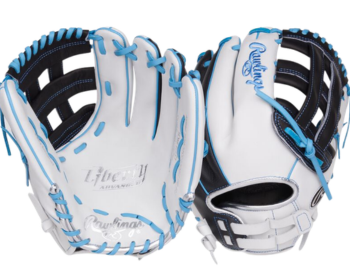
Rawlings
Liberty Advanced
Full-grain oil-treated leather arriving 70% broken in from the factory. Purpose-built for female athletes' hands with a narrower wrist opening, tighter finger stalls, and a weight that stays comfortable through late-game innings.
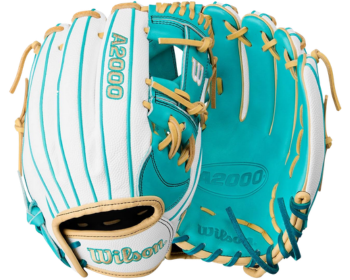
Wilson
A2000 Fastpitch Glove
Pro Stock leather that forms precisely to the player's hand over time and holds that shape through years of competitive play. The outfield standard at the high school and college level, built for durability and multi-season performance.
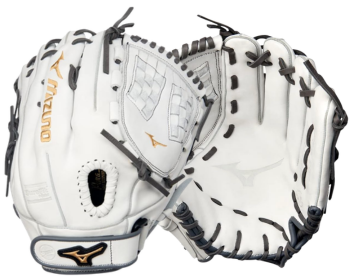
1. Rawlings Liberty Advanced — Best Fastpitch Infield Softball Glove
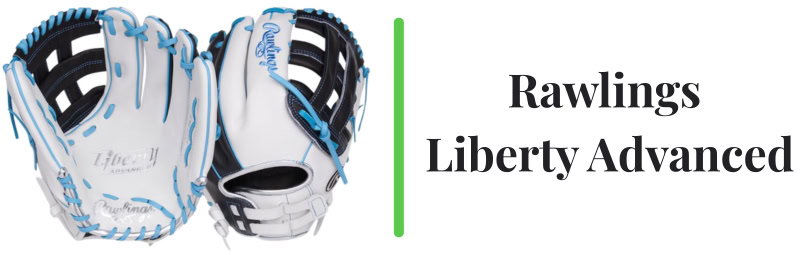
The Liberty Advanced is the standard at the high school infield for a reason that goes beyond brand recognition. It’s purpose-built for female athletes’ hands: narrower wrist opening, tighter finger stalls, and a weight distribution that stays comfortable through late-game innings when fatigue is a real factor. That last point matters more than players give it credit for — a glove that feels heavy by the seventh inning costs you on ground balls you’d normally field cleanly.
The full-grain, oil-treated leather arrives from the factory about 70% broken in. Competitive players can get this game-ready in days, not weeks. That makes it the single best option for players approaching a season with limited prep time. The Poron XRD palm and index finger padding handles impact from hard-hit balls without adding bulk that slows hand speed.
The single post, double bar web gives middle infielders clear sightlines on incoming ground balls and produces a clean, reliable cup on contact — which is exactly what you want when you need a fast, confident transfer to your throwing hand.
What this Rawlings glove does better than most guides acknowledge: it doesn’t just fit female hands generically, it fits them specifically. The finger stall geometry and wrist construction are designed around the anatomical differences in female hand proportions. That’s a design distinction that matters on every single catch.
Purpose-built for the infield. It won't give outfielders the deep pocket and extended reach they need. Don't misuse it.
Competitive high school and travel ball infielders who need game-ready leather without a two-month conditioning commitment.
Outfielders needing a 13″ pattern, or players on a tight budget who need something under $100.
2. Wilson A2000 — Best Fastpitch Outfield Softball Glove
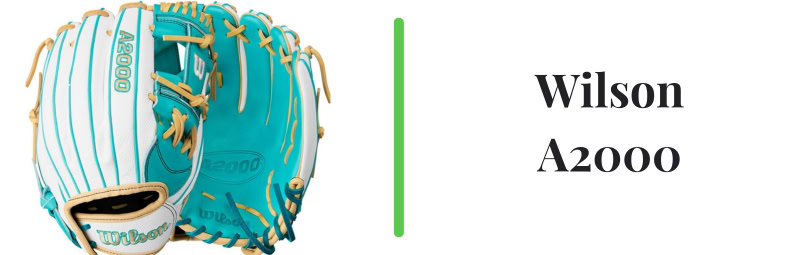
The A2000 earns its reputation through leather quality and structural durability, not through marketing weight. Pro Stock leather forms precisely to the player’s hand over time and holds that shape through years of competitive play. Players who break this glove in correctly and maintain it properly often use it for three or four seasons, which divides the premium price into a cost per season that’s actually competitive with mid-range alternatives that wear out annually.
Wilson’s SuperSkin panels, available on select A2000 models, reduce overall weight while increasing leather durability. For outfielders making hundreds of catches per season across different weather conditions, that durability matters. The A2000 fastpitch patterns run deeper than most gloves at this price point, which is the critical feature for outfielders who need to secure fly balls at full extension before loading for a long throw.
Spin Control Technology on newer models adds a micro-textured grip surface in the palm. When an outfielder is tracking a ball running away from her and catches it near the top of the pocket at high velocity, ball rotation can cause drops that look like errors but are actually grip failures. The palm texture reduces that risk.
Here’s the coaching context most guides skip: the A2000 is the right glove for an outfielder who is committed to the process. That means conditioning before the season, gradual intensity ramping, and proper overnight storage with a ball in the pocket. Players who want to open the box and play in week one will be disappointed. Players who invest the time get a glove that defines what a fastpitch outfield glove should feel like.
The Pro Stock leather is firm out of the box and demands a real break-in commitment. Plan 4–6 weeks of conditioning before this glove reaches its performance ceiling. Impatience will ruin it.
High school and college-level outfielders who are committed to the break-in process and want a multi-season glove.
Players who need a glove ready for a tournament in two weeks, or players who won't invest time in maintenance.
3. Mizuno MVP Prime — Best Budget Fastpitch Softball Glove for Pitchers and Infielders
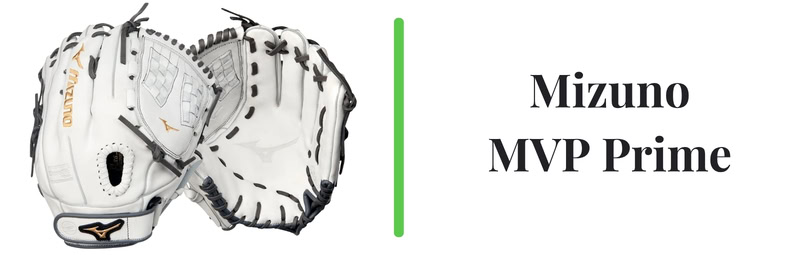
The MVP Prime is the most consistently underrated glove in the fastpitch market. Mizuno’s Handcrafted Bio Soft Leather produces a professional-grade feel that the $80–$130 price range almost never delivers. The center-pocket design guides the pocket to form consistently during break-in, which solves a real problem: cheaper gloves often form a lopsided pocket during break-in because the leather doesn’t have enough structure to develop correctly. The MVP Prime’s construction corrects that tendency.
For pitchers, the closed-web configuration on Mizuno’s pitcher-specific MVP Prime models conceals the grip reliably. I’ve had pitchers at the 14U and 16U level use this glove and report that it fits better than premium options that cost twice as much. That’s not a sales pitch — it’s a hand geometry observation. Mizuno’s fastpitch fit tends to run slightly more snug in the finger stalls than Rawlings or Wilson, which works well for players with longer, narrower hands.
The leather is stiff out of the box and breaks in more slowly than the Liberty Advanced. Don't expect game-ready performance in week one.
Budget-conscious players who want a glove that genuinely improves over time, not one that simply wears out.
Players who need a fast break-in, or players who need an outfield-specific pattern.
4. Nokona X2 Buckaroo — Best Handmade Fastpitch Softball Glove
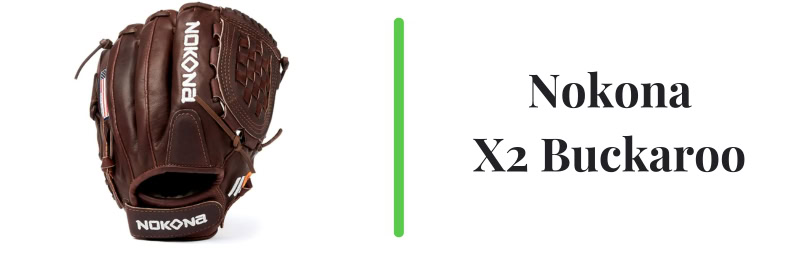
Nokona is an all-American company that makes all-American gloves, and the Nokona X2 Buckaroo is one of the best hand-made gloves you can get. Most players refer to them as the “Cadillac of gloves”, because of their high quality, durability, and the fact they’re 100% USA-made softball gloves.
The two-piece hybrid leather design utilizes the softer kangaroo leather with the harder, tougher steer hide leather that provides a very tight fit.
There are of course a couple of downsides to the and those are the break-in time and the price. The break-in time can be longer because of the stiffness of the leather and they are definitely one of the highest-priced gloves on this list, but that is only because once you break them in properly, they perform amazingly.
If the price was a bit lower, they would be in the top three spots on this list, but you can expect them to be cheaper since they are made from quality leather and have exquisite craftsmanship.
This is a serious glove for serious players who want to step their game up.
The stiffest break-in on this list and the highest price. Neither is a flaw — both are the natural consequence of how it's built. Players without pre-season lead time need to look elsewhere.
Experienced, serious competitive players who want an American-made, handcrafted glove they intend to develop and use for multiple seasons.
Players who need a fast or moderate break-in timeline, or anyone approaching a season with less than two months of prep time.
5. Rawlings Heart of the Hide — Best Fastpitch Glove for Elite Players
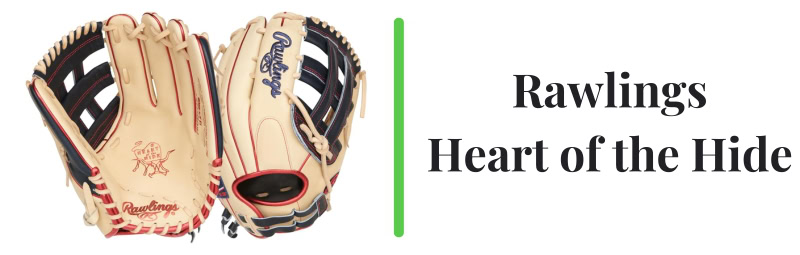
The Heart of the Hide is cut from the top 5% of all Rawlings hides — a specification that is meaningful in the leather world. The steerhide at this grade is denser, more durable, and breaks in to a more structured pocket than any full-grain option found in mid-range gloves. Players who maintain this glove correctly over a 6–10 week conditioning process end up with a pocket that holds its shape over years of high-level competitive use.
Zero shock palm padding provides direct feedback on every catch. Players who have only used padded gloves will notice the difference immediately: HOH feedback tells you exactly where the ball hit in the pocket, which is actually useful fielding information that padded gloves filter out. The adjustable pull-strap closure dials in fit across different hand sizes without requiring a heat-mold process.
The fastpitch-specific HOH patterns maintain the narrow wrist opening designed for female athletes. This is Rawlings acknowledging that a truly position-appropriate glove for fastpitch requires female-specific fit engineering, not just a standard baseball pattern in white leather.
Among the longest break-ins on this list. Conditioning it correctly requires glove oil, mallet work, and gradual pocket formation over 6–10 weeks. Rushing produces a stiff, uncomfortable glove that never reaches its potential.
Advanced high school and college players who are planning to invest time in a premium glove and use it for multiple seasons.
Players who need a glove ready immediately, or youth players who will outgrow it before the break-in is complete.
6. Easton Professional Collection Signature Series — Best Fastpitch Infield Glove Under $225
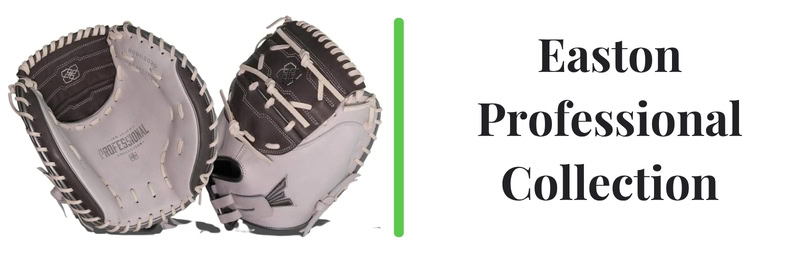
Easton’s Professional Collection is the brand’s most serious attempt at the competitive fastpitch market, and the Signature Series delivers on that intent. Full-grain leather with professional-style welting and a construction that accelerates pocket formation gives this glove a performance-to-price ratio that competes seriously with options at $100 more.
The web configurations are well-chosen for position: closed-web options for pitchers who need grip concealment, basket web, and I-web options for middle infielders who need transfer speed. The colorway options are genuinely distinctive — this is the glove for players who care about how their equipment looks on the field, because the aesthetics are a level above what the price typically suggests.
Easton doesn't have the multi-decade durability track record of Rawlings or Wilson at this price tier. Expect 2–3 seasons of strong performance rather than the multi-year lifespan of the A2000 or HOH.
Infielders and pitchers who want genuine competitive performance and premium aesthetics without the Heart of the Hide price tag.
Players who prioritize long-term durability above all else, or outfielders who need a larger, deeper-pocket pattern.
7. Easton Ghost Tournament Elite — Best Youth Fastpitch Softball Glove (Advanced Players)
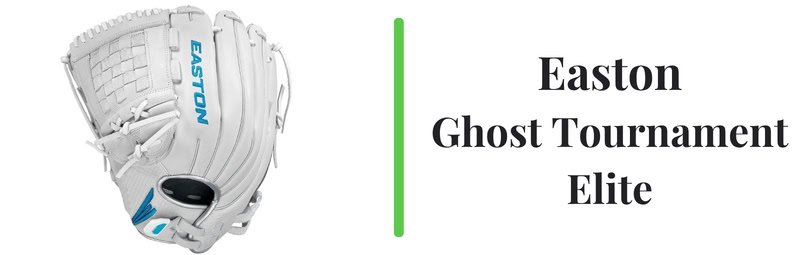
The Ghost Tournament Elite is designed around one principle that most youth gloves ignore: younger players’ hands are proportionally different from adult hands, not just smaller. The wrist opening is narrower, the finger stalls are sized for developing hand strength, and the Flex Notch Closure System allows easier glove closure for players who are still building the grip strength that premium leather demands.
For coaches working with 10–14-year-old players, this matters practically. A young player fighting an oversized or improperly tensioned glove develops compensatory mechanics — she starts guiding her hands to the ball instead of letting the glove work correctly. The Easton Ghost Tournament Elite is sized and tensioned to support correct mechanics from the start.
The microfiber lining adds enough durability for multiple seasons of travel ball use, and the construction holds up to the kind of punishment younger players put equipment through.
Microfiber construction won't develop the same premium feel over time as full-grain leather. That's the right tradeoff at this level — prioritize correct fit and usability now over leather development the player won't notice.
Competitive youth players 10–14 who need a properly fitted, position-specific glove without the mechanics-fighting that comes with adult-fit equipment.
High school players who have outgrown youth sizing, or players who want a glove that develops genuine leather quality over multiple seasons.
8. Wilson Aura — Best Budget Fastpitch Softball Glove
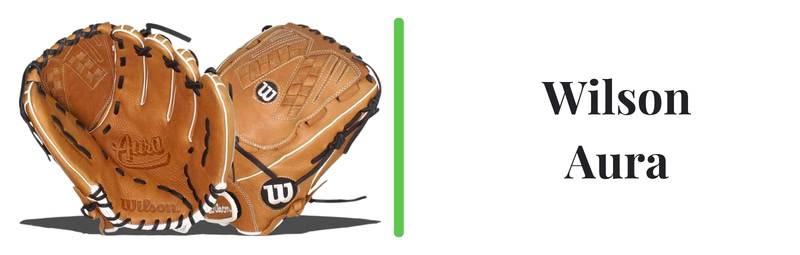
The Wilson Aura is Wilson’s entry point into competitive fastpitch, and it’s a more competent option than its price suggests. Full-grain leather, an easy break-in timeline, and Wilson’s ergonomic fastpitch patterns make this a legitimate upgrade from recreational equipment for players entering travel ball for the first time.
The palm padding is reliable, the wrist closure holds its position through extended use, and the leather develops a functional pocket with consistent conditioning. It won’t form the deep, personalized pocket that premium leather produces over multiple seasons, but for a player still determining her primary position, still growing into her hands, or still figuring out whether she wants to make a $300 commitment — the Aura delivers real defensive performance without the risk.
The leather won't develop the same structured premium pocket as the A2000. At this price point, expect 1–2 solid competitive seasons before the leather begins to soften unevenly.
High school players just entering competitive travel ball who need reliable gear without a premium price commitment.
Players who want a multi-season glove that develops over time, or anyone ready to commit to a premium leather upgrade.
9. Rawlings Shut Out — Best Youth Fastpitch Softball Glove (Beginner/Recreational)
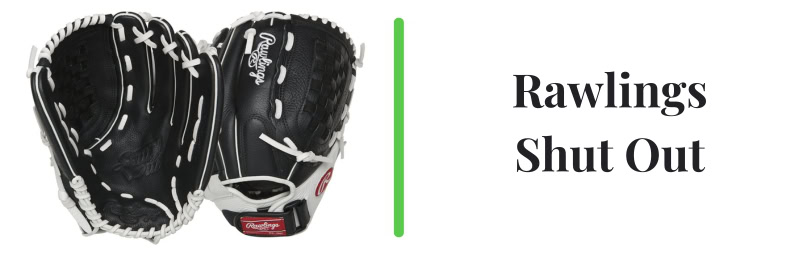
The Shut Out is an honest piece of equipment for what it is: an entry-level fastpitch glove for young players who are developing fielding fundamentals. Full-grain leather at a price point that doesn’t require a parent to make a significant commitment before a player has committed to the sport. Easy break-in gets it functional within days.
From a coaching perspective, the most important thing about this glove is that it’s properly structured. Too many parents default to the cheapest possible option, which, at the lowest end of the market, produces gloves that don’t develop any reliable pocket shape at all. The Shut Out is inexpensive, but it’s correctly structured. That distinction matters for early skill development.
This is not a competitive-level glove. As soon as a player is playing consistent travel ball, it's time to upgrade. It will not keep pace with the demands of tournament-level play.
Young players aged 7–12 in recreational or beginner leagues. Parents who want a properly structured glove without over-investing before the player has committed to the sport.
Any player already in travel ball or tournament play. The Easton Ghost Tournament Elite or Wilson Aura are the right next step.
10. Mizuno Prime Elite — Best Fastpitch Outfield Glove for Experienced Players
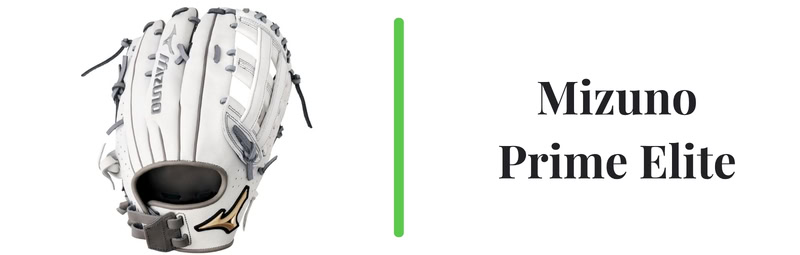
The Prime Elite is Mizuno’s top-tier fastpitch offering and the most credible alternative to the A2000 and Heart of the Hide at the premium outfield level. Professional-grade leather and pro-pattern construction produce a deep, reliable outfield pocket when the glove is broken in correctly. For experienced outfielders who prefer Mizuno’s fit and feel — which tends to run slightly narrower in the finger stalls than comparable Rawlings and Wilson patterns — this is the right choice at this price tier.
The leather quality is genuine. It holds up through heavy outfield use across a full competitive season without softening unevenly, and the pocket maintains its shape through years of play when cared for properly.
Mizuno's premium leather is demanding. Conditioning it quickly risks damaging the pocket before it has set correctly. Begin the process 8–10 weeks before your season opens.
Experienced outfielders at the high school or college level who prefer Mizuno's fit geometry and are willing to invest in a proper break-in.
Players who need an outfield glove ready quickly, or those who prefer the fit and feel of Rawlings or Wilson patterns over Mizuno's narrower finger stalls.
How to Choose the Right Fastpitch Softball Glove by Position
Position is the most important variable in this decision, and it’s the one most buying guides underweight. Here’s what each position actually requires and the coaching rationale behind it — not just the spec list.
Shortstop and Second Base
Middle infielders need the shortest, shallowest-pocket glove they can comfortably control. Transfer speed at shortstop and second base is measured in fractions of a second, and every half-inch of extra pocket depth adds friction to the transfer. I watch this play out in practice consistently: a player who switches from a 12.5″ utility glove to an 11.75″ infield-specific pattern sees immediate improvement in transfer times without changing anything else.
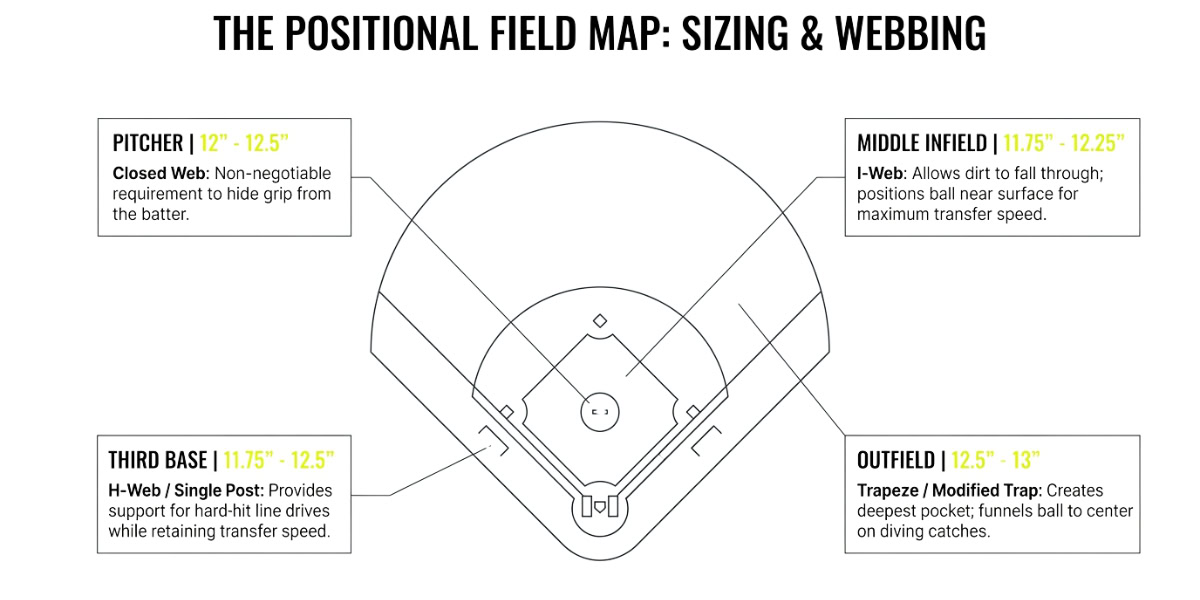
The range for true middle infield is 11.75″–12.25″. Open webbing — I-web or H-web — allows dirt and debris to fall through rather than accumulating in the pocket. Accumulated dirt in a shallow-pocket glove creates unpredictable ball behavior on transfers. This is a detail most guides don’t address because it requires having actually played or coached at this level.
Third Base
Third base is different. The corner infield position absorbs harder-hit balls from shorter distances than any other position on the field. Third basemen benefit from slightly more leather overall — 11.75″–12.5″ — and slightly more palm padding to handle the impact of true line shots. The H-web or single post, double bar configurations work well here because they offer more support than the I-web while still allowing transfers fast enough for the long throw to first.
Outfield
Outfielders need the largest, deepest-pocket glove they can field comfortably — 12.5″–13″. The priority at every outfield position is ball security. A fly ball dropped because the pocket was too shallow is a more consequential error than a half-second slower transfer, because outfield errors almost always allow base advancement.
The most common outfield mistake I see: players using an infield or utility-sized glove because they like the look or because it was what was available. The glove that makes a shortstop efficient creates defensive vulnerability in the outfield.
Pitchers
Pitchers have one non-negotiable requirement that overrides everything else: closed webbing. Any open webbing — I-web, H-web, single post — allows the batter to read the grip before the pitch is released. At the high school and travel ball level, where batters and their coaches are actively watching the pitcher’s hand in the glove, this is a legitimate competitive disadvantage.
The practical closed-web options for pitchers are the two-piece closed web, modified trap, basket web, and trapeze. Size-wise, a pitcher can use an infield-sized glove (12″–12.5″) because she doesn’t need the extended reach that outfield play demands.
Utility and Multi-Position Players
A 12.25″–12.5″ glove is the practical middle ground for players who rotate positions. It’s not perfectly optimized for any single spot, but it’s not a significant disadvantage at any of them. This is the range where coaches who are still evaluating where a young player fits long-term tend to start.
Catcher’s Mitt
Catcher’s mitts are measured by circumference — 32.5″–34″ for adult fastpitch — not by glove length. They carry the most padding on the field and the deepest pocket to handle high-velocity pitching. For detailed catcher’s mitt reviews, see our best fastpitch catcher’s mitt guide.
Fastpitch Softball Glove Webbing Types: What Coaches Actually Use and Why
Webbing is one of the most discussed glove specs and one of the most poorly explained. Here’s the breakdown that coaching experience produces, not just the shape descriptions.
I-Web — The Middle Infield Standard
The I-web’s open, single-vertical-strip structure does two things simultaneously: it allows dirt to fall through the web on ground ball fields, and it positions the ball near the pocket surface for maximum transfer speed. This is why you see I-webs almost exclusively at shortstop and second base at the high school and college level. Any player whose job is to field and throw fast should be on an I-web.
H-Web — The Versatile Dual-Position Option
The H-web’s two-vertical, one-horizontal construction creates more support than the I-web while maintaining the open structure that allows dirt clearance and sun visibility on fly balls. Third basemen who want a bit more leather than the I-web provides, and outfielders who want to track fly balls through the web, are the primary users. The H-web’s versatility makes it the default recommendation for utility players who haven’t yet settled into a primary position.
Closed Web and Basket Web — The Pitcher Requirement
Every pitcher should be on a closed or basket web, no exceptions. The two-piece closed web and basket web eliminate any visual access to the grip through the webbing. Pitchers who use open webs are giving away information on every pitch at a level of competition where that information matters. I’ve corrected this mistake on my own rosters. The fix is as simple as changing the glove.
Modified Trap and Trapeze — The Outfield Depth Options
The trapeze and modified trap create the deepest pockets of any web configuration, which is why they appear primarily on outfield gloves. The trapeze’s leather strap and woven lacing on each side produce a pocket that funnels the ball toward the center on contact — a meaningful feature for outfielders making running catches or diving plays where the catch is not perfectly centered. The modified trap adds a top leather strip for added stability at the top of the web.
Single Post and Double Bar — The Infield Traditional
Traditional single-post webs work on gloves up to 12″. On longer gloves, a standard single post creates gaps too large to reliably retain a softball, so the double bar version — which adds a second horizontal strip — is used on gloves 12″ and above. Middle infielders who prefer a more traditional look over the I-web sometimes favor the single post for the same shallow-pocket, fast-transfer reasons.
Fastpitch Softball Glove Sizing Guide
What Glove Size Do I Need?
A properly fitted softball glove closes cleanly around the ball with comfortable hand strength and fits snugly without restricting circulation in the fingers. Too large creates dead space in the pocket that delays transfers and increases drop risk. Too small a restricts fielding range and creates fatigue over extended use.
Two variables determine the correct size: position and hand size (which correlates to age but is not determined by it). The tables below are the standard reference points. Confirm with a physical fitting when possible, since hand dimensions vary significantly within age groups.
POSITION-BASED SIZING TABLE
Recommended Glove Size by Position
Start here before looking at any other variable
| Position | Size | Key Reason |
|---|---|---|
| Shortstop / Second Base Infield | 11.75″ – 12.25″ | Shallow pocket for fastest possible transfers |
| Third Base Infield | 11.75″ – 12.5″ | More leather to handle hard-hit line drives |
| Pitcher Pitcher | 12″ – 12.5″ | Closed web required to hide grip from batter |
| Utility / Multi-Position Utility | 12.25″ – 12.5″ | Versatile range across infield and outfield |
| Outfield Outfield | 12.5″ – 13″ | Deep pocket and extended reach for fly ball security |
| First Base Mitt Infield | 12.5″ – 13″ | Extended wrist and scooped edge for low throws |
| Catcher's Mitt Catcher | 32.5″ – 34″ circ. | Measured by circumference, not length |
AGE-BASED SIZING TABLE
Recommended Glove Size by Age
Cross-reference with position once the player is 10+
| Age Group | Size | Typical Level |
|---|---|---|
| Ages 5–8 | 9″ – 11″ | Recreational / T-Ball |
| Ages 9–12 | 10.5″ – 12″ | Youth League / 10U–12U |
| Ages 13–14 | 11.5″ – 12.5″ | Travel Ball / 14U |
| High School (14–18) | 11.75″ – 13″ | Varsity / Competitive Travel |
| College & above | 12″ – 13″ | Elite / College Softball |
Coaching note: Do not buy a glove with room to grow. A glove too large for a young player's hand creates compensatory catching mechanics that are genuinely difficult to unlearn. Buy for the current hand size. Budget for the upgrade when the player grows.
One coaching note on youth sizing that no buying guide ever mentions: do not buy a glove with room to grow. A glove that’s too large for a young player’s hand creates compensatory catching mechanics that are genuinely difficult to unlearn. The player starts guiding the glove to the ball with both hands instead of catching cleanly with the glove hand alone. Buy for the current hand size. Budget for the upgrade when the player grows.
Softball Glove Leather Grades: What You Are Actually Paying For
Leather grade is the most misunderstood variable in glove pricing. Here’s the breakdown that lets you match the leather to the player’s level and timeline — not just to the budget.
Synthetic Leather — Recreational Entry Level
Appropriate for very young players in non-competitive leagues. Easy break-in, accessible price, no meaningful pocket development over time. Once a player enters consistent travel ball competition, synthetic leather is no longer an appropriate investment at any price.
Full-Grain Leather — The Competitive Standard
Full-grain is the baseline for competitive players from the high school level upward. Stiffer out of the box than synthetic, requiring a deliberate break-in process, but it produces a structured pocket that improves with use rather than degrading. Most mid-range and premium gloves use full-grain as their construction standard.
Premium Steerhide — Multi-Season Performance
Premium steerhide is denser and more durable than standard full-grain. It produces a pocket that maintains its shape across years of competitive use, but demands 6–10 weeks of proper conditioning before the glove reaches its performance ceiling. Players buying steerhide should treat break-in as a pre-season training component, not an afterthought.
Kip Leather — The High-Performance Lightweight Option
Kip leather comes from younger cattle and is lighter and tighter-grained than standard cowhide. The result: noticeably lighter hand feel and faster break-in than steerhide, without sacrificing durability. Kip has grown in popularity at the college and professional level among infielders who prioritize hand speed. The premium price reflects the leather’s quality and relative scarcity.
Kangaroo Leather — The Premium Hybrid Component
Kangaroo leather is softer than cowhide and is typically used in hybrid constructions like the Nokona X2 Buckaroo. It breaks in more quickly than steerhide while contributing a suppleness to the glove’s overall feel. More expensive and less available than standard leather, used primarily in handcrafted premium constructions.
How to Break In a Fastpitch Softball Glove the Right Way
Break-in is where more money gets wasted on premium gloves than anywhere else in softball equipment. Done incorrectly, a $280 Heart of the Hide never reaches the performance level of a properly broken-in $150 Liberty Advanced. Here is the method that works, and the reasoning behind each step.
The Four-Step Break-In Method
STEP 1 — APPLY LEATHER CONDITIONER CORRECTLY
Use a purpose-made leather conditioner, not petroleum-based oil, neatsfoot oil, or household products. Apply one thin coat with a clean cloth, working it into the pocket area primarily and then the rest of the glove. Allow 30 minutes for full absorption before moving to the next step.
The mistake most players make is over-conditioning in week one. Applying too much product too early breaks down the leather’s structural integrity before the pocket has had a chance to form correctly. One thin application at the start of the process is enough. Repeat monthly for maintenance after the glove is fully broken in.
STEP 2 — WORK THE POCKET WITH A MALLET
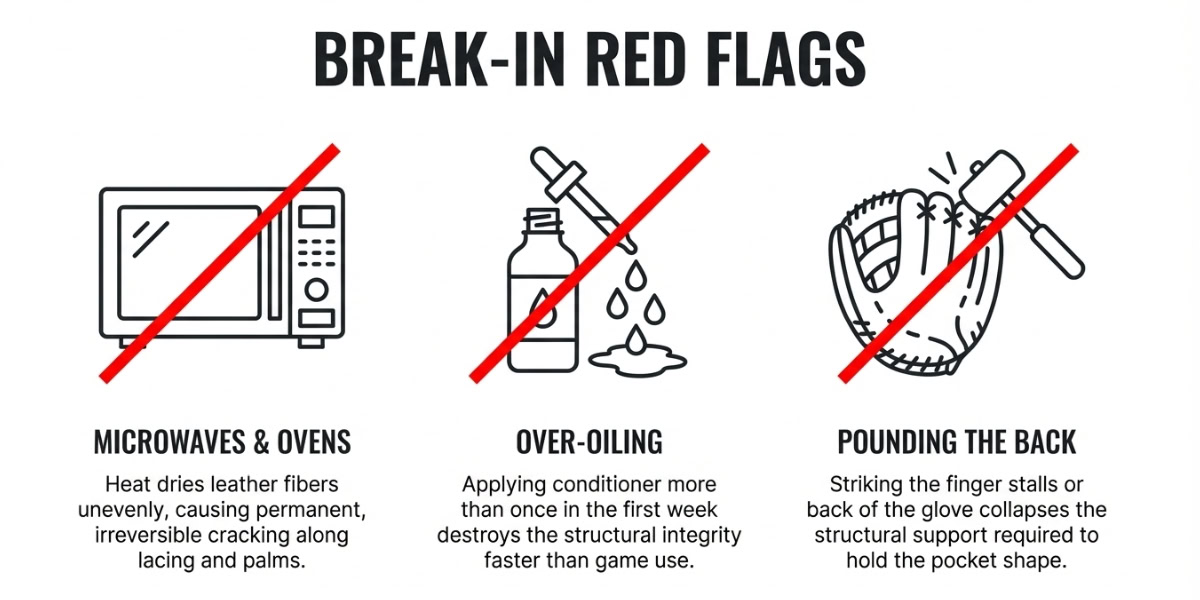
Strike the catching area of the pocket repeatedly to begin forming the shape. Focus on the pocket itself — the area directly below the web where the ball lands on contact. Do not pound the back of the glove or the finger stalls. Pounding the back collapses the structural support that gives the glove its shape.
A dedicated glove mallet is the right tool. A softball or baseball works as a mechanical alternative, but requires more repetitions to achieve the same result.
STEP 3 — TIE THE GLOVE AROUND A BALL OVERNIGHT
After each conditioning session, place a softball in the pocket and secure the glove closed with a rubber band or a dedicated glove wrap. This maintains the pocket shape while the leather is still pliable from conditioning. The pocket forms around the ball geometry overnight rather than collapsing into a flat shape.
This step is the one most players skip because it seems minor. It isn’t. The overnight pocket retention is what accelerates the break-in from six weeks to three for most leather grades.
STEP 4 — PLAY CATCH WITH GRADUAL INTENSITY
Begin with a low-velocity, short-distance catch over the first week. Increase intensity gradually over 2–3 weeks. There is no mechanical substitute for actually caught balls in forming a personalized pocket — the leather is responding to the specific angle, velocity, and position of your individual catching mechanics.
A glove broken in by another player will have a pocket shaped by her mechanics, not yours. Break it in yourself.
What to Avoid
Microwave and oven methods dry the leather fibers unevenly, producing cracking along the lacing and the back of the palm within a season. This damage is permanent and irreversible on a premium glove.
Over-oiling — applying conditioner more than once in the first week — breaks down the leather’s structural integrity faster than game use does, producing a glove that becomes too soft to maintain its pocket shape.
Playing full-intensity ground balls or fly balls before the pocket has formed risks misshaping the catching area in a way that permanent conditioning later can’t fix. A glove that’s stiff in week two will be game-ready by week four if the process is followed correctly.
How to Care for Your Fastpitch Softball Glove
A well-maintained glove lasts significantly longer than one that gets packed wet into a bag after every game. The time investment in maintenance is small. The return is measured in seasons.
After every game or practice, wipe the leather down with a clean, dry cloth. Remove dirt from the lacing and wrist closure before it dries into the stitching and begins to break down the fiber.
Monthly: apply one thin coat of leather conditioner, particularly in dry climates where leather loses moisture more quickly. Players in humid climates may need less — the goal is maintaining suppleness, not saturating the leather.
Storage: Keep the glove with a softball secured in the pocket in a cool, dry location away from direct heat. Leaving a premium glove in a hot car is one of the fastest ways to degrade leather quality. Heat dries and cracks leather at an accelerated rate, and the damage cannot be reversed.
Lacing: Inspect the lacing monthly. Frayed or cracked laces compromise structural integrity. Replace them before they break during a game, not after. A lacing repair costs $10–$30 at most sporting goods shops and extends the functional life of the glove by years.
Find My Glove in 30 Seconds
Tap your position on the diamond to get your recommendation instantly
Tap your position to see your glove recommendation
Pitcher's Glove
Mizuno MVP Prime — best closed-web value for pitchers
Closed webbing is non-negotiable. Any open web lets the batter read your grip before the pitch leaves your hand.
Shortstop Glove
Rawlings Liberty Advanced — game-ready leather built for fast transfers
Never go above 12.25″ at short. Every extra inch of pocket adds friction on the transfer — and those fractions of a second decide close plays at first.
Second Base Glove
Rawlings Liberty Advanced — lightweight, quick-transfer infield design
Second basemen wear the smallest gloves on the field for a reason. Smaller gloves mean faster transfers. The I-web lets dirt fall through so it never disrupts the exchange.
Third Base Glove
Rawlings Liberty Advanced or Easton Pro Collection Signature
Third base absorbs the hardest-hit balls on the diamond. Go slightly larger than a middle infielder and choose the H-web for added support without sacrificing transfer speed.
First Base Mitt
Look for a dedicated first base mitt — scooped edge essential for low throws
First base mitts are measured differently than fielding gloves and have no finger separations. The scooped edge is designed to dig errant throws out of the dirt.
Catcher's Mitt
See our dedicated catcher's mitt guide for full reviews
Catcher's mitts are measured by circumference, not length. Adult fastpitch mitts run 32.5″–34″. The deepest pocket and heaviest padding on the field — built to absorb high-velocity pitching rep after rep.
Outfield Glove
Wilson A2000 — deep pocket outfield standard for HS and college level
Outfielders prioritize ball security over transfer speed. Go as large as you can comfortably field. A deep pocket on a fly ball is the difference between a clean catch and a drop.
Frequently Asked Questions:
Fastpitch Softball Gloves
For high school infielders, the Rawlings Liberty Advanced is the strongest combination of position-specific fit, game-ready leather, and price. For outfielders at the high school level committed to a multi-season glove, the Wilson A2000 is the standard. Budget-conscious high school players who need competitive performance at mid-range pricing should consider the Mizuno MVP Prime for infield and pitching.
Fastpitch softball gloves are engineered around a larger ball and female hand anatomy. The pocket is deeper and wider to accommodate the larger softball. The wrist opening is narrower, and the finger stalls are tighter to fit female hand proportions more accurately. Using a standard baseball glove in fastpitch creates a pocket too small for the ball and a fit too wide at the wrist — both of which undermine defensive performance in ways that proper equipment selection corrects immediately.
Start with your position, not your age. Position determines the functional requirements of the glove — pocket depth, web type, and overall size. Then cross-reference with the age-based sizing table to confirm the fit range is appropriate for your hand size. Middle infielders should stay at 11.75″–12.25″. Outfielders should be in the 12.5″–13″ range. Pitchers need closed webbing in the 12″–12.5″ size range. A physical fitting confirms what the charts suggest.
Yes, with a caveat. A 12.25″–12.5″ glove functions reasonably well across infield and outfield positions and is the standard recommendation for utility players. What it won't do is optimize your performance at either spot. A middle infielder using a utility glove will be slightly slower on transfers than one using a 12″ infield-specific pattern. That trade-off is acceptable for a utility player. It's a real disadvantage for a primary position player.
Pitchers must use a glove with closed webbing for competitive reasons. Open webs allow the batter and opposing coaches to see the grip while the ball is still in the glove. At the high school and travel ball level, batters who can read a fastball grip versus a change-up grip have a real timing advantage. Switching to a closed web glove eliminates that information. It is one of the simplest performance improvements a pitcher can make.
The fastest legitimate method is: condition the leather with a purpose-made conditioner, work the pocket with a mallet for 10–15 minutes, place a softball in the pocket and tie the glove overnight, then play catch at gradually increasing intensity daily. Repeat the conditioning and overnight ball step after each session. Most easy-break-in gloves like the Liberty Advanced are game-ready in 5–7 days with this method. Moderate-break-in gloves like the A2000 take 3–4 weeks. Avoid microwave, oven, and excessive oiling methods — they all produce short-term flexibility at the cost of permanent leather damage.
Best Brands for Fastpitch Softball Gloves

RAWLINGS has been producing fielding gloves for over 130 years and remains the most used brand at the high school and college fastpitch level. Their Liberty Advanced and Heart of the Hide fastpitch lines set the position-specific design and leather quality standard for the sport.

WILSON’s A2000 fastpitch series has earned a multi-generational reputation at the competitive level. Wilson’s fastpitch-specific patterns, Pro Stock leather, and consistent quality control year over year make them the primary alternative to Rawlings at the top of the market.

MIZUNO is the strongest non-American brand in competitive fastpitch. Their MVP Prime and Prime Elite lines compete seriously with Rawlings and Wilson at comparable price points. Mizuno’s fit tends to run slightly narrower in the finger stalls, which works well for players with longer, narrower hand proportions.

NOKONA is one of the last manufacturers making gloves in the United States. Their hybrid leather constructions and handcrafted standards produce gloves with a higher performance ceiling than any mass-produced alternative, but the long break-in timeline limits their accessibility for players without pre-season preparation time.

EASTON produces competitive equipment at both the youth and high school levels. The Professional Collection Signature Series competes seriously in the $160–$220 range, and the Ghost Tournament Elite is the most purpose-built youth fastpitch option in the $100–$150 window.
Final Thoughts — Choose for Your Position, Not for the Brand
The most common mistake I see at the high school level is players choosing a glove based on what a favorite player or teammate uses, without asking whether that glove actually fits their position and their hand.
A shortstop using an outfield glove makes slower transfers on every single play. An outfielder using an infield-sized glove loses range and ball security in ways that compound across 60 games. Those are not aesthetic problems. There are performance problems with equipment solutions.
Start with position. Then factor in the leather grade relative to your break-in timeline. Then match the budget to the level of play. A player who gets those three variables right will outperform the player who spends more money on the wrong combination of them.
The AllAboutFastpitch team has evaluated every glove on this list under competitive conditions. If your situation doesn’t fit neatly into the categories here — an unusual hand size, a specific position transition, a very short pre-season window — use our equipment guides or reach out directly. We’re here to help you get this right.
Can’t find the right glove? Try our interactive fastpitch glove finder to find the glove that suits you best.