
Here is the reality that most youth bat guides fail to disclose: the priciest bat available is seldom the appropriate choice for a 10-year-old. A young hitter who is honing her mechanics requires bat speed and control — rather than a $450 composite bat designed for a high school player’s swing.
This guide addresses that gap. We have evaluated 10 youth fastpitch softball bats spanning various price ranges — from economical alloy selections to entry-level composites — and aligned each one with the corresponding age group, skill level, and type of hitter it is genuinely suited for. Every selection on this list is USA Softball (ASA) certified and comes in suitable drops for young athletes.
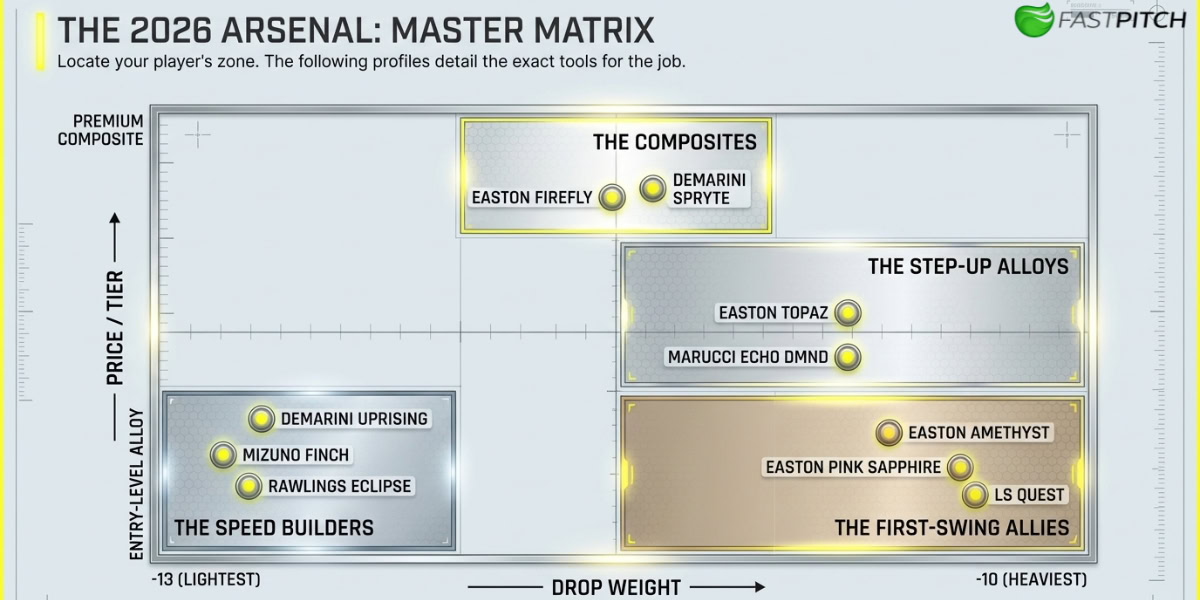
- Most players ages 8–12 should start with a -12 or -13 alloy bat — lighter swing weight builds mechanics before pop.
- The DeMarini Spryte is the top composite youth pick; the Easton Amethyst is the best all-around alloy under $50.
- A drop -10 is the right progression target for 12U–14U players with developing strength and bat speed.
- Composite bats need a 150–300 swing break-in period — alloy bats are game-ready from the wrapper.
- League certification matters: verify USA Softball (ASA) and USSSA stamps before you buy.
- Buying the most expensive bat assuming it performs best. A $350 composite in the wrong drop weight underperforms a $50 alloy in the right one. Match the bat to the player's strength, not the price ceiling.
- Not checking league certification before buying. USA Softball and USSSA have separate approved bat lists. A bat that's illegal in your daughter's league is worth $0 on game day.
- Expecting composite pop from day one. A composite bat fresh from the wrapper hasn't been broken in. 150–300 swings on a tee come first.
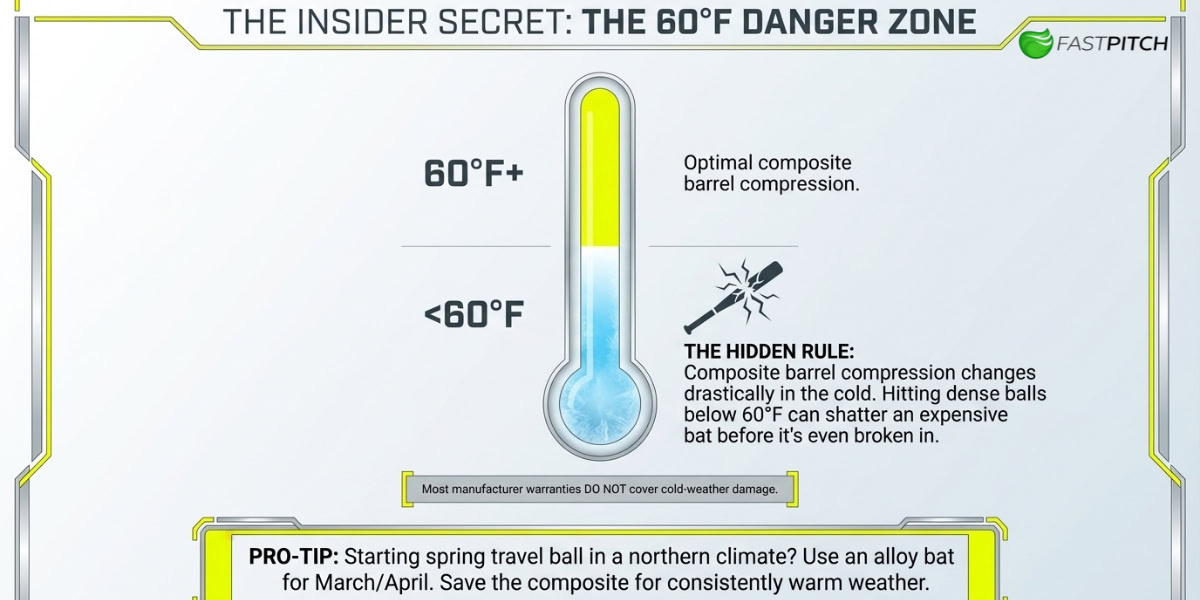
- Using a composite bat in cold weather. Below 60°F, composite barrels stiffen, performance drops, and crack risk rises. Use alloy for spring games in cold climates.
- Sizing up "for room to grow." A bat even one inch too long wrecks swing mechanics. Always fit for now — she'll grow into a new bat, not a drag-handled one.
Top Rated Youth Fastpitch Softball Bats (2026)
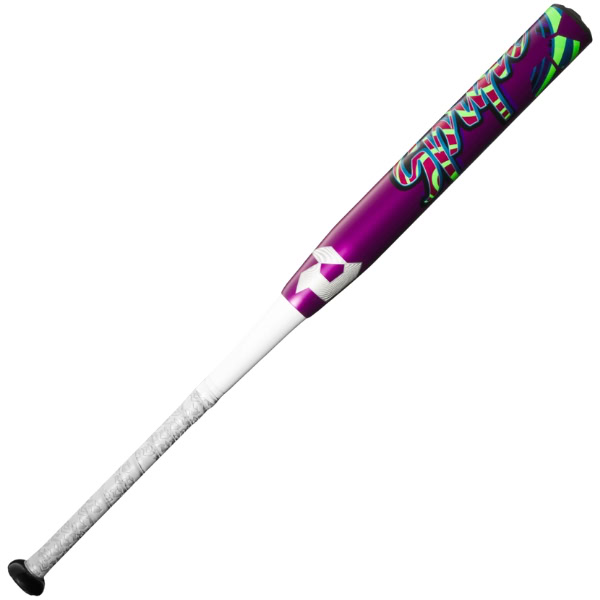
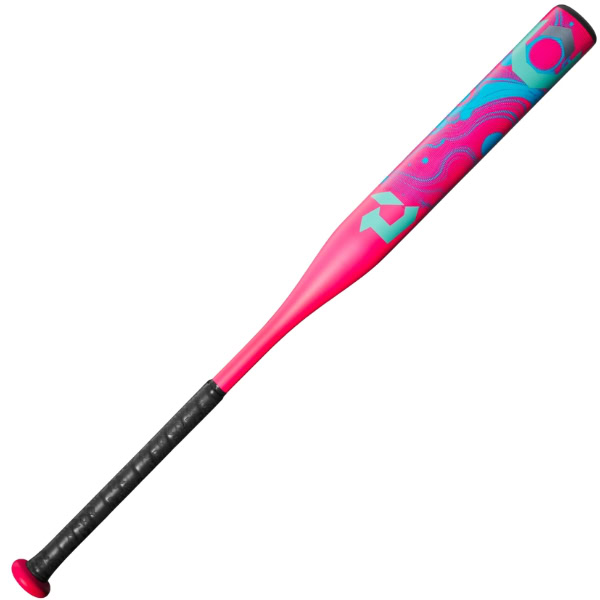
DeMarini Spryte
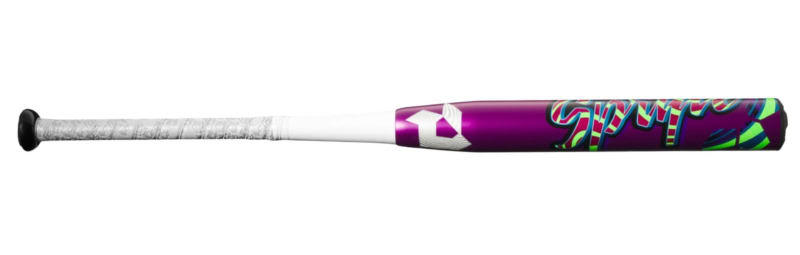
The Spryte earns its spot at the top of this list because it solves the core problem with composite bats for young players — they’re usually too heavy or require too much break-in to deliver real value at this age. DeMarini built the Spryte specifically for youth hitters, and the engineering shows.
The Paradox Composite Barrel delivers a noticeably large sweet spot by youth bat standards. Even on mishits away from center, the energy transfer is consistent — a meaningful detail when a player is still developing her contact mechanics. The D-Lite Composite Handle keeps overall swing weight among the lightest in the composite category.
The honest tradeoff: the Spryte requires a proper break-in — roughly 150–200 swings off a tee before it reaches full responsiveness. For players expecting hot-out-of-the-wrapper performance, that’s worth knowing before game day.
- Large composite sweet spot for youth hitters
- Light swing weight helps developing players
- Two-piece design reduces vibration
- Great performance once broken in
- Requires break-in period
- More expensive than alloy youth bats
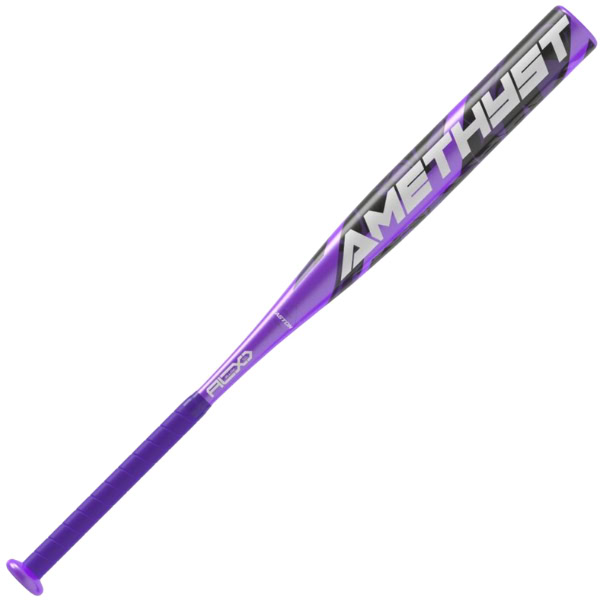
Easton Amethyst
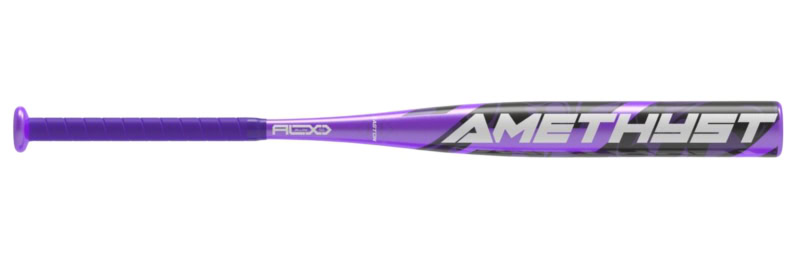
The Amethyst is the bat we’d hand to a parent who says, “She’s just getting started, and I don’t want to spend $300 on something she might outgrow.” The ALX50 military-grade aluminum is genuinely durable — we’ve seen these bats survive a full travel season without denting.
The ultra-thin 29/32″ handle with Easton’s All-Sports grip is comfortable, and the sting on mishits is manageable. For mechanics development, the crisp, immediate feedback of alloy is actually an advantage over composite at this stage.
- Excellent value for beginner players
- Lightweight aluminum construction
- No break-in required
- Very durable for youth leagues
- Smaller sweet spot than composite bats
- More vibration on mishits
DeMarini Uprising
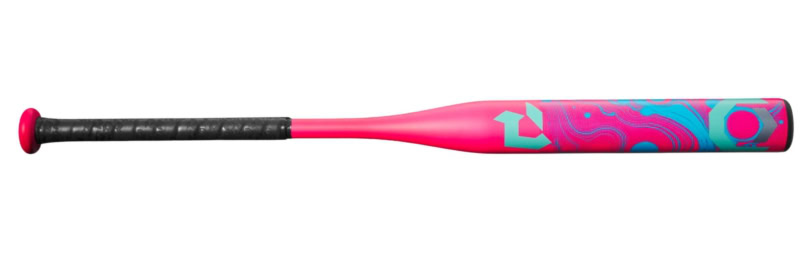
DeMarini’s Uprising fills a specific niche: the lightest-swinging alloy bat on this list, designed around the idea that bat speed at the youth level matters more than barrel weight. For a player who tends to drag the barrel through the zone or struggles to get around on inside pitches, the -12 drop provides genuine help.
The DX1 Alloy barrel offers a better trampoline effect than basic aluminum. The Big D End Cap does real work absorbing vibration — a meaningful upgrade over bare-cap designs that send every mishit straight into your hands.
- Durable DX1 alloy barrel
- Good balance for developing hitters
- Solid performance for price
- Smaller sweet spot
- More vibration than composite bats
Easton Firefly
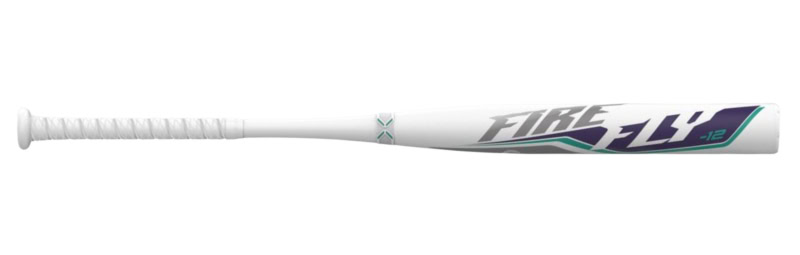
The Firefly is Easton’s attempt to bring premium composite technology to a more accessible price point — and for the most part, they’ve succeeded. It sits between entry-level alloy and flagship composite, a practical middle ground for a player who’s outgrown a basic alloy but whose parents aren’t ready for a $300+ purchase.
Easton’s Connexion+ Technology — usually reserved for their Ghost lineup — reduces vibration while preserving barrel responsiveness. Break-in is roughly 150 swings. One limitation worth noting: performance drops noticeably below 60°F, making this a warm-weather composite bat.
- Ultra-light swing weight for younger hitters
- Large composite sweet spot
- Two-piece construction reduces vibration
- Good balance of speed and control
- Hot performance right out of the wrapper
- Not as powerful as premium composite bats
- Durability may be lower for stronger players
Mizuno Finch Youth
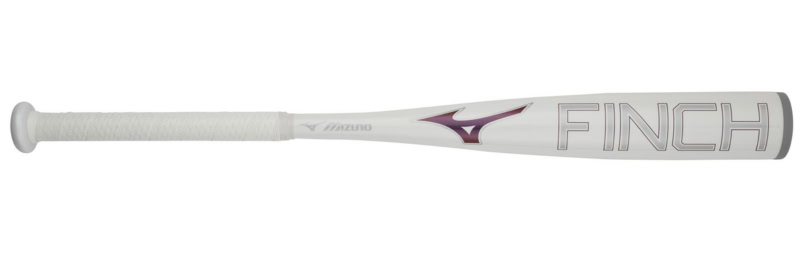
The Mizuno Finch carries the name of Jennie Finch, Olympic gold medalist and one of the sport’s most iconic players. Beyond the marketing association, this bat earns its place through genuine engineering for the youngest age groups.
The MZ-2200+ alloy is among the lightest alloy constructions available. The -13 drop makes it one of the easiest-swinging bats on the market, translating directly into better contact rates for players still building upper-body strength. The Speed-Helix Grip provides a tacky, comfortable feel without requiring a tight, tense grip.
- Designed with Jennie Finch input
- Very lightweight swing
- Excellent bat control
- Great for beginner and intermediate players
- Not built for advanced power hitters
- Alloy feel may produce more vibration
Easton Pink Sapphire
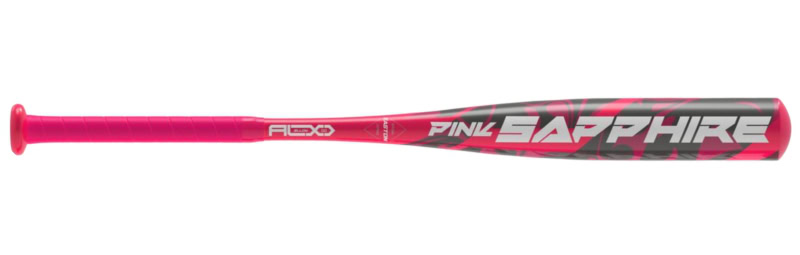
The Pink Sapphire punches above its weight class. One of the most affordable fastpitch bats on the market, it consistently outperforms in durability, feel, and swing ease relative to its price tag.
Built from ALX50 military-grade aluminum, it’s reliable and proven. Its broadest advantage is certification coverage — it clears every common youth softball rulebook, including five separate organizations. Parents who’ve bought a bat only to discover it’s not legal for the spring rec league will appreciate that this one works everywhere.
- Extremely lightweight swing feel
- Great for young beginners
- Durable aluminum construction
- Affordable price point
- Very limited power potential
- Small sweet spot
Rawlings Eclipse
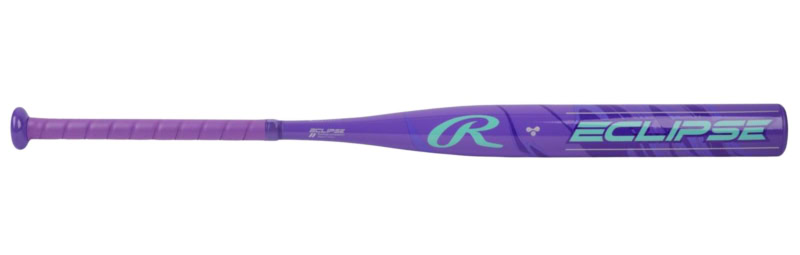
Rawlings doesn’t get as much credit as it deserves in the youth bat market, and the Eclipse is a good example of why. It’s a well-balanced one-piece alloy that produces noticeably more pop than many similarly-priced youth bats — the wall thickness and alloy composition allow for a trampoline effect that starts to approach entry-level composite performance.
Durability is a genuine strength. The barrel construction handles tee work and live pitching without the denting that appears in cheaper alloys after heavy practice. The available -12 and -13 drops give parents sizing options based on their player’s current strength.
- Very lightweight -12 drop ideal for young hitters
- Large X-Tended sweet spot improves contact consistency
- Balanced swing weight helps generate faster bat speed
- Durable one-piece alloy construction
- Affordable entry-level fastpitch bat
- More vibration on mishits than composite bats
- Smaller performance ceiling than premium models
Louisville Slugger Quest
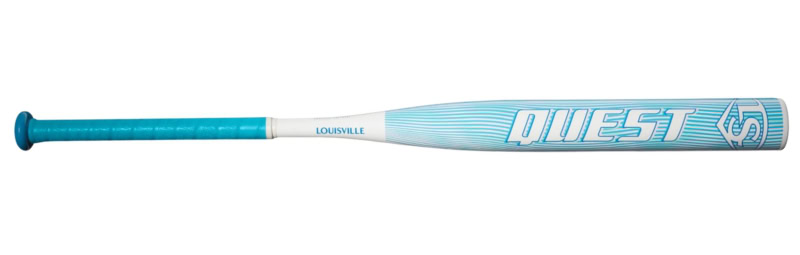
Louisville Slugger’s Quest is positioned for youth players just beginning the game. The swing weight is ultra-balanced, meaning players who are still learning where to put the barrel can swing through the zone with control rather than fighting weight distribution.
What distinguishes the Quest from similar alloy options is the quality of energy transfer on contact. For a one-piece alloy at this price range, the amount of energy redirected from barrel to ball on center-cut contact is above average. Players will hear a cleaner, crisper sound on good contact — a small detail that genuinely helps youth hitters identify what a solid swing feels like.
- Very affordable
- Lightweight for beginners
- Good durability
- Easy swing control
- Limited power
- Basic materials
Easton Topaz
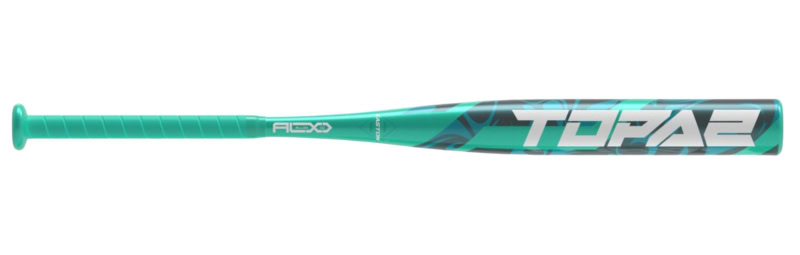
The Topaz fills an often-overlooked position: the step-up alloy bat for a 12U–14U player ready for a heavier swing but not yet in budget — or development stage — for a premium composite. Finding an alloy bat at the -10 drop that doesn’t feel unwieldy is genuinely difficult. Easton gets it right here.
The -10 drop, combined with an ultra-thin handle, creates a swing profile that feels considerably more responsive than heavier alloys in the same range. Players transitioning from a -12 will feel the weight difference but won’t feel slowed down — the balance point distributes the added weight in a way that supports rather than hinders bat speed.
- Ultra-light -12 drop perfect for young players
- Durable one-piece alloy construction
- Balanced swing weight for easy bat speed
- Large sweet spot helps beginners make contact
- Affordable entry-level option
- Less pop compared to composite bats
- More vibration on mishits
Marucci Echo DMND Alloy
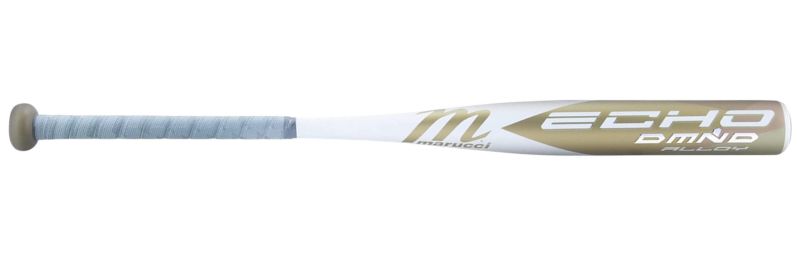
Marucci has been building its fastpitch credibility steadily, and the Echo DMND Alloy is their most compelling youth offering. It brings the technical identity of their flagship Echo DMND composite line into an alloy construction at a substantially lower price.
The standout feature is the Liquid-Gel anti-vibration knob — technology borrowed from skyscraper vibration engineering — which holds a precise amount of liquid gel in the knob to absorb shock before it reaches the hands. Mishit feedback is substantially softer than standard alloy. The Multi-Variable Wall Design further extends the sweet spot in a way typically associated with composite construction.
- Composite barrel delivers excellent pop
- Two-piece design reduces vibration
- Large responsive sweet spot
- Balanced swing weight for fast bat speed
- Premium construction and feel
- Higher price than beginner bats
- May require break-in for peak performance
| # | Bat | Material | Drop | Ages | Break-In? | Best For |
|---|---|---|---|---|---|---|
| 1 | DeMarini Spryte | Composite | -12 | 8–12 | Yes | Best composite overall |
| 2 | Easton Amethyst | Alloy (ALX50) | -11 | 9–13 | No | Best alloy under $50 |
| 3 | DeMarini Uprising | Alloy (DX1) | -12 | 8–12 | No | Swing speed development |
| 4 | Easton Firefly | Composite | -12 | 10–13 | Yes | Mid-range composite step-up |
| 5 | Mizuno Finch Youth | Alloy (MZ-2200+) | -13 | 7–11 | No | 8U–10U beginners |
| 6 | Easton Pink Sapphire | Alloy (ALX50) | -12 | 8–12 | No | Best budget pick |
| 7 | Rawlings Eclipse | Alloy | -12 / -13 | 8–13 | No | Versatile alloy option |
| 8 | Louisville Slugger Quest | Alloy | -12 | 8–13 | No | Best energy transfer alloy |
| 9 | Easton Topaz | Alloy (ALX50) | -10 | 11–14 | No | 12U–14U transition bat |
| 10 | Marucci Echo DMND Alloy | Alloy (Multi-Wall) | -12 | 10–14 | No | Best technology in alloy |
How to Choose a Youth Softball Bat
Most buying guides focus on specs. This section focuses on the four decisions that actually determine the right bat — get these right and the specific model almost picks itself.
Alloy or Composite?
Composite bats: Require 150–300 break-in swings before full performance. After break-in: larger sweet spot, reduced vibration, better pop. Perform worse below 60°F — barrel compression drops and crack risk rises. Higher price, longer payoff. Ideal for players who've established solid mechanics.
The general guideline: players under 10 should start with alloy. The break-in demand, cold-weather risk, and cost premium of composite aren't justified when the primary developmental need is bat speed and contact repetition. By 12U, players with consistent mechanics in competitive travel ball can make a strong case for composite.
What Drop Weight Does Your Player Need?
Drop weight is the difference between a bat's length (in inches) and its weight (in ounces). A 30-inch bat weighing 18 ounces is a -12 drop. The bigger the negative number, the lighter the bat relative to its length. Getting the drop wrong is the single most common equipment mistake in youth softball.
| Age Group | Typical Length | Recommended Drop | Notes |
|---|---|---|---|
| 6U–8U (Coach Pitch) | 26–29" | -12 to -13 | Lightest possible — focus entirely on contact. |
| 10U (Player Pitch) | 29–31" | -11 to -12 | Begin transitioning to more bat control with -11. |
| 12U | 30–32" | -10 to -11 | Most 12U travel players target -10 by mid-season. |
| 14U | 32–33" | -9 to -10 | Stronger players can handle -9 with proper mechanics. |
How to Find the Right Length
Stand the bat upright with the knob at the center of your player's chest, then extend her arm out along the barrel. If her fingertips reach the end cap comfortably, the length is right. If her hand extends significantly past the end cap, go shorter. If she can't reach the end, go longer. When between sizes, always size down — a slightly short bat is controllable; a bat an inch too long wrecks swing mechanics.
How to Test That the Weight Is Right
Hold the bat by the handle only, extend your arm straight out to the side, and hold it parallel to the ground for 30 seconds. If your player holds that position without the arm dropping or shaking, the bat weight is appropriate. This test is more reliable than age charts because body strength varies significantly within any age group.
What Most Youth Bat Guides Don't Cover
Cold Weather and Composite Bats
This topic is almost universally absent from youth bat guides, which is surprising because spring youth leagues regularly play in temperatures that put composite bats at real risk. Below 60°F, composite barrel compression changes significantly — hitting balls in those conditions can crack a bat before it's even properly broken in. Most warranties don't cover cold-weather damage.
The practical rule: if your player is starting spring travel ball in March or April in a northern climate, use an alloy bat for the first part of the season. Save the composite for when temperatures are consistently above 60°F.
The Break-In Process: What Most Guides Gloss Over
Every composite bat requires a proper break-in. Most guides mention this in passing without explaining what proper actually means. Here's the process:
- Use a batting tee (not soft toss, not live pitching) for the first 50 swings
- Rotate the bat approximately one-quarter turn after every 10 swings
- Gradually introduce soft toss at swings 50–150
- Introduce live pitching at swings 150 and beyond
- Never use a composite bat for machine pitching during break-in — machine balls are harder than game balls and can crack an unbroken barrel
Skipping any part of this process doesn't just delay performance — it can permanently damage the barrel. A composite bat that cracks on swing 30 in a cage is almost never covered under warranty.
League Certification: The Mistake That Costs Money
USSSA: Required by most competitive travel ball organizations. Look for the USSSA mark on the barrel.
Dual-certified bats (USA + USSSA): The safest buy for players in multiple leagues. All 10 bats on this list carry dual certification.
Before buying any bat, check your league's equipment rules. A $200 bat that's illegal for your daughter's league is worth $0 in actual games. See our full guide on ASA vs. USSSA certification for more detail.
Fastpitch Youth Bat FAQs
For an 8-year-old, the priority is light swing weight and comfortable grip — not pop. The Mizuno Finch (-13) or Easton Pink Sapphire (-12) are the most appropriate options. Both use lightweight alloy construction that's game-ready without break-in, and both carry the certification needed for most 8U and coach pitch leagues. Avoid composite bats at this age — the break-in requirement and cold-weather vulnerability don't make sense for a developmental player.
Most 12U travel players target a -10 or -11 drop. The right answer depends on the player's strength more than age alone. A strong, developed 12U player in competitive travel ball can often handle -10 effectively. A smaller or earlier-developing player may need to stay at -11 through the season. The 30-second arm extension test is more reliable than any age chart — if she can hold a -10 bat extended for 30 seconds, she's ready for it.
Alloy bats do not require break-in — they are fully game-ready from the wrapper. Composite bats require a structured break-in of approximately 150–300 swings, starting on a tee and rotating the bat every 10 swings. Skipping this process on a composite bat doesn't just delay peak performance — it can permanently damage the barrel, and most manufacturers won't cover that damage under warranty.
Not necessarily. For players still developing their swing mechanics (generally under 10, or any player without consistent contact skills), an alloy bat is often the better choice. The immediate feedback of alloy helps players feel the difference between a solid swing and a mishit. Once a player has consistent contact mechanics and is playing competitive ball, the larger sweet spot and reduced hand sting of composite becomes a genuine advantage.
Check your league's rulebook or equipment page for certification requirements before buying. The two most common certifications for youth fastpitch are USA Softball (ASA) and USSSA. Recreational leagues typically require USA Softball; most competitive travel organizations require USSSA. Many modern youth bats carry both stamps — look for the certification stamp on the barrel itself, not just on the packaging.
Technically possible but not recommended. Adult fastpitch bats are built for players with established mechanics, higher swing speeds, and more developed upper body strength. A 12-year-old swinging a bat built for a 17-year-old will typically produce more ground balls and pop-ups — not because of skill deficiency, but because the bat weight is working against her mechanics.