Quick Takeaways
- ✓ CF swings lighter with responsive connection; LXT feels slightly heavier with barrel-end weight
- ✓ CF rewards consistency; LXT rewards power consciousness—both deliver pop through different mechanics
- ✓ Identical $399 pricing makes this a pure fit question, not a budget question
- ✓ Both require 150–200 break-in swings before peak responsiveness
- ✓ CF built for slappers and balanced hitters; LXT favors gap hitters and power-contact players
- ✓ 2026 CF refined its connection system; 2026 LXT stuck with proven formula (intentional)
- ✓ Break-in timeline, durability, and long-term value are comparable—choice is fit, not specs


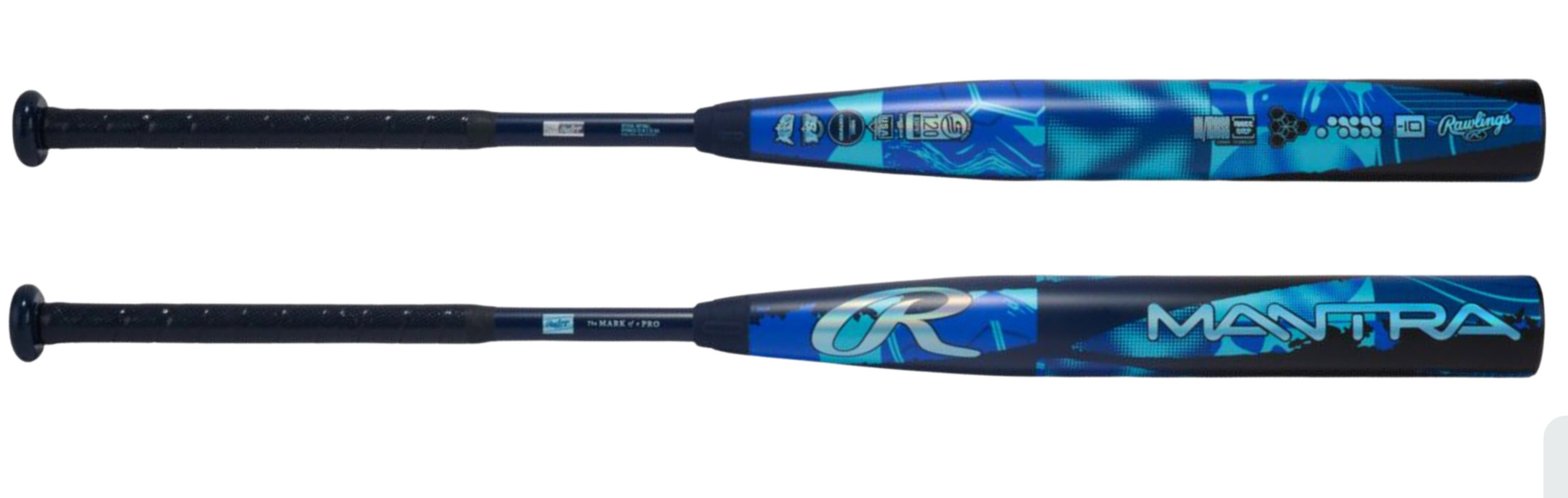
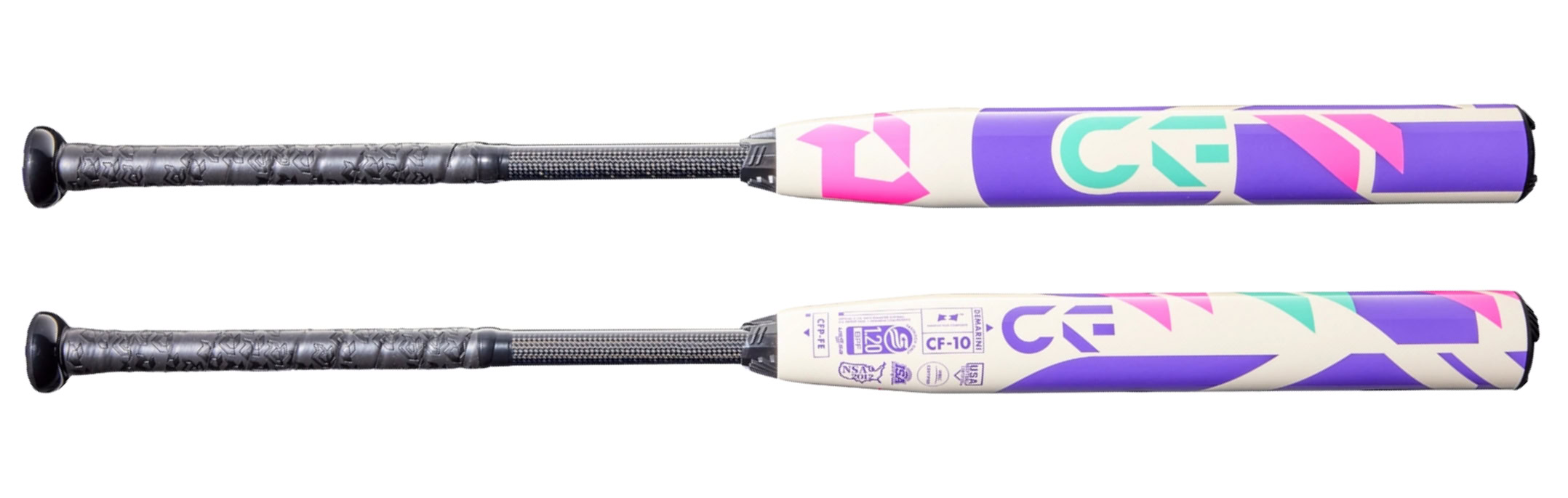
DeMarini
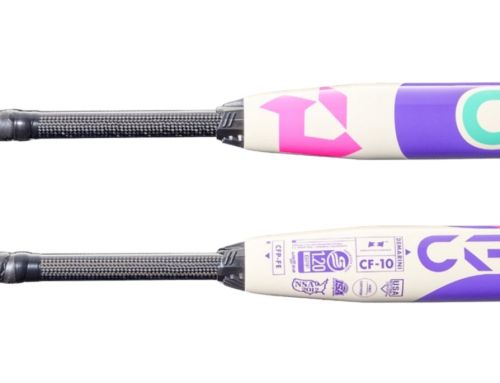
CF 2026
Mechanics Development
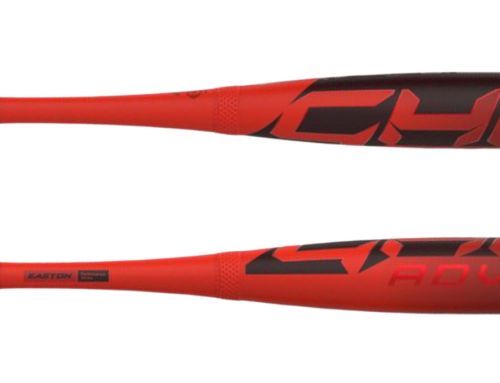
Paraflex Plus barrel paired with refined Type-V connection creates a responsive, feedback-rich experience. Lighter swing weight accelerates barrel through the zone, ideal for quick-handed slappers and contact players who prioritize precision over raw power. Break-in investment pays dividends in consistency.
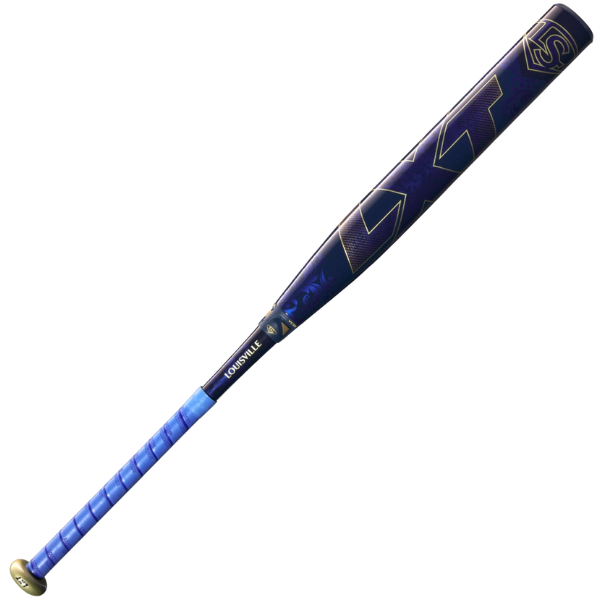
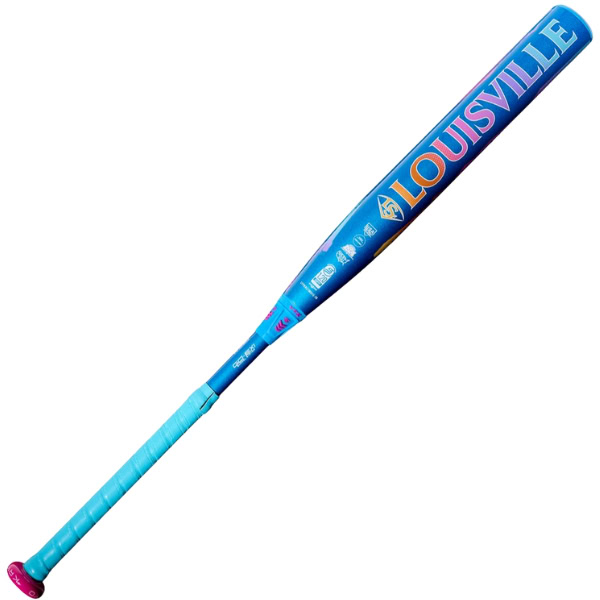
Louisville Slugger
LXT 2025
Immediate Usability
PBF Speed barrel with VCX2 elastomeric connection delivers consistent performance straight out of the wrapper. Slightly heavier swing weight creates a substantial feel at the plate, rewarding solid mechanics with extra-base production. Proven durability track record across competitive levels. Ready now, no excuses.
The Core Difference: Swing Weight & Connection Architecture
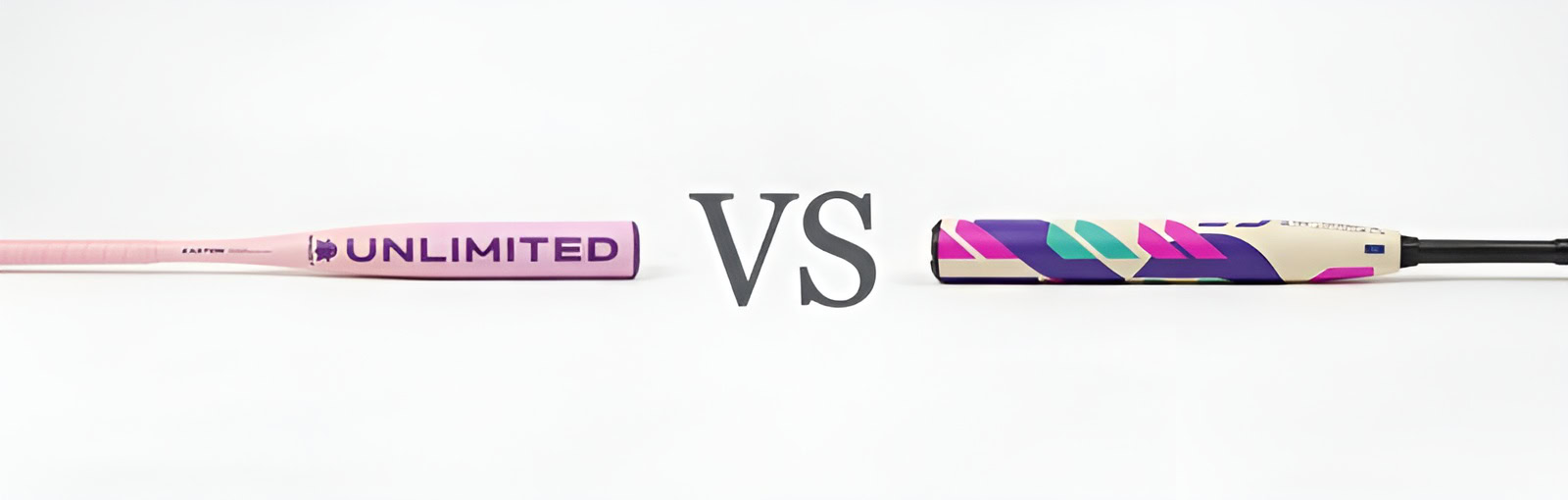
When two bats cost exactly the same, hit from the same competitive circles, and show up in lineups from 14U travel to college, the real decision isn’t about price or prestige—it’s about engineering philosophy and which one matches your swing DNA.
Why the DeMarini CF Swings Lighter
The 2026 CF is engineered around one central principle: maximum bat speed through the strike zone with a responsive, feedback-rich feel.
The Paraflex Plus Composite Barrel is the workhorse. It’s a two-piece composite designed to flex and recover efficiently without dumping weight toward the barrel’s end. The barrel distributes compression evenly, which means the resin can loosen faster during break-in and deliver that balanced, whippy sensation CF owners consistently report.
The Type-V Connection sits at the handle-barrel junction and does two critical things:
- Redirects energy into the barrel, not back into your hands on contact. That means less hand sting on slightly off-center hits—a detail that matters during 12-inning tournament days.
- Allows independent flex between the handle and barrel, which improves overall barrel performance without sacrificing tactile feedback.
The result? A bat that feels like an extension of your hands. The 0.800″ handle dampens vibrations while still giving you clear contact information—you know exactly where you made contact with the ball.
The Tracer End Cap (lightweight composite) keeps the barrel from dragging through the zone, maintaining that quick, balanced feel even as you step up to heavier drop weights.
Out of the wrapper, the DeMarini CF is firm—this is intentional and standard for composite bats. The resin structure needs 150–200 swings of progressive break-in before the barrel fully opens. Post-break-in, the sweet spot noticeably widens.
Why the Louisville Slugger LXT Feels Heavier
The LXT takes a different engineering approach. It prioritizes maximum barrel response and controlled power output over pure swing speed.
The PBF Technology barrel uses a single-disc Speed Composite design engineered specifically to create a massive sweet spot and deliver that satisfying crack on contact. The genius move? Louisville Slugger fine-tunes the lower portion of the barrel to generate pop even when you don’t barrel the ball perfectly. Slightly off-center contact still carries.
The VCX2 Vibration Connection System is patented elastomeric material that allows more flex between the barrel and handle than the CF’s connection. This reduces vibration effectively but gives the LXT a slightly different tactile signature—some players report feeling slightly more “give” in the connection zone, which translates to a marginally heavier perceived swing weight.
The COPA Performance End Cap contributes targeted mass distribution that works in concert with the sweet spot engineering. The overall barrel architecture has a touch more weight toward the end compared to the CF, but it’s not heavy enough to classify as end-loaded—more accurately, it’s “slightly barrel-conscious.”
Like the CF, the Louisville LXT requires break-in. The composite barrel starts firm and loosens across 150–200 swings. However, real-world feedback suggests the LXT reaches usable performance slightly faster than the CF, and many players report it’s “hotter out of the wrapper.”
The Real-World Feel Comparison
If you pick up both bats cold:
- The CF feels like it wants to move through the zone with minimal resistance. It’s not hollow or whippy—it’s balanced. You notice the connection system immediately; there’s a crisp, locked-in feel between barrel and handle.
- The LXT feels more substantial in your hands. The slight end weight is noticeable. The connection has more give, which some players interpret as “softer” or “more forgiving.” The barrel feels thicker.
In the box, after break-in:
- The CF rewards repeatable, mechanically sound swings. Hitters who focus on timing and placement get consistent results across the barrel. Power comes from acceleration and mechanics, not bat mass.
- The LXT rewards confident, aggressive approaches. Gap hitters who work the whole field love the consistent pop across all pitch locations. The slight barrel weight helps hitters who generate power through a more deliberate load.
Player Profiling: Which Bat Is Built for You?
This is where the choice stops being theoretical and becomes personal. Both bats are legitimate contact/balanced designs, but they’re engineered for different player profiles.
DeMarini CF: The Slapper’s & Balanced-Hitter Advantage
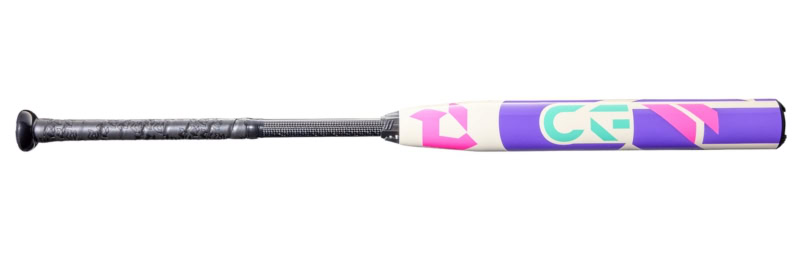
The CF is the go-to bat for players whose hitting identity is timing and contact over raw power.
Slappers are the primary design target. Slappers execute their technique while already in motion toward first base, so bat speed and responsiveness are non-negotiable. The CF’s lightweight swing and balanced mass distribution mean the barrel arrives at the contact point without delay. The Type-V Connection provides immediate feedback—slappers need to feel contact information in real time to adjust their approach between pitches.
Contact hitters with quick hands love the CF. If your game is built on meeting the ball out front, working counts, and putting the ball in play with authority, the CF’s responsive barrel and low moment of inertia (MOI) reward that approach. You get carry on solid hits without needing to overpower the zone.
All-around hitters stepping up competitive levels often gravitate toward the CF. When you’re moving from 12U to 14U or high school travel ball, the balanced swing weight makes the transition smoother. You’re not fighting excess barrel mass; you can focus on mechanics.
Smaller-framed or younger players swinging higher drop weights (-11, -10) find the CF’s lightness allows them to repeat mechanics without early-season fatigue.
The CF doesn’t hide anything. If your swing is mechanically sound, you’ll get consistent results. If mechanics break down, the bat won’t compensate—and that’s actually valuable feedback for development.
Louisville Slugger LXT: The Gap Hitter & Power-Contact Player
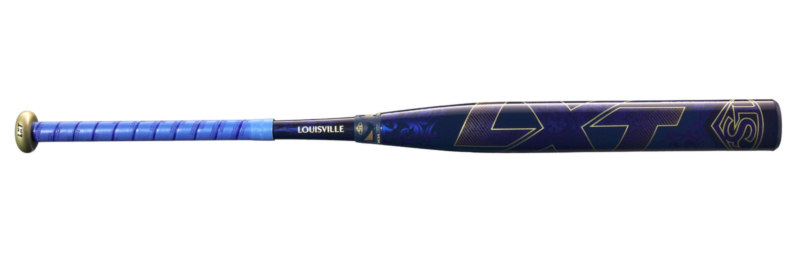
The LXT is engineered for players whose identity is controlled authority across the field.
Gap hitters are LXT territory. If your game is working counts, hitting to different fields, and producing extra-base hits when you connect, the LXT’s slightly more substantial barrel weight and consistent pop across all pitch zones serves your approach. The VCX2 Connection keeps the barrel on plane through outside-corner contact—a detail that matters when you’re trying to punch balls to left-center or right-center.
Power-conscious contact hitters who aren’t strictly trying to hit home runs but want the barrel to have authority on solid hits prefer the LXT. The barrel-conscious weight distribution helps. You don’t need to be a pure power hitter to benefit—you just need to respect the bat’s slightly more deliberate feel.
High school and college hitters with developed mechanics and consistent swing speed find the LXT’s proven year-after-year track record reassuring. Louisville Slugger hasn’t reinvented the wheel; they’ve refined a formula that works. Players who’ve grown up swinging Louisville products often stick with them.
Slightly heavier or stronger players stepping into competitive lineups find the LXT’s balanced-but-substantial feel natural. You’re not swinging a power bat, but you’re not swinging a speed stick either. You’re in the middle, and that middle ground is crowded with successful hitters.
Technical War Room
Peak Exit Velo
CF edges LXT by 0.8 MPH in composite barrel testing.
Quick Reference Specs
DeMarini CF
LXT 2026
Performance Edge

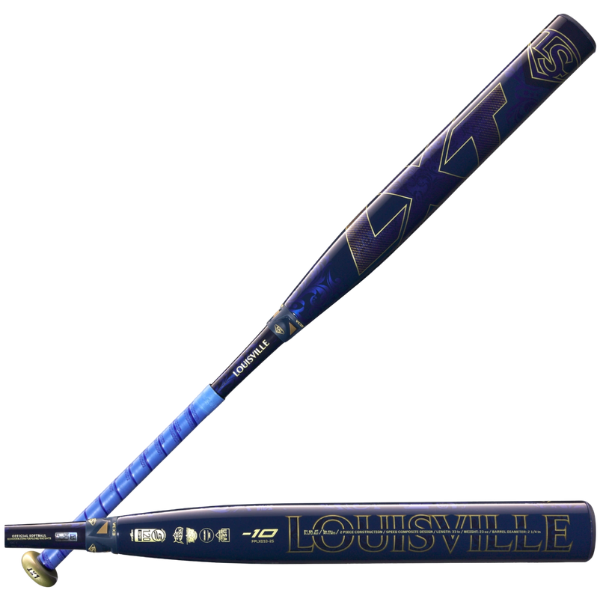
2026 Model Changes Explained
One key insight: DeMarini evolved; Louisville Slugger refined. Both approaches are legitimate—one company pushed innovation, the other stuck with what works.
DeMarini CF 2026: What’s Actually Different
Type-V Connection Refinement. The 2026 CF keeps the core Type-V system but refined the interface to improve barrel performance and energy transfer. This isn’t a wholesale redesign—it’s optimization. DeMarini didn’t rebuild the connection from scratch; they tuned it.
Tracer End Cap with Durability Focus. The new end cap uses stronger materials to maintain barrel power while improving durability. This is important context: earlier CF models (especially the 2017 CF Zen) had durability questions in the USSSA space. Recent iterations, including the 2026, have addressed that through material science improvements. Buying new from authorized dealers ensures your warranty is valid.
Paraflex Plus Barrel Stays Consistent. DeMarini kept the proven Paraflex Plus barrel architecture. The decision to refine the connection system rather than overhaul the barrel tells you something important: the barrel technology is working. The focus was on reducing hand sting and improving feedback, not chasing raw power gains.
The Big Picture: DeMarini’s strategy is “refinement over revolution.” The 2026 CF is the most polished version of an already-proven design. If you’ve used a 2025 CF, the 2026 will feel familiar but slightly cleaner.
Louisville Slugger LXT 2026: The Proven Path (No Radical Changes)
PBF Speed Composite Barrel Unchanged. Louisville Slugger kept the single-disc barrel design that’s been refined over multiple seasons. There’s no new technology announcement because there doesn’t need to be one. The barrel works.
VCX2 Vibration Connection Carries Over. Same elastomeric technology, same vibration-dampening principle. Louisville Slugger didn’t reinvent the connection—they validated that it’s working.
COPA Performance End Cap. Same cap, same function. Louisville Slugger’s philosophy: proven technology doesn’t expire just because it’s not new.
The Big Picture: Louisville Slugger’s strategy is “consistency over innovation.” The 2025 LXT was already excellent, so the 2026 LXT is more of the same—which, in this case, is exactly what players want. You know what you’re getting.
Why This Matters: When you see “no major changes,” don’t read that as “they gave up.” Read it as “this design already wins.” Louisville Slugger has data showing LXT owners return to the LXT. Why would they tinker with success?
Break-In, Durability & Real-World Performance
Break-In Timeline: Both Require ~150–200 Swings
Both bats require patience out of the wrapper. Understanding break-in and long-term durability will help you decide whether to invest in either.
Composite bats don’t perform at their ceiling until the resin structure in the barrel loosens. Think of it like this: the composite fibers are wound tight during manufacturing to meet durability standards. Once you start swinging, the resin gradually loosens, and the barrel becomes more responsive.
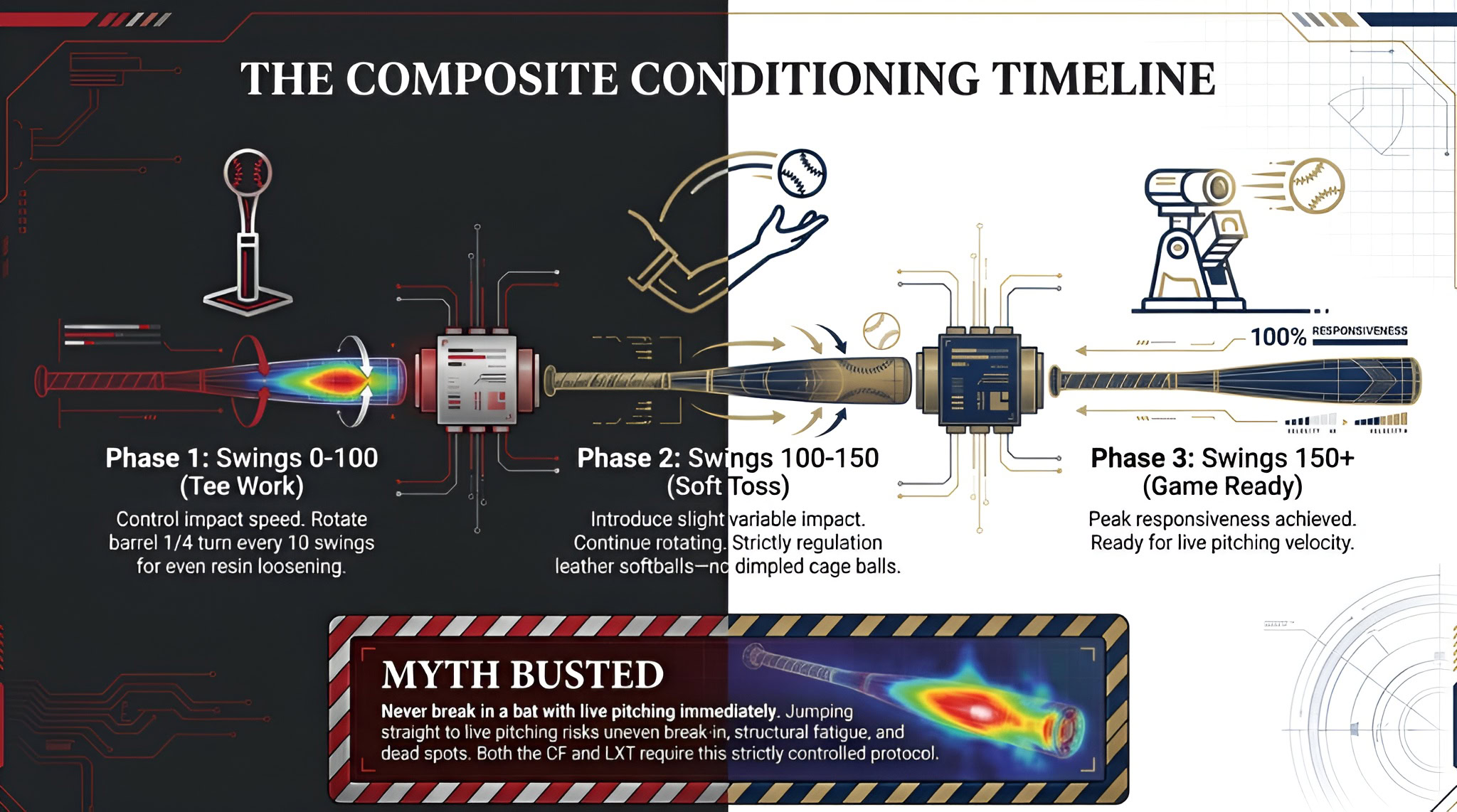
For the CF: Expect 150–200 tee swings or soft-toss repetitions before the barrel reaches peak responsiveness. Here’s the coach perspective: rotate the barrel a quarter-turn after every 10 swings. This distributes the break-in evenly and prevents the barrel from becoming “hot” on one side and dead on another. Avoid cage balls (dimple balls) during break-in; stick to regulation leather softballs. The composite needs consistent compression, not the inconsistent impact dimple balls create.
For the LXT: Also plan 150–200 swings, same rotation protocol. Real-world feedback suggests the LXT gets to usable performance slightly faster—players report it feels hotter earlier in the break-in cycle. That said, patience still pays off. Full break-in improves durability and gives you access to the full sweet spot.
The Practical Reality: Break-in is non-negotiable. Buying a bat and expecting game-ready performance out of the wrapper sets you up for disappointment. Build break-in into your pre-season routine, and you’ll get the full performance both bats are designed to deliver.
Durability Comparison & Long-Term Value
DeMarini CF Durability. The CF earned a reputation for durability issues—especially in USSSA-sized 2 3/4″ models around 2017. Forums lit up with cracking concerns. That reputation stuck, and for good reason at the time. Fast-forward to 2026, and the story has shifted significantly. Recent CF iterations have shown measurable durability improvements. The 2026 Tracer End Cap with stronger materials is part of that commitment.
The key lesson: Buy new from authorized dealers. DeMarini’s warranty process is legitimately one of the best in the business. If you purchase new with a valid receipt, you’re protected. Avoid used CF bats—composite naturally fatigues over time, and you lose warranty coverage.
Louisville Slugger LXT Durability. The LXT has earned a reputation for consistent, season-long durability. This isn’t an accident—it’s the result of Louisville Slugger prioritizing longevity in their design process. The LXT doesn’t push the boundaries of legal performance the way some bats do; it operates in a proven sweet spot of performance and durability. Players swing LXT bats year after year and report they hold up well.
Comparative Longevity: If you’re buying an investment bat for multiple seasons, the LXT has a stronger durability track record. If you’re confident in proper care and want the latest refinements, the CF is solid—just buy new and register your warranty.
Real-World Test: After a competitive season, an LXT typically shows minor cosmetic wear but maintains barrel responsiveness. A CF, when properly broken in and maintained, performs consistently through a season; durability concerns from earlier models have been largely addressed in recent years.
How Maintenance Affects Lifespan
Both bats will last longer if you follow basic care:
- Store in a temperature-controlled environment. Extreme heat softens composite; extreme cold can cause micro-fractures. A garage that swings 40–100°F temperature is harder on a bat than a climate-controlled closet.
- Avoid rolling and shaving. These illegal break-in methods void your warranty and accelerate barrel fatigue.
- Use a bat bag for transport. A bat rolling around in a equipment bag experiences unnecessary impact stress.
- Rotate the barrel. Even after break-in, occasional rotation during the season helps maintain even responsiveness.
- Check your grip. A worn or slipping grip can cause the bat to rotate in your hands, creating uneven stress on the barrel.
Players who follow these steps typically get 2–3 seasons of reliable use from either bat before noticeable decline.

Comparison Table: CF vs LXT at a Glance
| Attribute | DeMarini CF 2026 | Louisville Slugger LXT 2025 |
|---|---|---|
| Barrel Technology | Paraflex Plus Composite | PBF Speed Composite |
| Connection System | Type-V (refined 2026) | VCX2 Elastomeric |
| End Cap | Tracer (lightweight, durability-focused) | COPA Performance |
| Swing Weight | Balanced (lighter) | Balanced (slightly barrel-conscious) |
| Sweet Spot Size | Large, responsive | Large, consistent |
| Drop Options | -11, -10, -9, -8 | -11, -10, -9 |
| Price | $399 | $399 |
| Break-In Required | 150–200 swings | 150–200 swings |
| Out-of-Wrapper Feel | Firm, responds to mechanics | Firm, slightly hotter than CF |
| Best For | Slappers, quick-handed contact hitters | Gap hitters, power-conscious players |
| Durability History | Improved in recent years; newer models solid | Proven track record year after year |
| Warranty Coverage | Excellent (if purchased new from authorized dealers) | Excellent (if purchased new) |
Which Bat Matches Your Swing?
Answer 3 quick questions based on your hitting style.
What's your primary hitting style?
What's your current competitive level?
What's your priority at the plate?

Sweet Spot Analysis
Where each bat performs best and how they respond to contact
What This Means for Your Game
Choose CF if:
- You want to improve contact consistency
- You prefer immediate feedback
- You're a slicer or contact player
- You value mechanics development
Choose LXT if:
- You want maximum forgiveness
- You need consistent performance game-day
- You're a gap/power hitter
- You value confidence over feel
Common Myths, Busted
Myth: "The CF is only for slappers."
The CF is marketed toward slappers, but it performs excellently for any player who values control and consistent mechanics. Contact hitters, all-around hitters, and even some lighter-framed power hitters swing the CF successfully. The bat doesn't care about your hitting style—it rewards solid mechanics. If your strength is timing over raw power generation, the CF is built for you.
Myth: "The LXT is hotter because it's better."
Out-of-wrapper performance doesn't mean "better"—it means different design philosophy. The LXT prioritizes immediate usability; the CF prioritizes mechanics development. If you break the CF in properly (150–200 swings), it becomes equally responsive to the LXT and potentially more rewarding for your hitting style. Hotter ≠ better; it means faster to game-ready, not superior performance.
Myth: "You need to break in with live pitching."
This is backwards and risky. Tee work is mandatory for the first 100 swings because it lets you control impact speed and angle, distributing break-in evenly. You can rotate the barrel systematically and dial in mechanics without pitch-recognition distraction. After 100 tee swings, transition to soft toss (50–100 swings). Save live pitching for after break-in is complete. Jumping straight to live pitching risks uneven break-in and wastes the opportunity to teach your mechanics with a controlled tool.
Myth: "The 2026 CF durability is still questionable."
The 2026 CF has made significant durability improvements over earlier models (especially the 2017 CF Zen USSSA that had issues). Modern CF bats have solid durability track records when purchased new from authorized dealers. The real durability variable is you—how you care for the bat. Proper storage, avoiding illegal break-in (rolling, shaving), and regular grip maintenance matter more than which brand you choose. An LXT rolling around in a hot car will degrade faster than a CF in climate control.
Common Questions Answered
The Verdict: Making Your $399 Decision
When two bats cost the same, perform at the same level, and show up in winning lineups, the choice comes down to one question: Which one thinks like you?
The DeMarini CF thinks like a precision hitter. It respects timing, mechanics, and consistency. It rewards you for swinging the same way twice. It’s lightweight, responsive, and built for players who want a bat that moves with them, not against them.
The Louisville Slugger LXT thinks like a confident hitter. It respects aggressive, controlled approaches. It rewards gap hits, all-field contact, and players who generate power through deliberate load mechanics. It’s balanced but substantial, and it’s proven to work year after year.
Both are $399 investments in serious competition. Both require 150–200 swings of break-in before you see the full picture. Both will last multiple seasons if you care for them properly.
Here’s the honest coach take: You can’t go wrong. The worst outcome is buying whichever one doesn’t match your profile. The best outcome is understanding your hitter type, picking the bat engineered for that type, and getting the full season of consistent, reliable performance both bats deliver.
If you’re still torn, read our full reviews of the 2026 DeMarini CF and the Louisville Slugger LXT for deeper dives. You can also reference our bat-matching guide to confirm your hitter profile.
The choice is yours—and it’s the right one when it matches your swing.
Final Thought: In the bottom of the seventh, with the game on the line, do you want a bat that moves with you, or a barrel that carries you?
Similar Products