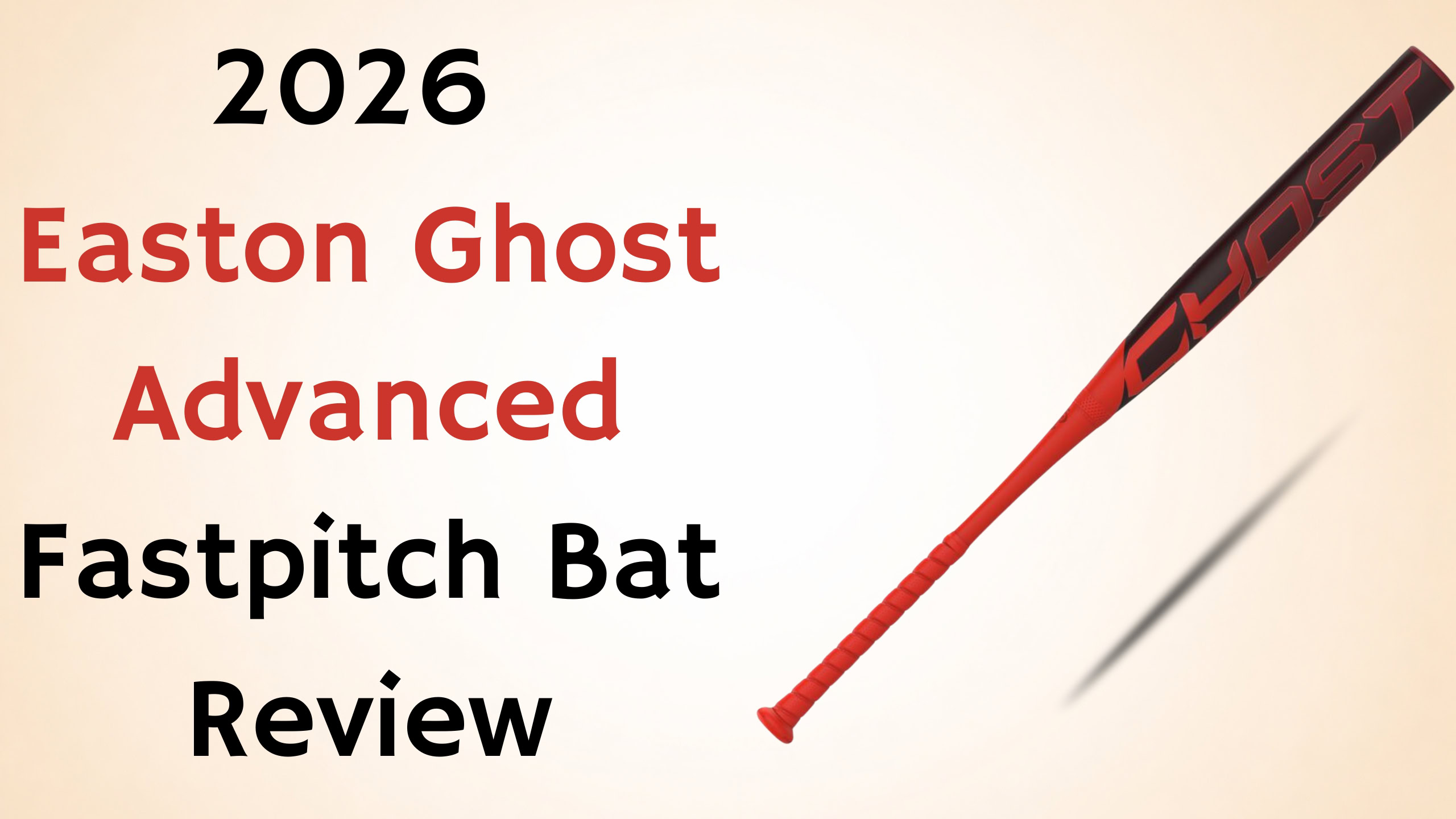
The Easton Ghost Advanced doesn’t need an introduction in most fastpitch dugouts. It has carried a reputation for elite barrel performance for years — and that reputation is largely deserved.
Here’s the truth most buying guides won’t tell you, though: the Ghost Advanced is one of the most polarizing bats in competitive fastpitch. Players who experience it at peak performance swear by it. Players who crack a barrel two months in — and many do — question the value entirely.
At $499, that’s a conversation worth having, honestly.
This review breaks down exactly what the Easton Ghost Advanced does well, where it carries real risk, and who it’s genuinely built for — so you can make a clear-eyed decision before spending your money.
Quick Takeaways
- Double Barrel 3 technology delivers one of the widest sweet spots in fastpitch — barrel compression pushes close to the legal limit for maximum energy return.
- The OptiFlex handle calibrates flex by bat length, so feel stays consistent regardless of which size you choose.
- Durability is the Ghost Advanced's most debated characteristic — performance is legitimate, but understand the real-world breakage patterns before committing $499.
- Best fit for contact hitters and gap-to-gap players with fast swing mechanics who want maximum barrel responsiveness.
- Managed correctly — proper break-in, game-time use, warranty as a backstop — most players report strong performance through one competitive season.
Overview
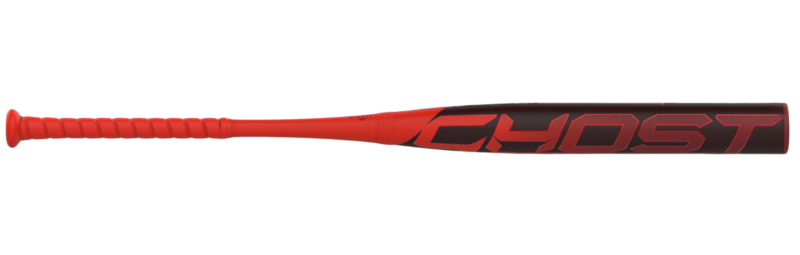
Overview
The Easton Ghost Advanced is one of the most performance-focused two-piece composite bats in competitive fastpitch — and it earns that reputation where it counts. Double Barrel 3 construction pushes barrel compression close to the maximum allowable limit, delivering a wide, responsive sweet spot that rewards consistent contact hitters at every level.
At $499, it sits at the top of the fastpitch market. For players who manage the break-in correctly and use it primarily in games, the performance return is real. Durability is the honest caveat — the Ghost Advanced performs at a high level, but it demands proper care. Buyers who go in prepared, with Easton's 1-year warranty as a safety net, typically find it a justified investment for a competitive season.
What Makes the Easton Ghost Advanced Different
Double Barrel 3 Technology — How It Works on Contact
The headline feature is Double Barrel 3 construction — Easton’s third generation of their dual-barrel design. Unlike a traditional single-wall barrel, the Ghost Advanced uses a low-compression outer barrel paired with a lightweight inner barrel.
The inner barrel governs how much the outer barrel can flex on contact. This engineering keeps performance at or near the maximum allowable compression limit set by governing bodies. In practice, that means maximum energy return on solid contact — balls carry into the outfield consistently, and mishits don’t die the way they would on a stiffer single-wall design.
The construction also contributes to a wider sweet spot distribution. The composite layers share compression load across more barrel surface area, which rewards consistent contact hitters who work all zones of the plate.
SonicComp Max — Material That Earns Its Place
Easton’s SonicComp Max composite is the material wrapped around that barrel structure. It’s the highest-performance composite in the Ghost lineup, engineered for low compression and the distinctive sound the Ghost series is known for across fields.
Whether that sound matters to a player is personal — but what it signals is real. The audible feedback on contact is consistent with maximum energy transfer, not a hollow shell. SonicComp Max also carries improved durability ratings compared to prior Ghost composites, though real-world breakage patterns suggest the gains are incremental rather than transformative.
OptiFlex Handle — The Detail That Separates This Bat
The OptiFlex handle is newer to the Ghost Advanced design, and it addresses a real problem: handle flex in a two-piece bat isn’t one-size-fits-all. A 32″ bat and a 34″ bat swing differently, and the ideal flex point differs between them.
OptiFlex calibrates the handle flex specifically to each bat length. This results in a more consistent feel across the lineup — players who’ve used multiple Ghost Advanced sizes in different years will notice that the transition between lengths feels more intuitive now.
CXN Evolution — Vibration Management in Two-Piece Design
The CXN Evolution connection joint separates the barrel from the handle with controlled forgiveness. On mishits — pitches jammed inside or caught off the end — the connection absorbs a significant portion of the sting before it reaches the hands.
It also allows the two-piece design to flex without losing feedback on solid contact. You still know exactly where you made contact. The connection doesn’t mute the bat; it filters the negative output.
Power Boost Soft Knob
The knob design deserves mention because it’s underrated. The Power Boost Soft Knob provides additional leverage for the bottom hand at the point of contact, which benefits hitters who generate power through wrist turn at impact. It also reduces residual vibration at the grip’s base — relevant for players who log heavy practice volume.
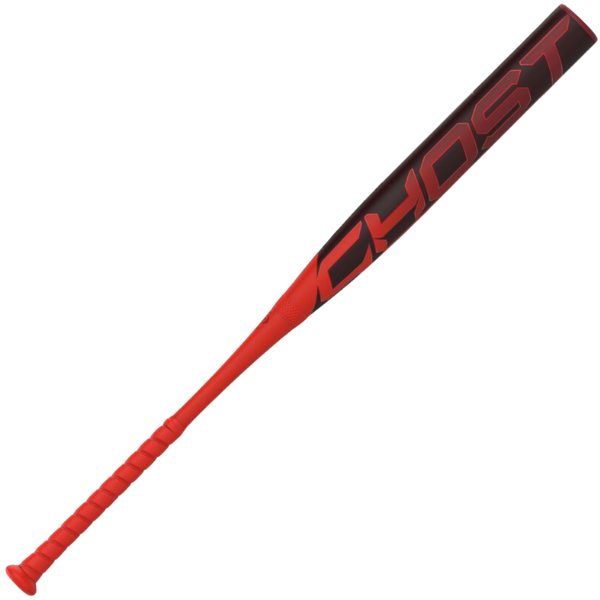
Technologies Overview
How the Ghost Advanced Performs on the Field
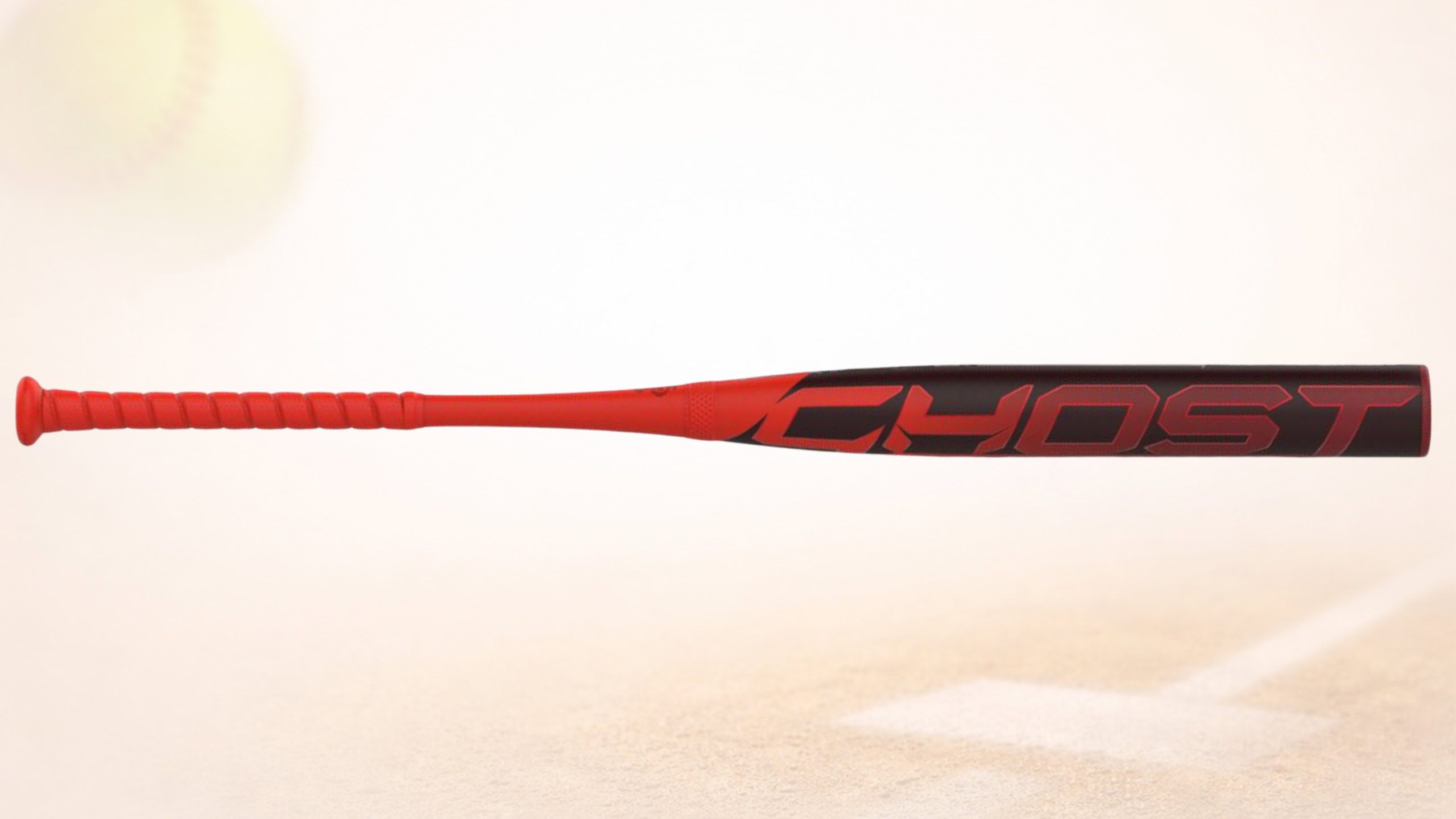
Swing Feel and Bat Speed
The -10 swing weight on the Ghost Advanced sits in balanced territory — neither the feather-light feel of a -11 nor the noticeable barrel bias of a -9. Swings feel clean and whippy through the zone, with the weight distributed to support quick hand movement rather than raw momentum.
Players transitioning from a -11 will find the adjustment manageable. The OptiFlex handle contributes to that — the flex absorbs what would otherwise feel like extra mass, making the speed transition smoother than similar -10 designs.
The -9 drop is a different story. It swings notably heavier through the zone, which is intentional — that model targets power hitters who generate force from a longer arc rather than pure hand speed.
Barrel Performance and Break-In
Out of the wrapper, the barrel is firm. This is standard for composite bats — the resin needs to loosen across the fiber structure before the barrel opens up fully. Expect 150–200 swings of progressive break-in before peak responsiveness.
Post-break-in, the sweet spot widens noticeably. Players will recognize this as a common characteristic of multi-layer composite construction — the barrel rewards patience with more consistent performance across the hitting surface.
Vibration Management on Mishits
The CXN Evolution connection does its job well on pitches caught outside the sweet zone. Sting is reduced to a minimal level on most mishits — a meaningful detail for players who take extra swings in practice settings. It’s not a perfect dampener, but compared to stiffer two-piece connections in the same price range, the Ghost Advanced handles mishit feedback better than most.
The Durability Question — The Honest Evaluation
This section matters more than any other for Ghost Advanced buyers, and most reviews don’t address it directly enough.
Breakage is a real and documented pattern in the Ghost lineup. Player feedback across multiple seasons consistently notes cracking within 3–6 months of regular competitive use. The SonicComp Max material represents an improvement over prior composites, but the Ghost Advanced’s design philosophy — pushing performance close to the maximum legal limit — inherently trades some structural margin for peak output.
That’s not a condemnation. It’s the tradeoff the bat is built around. The question is whether you’re prepared for it.
A bat that performs at a high level for one season, then gets replaced under warranty, may still represent reasonable value for the right buyer. But families planning for multi-season longevity without warranty replacements should weigh this carefully.
Who Should Swing the 2026 Easton Ghost Advanced?
FAQ — Common Questions About the Easton Ghost Advanced
What Drop Weight Should I Choose in the Ghost Advanced?
The -10 is the most popular option and suits most high school and travel ball players well. It offers a balanced swing weight that supports bat speed without sacrificing barrel control. The -11 is better suited for younger players or those still developing strength and swing mechanics — it’s lighter and easier to manage through the zone. The -9 is end-loaded and targets power hitters who can generate force through a heavier swing arc. If you’re unsure, most players at 14U and above perform best with the -10.
Does the Easton Ghost Advanced Need a Break-In Period?
Yes — and this is more important for the Ghost Advanced than for many other composite bats in its class. Plan for 150–200 progressive swings, rotating the barrel on a tee before using it in competition. Skipping or rushing this step is directly associated with early barrel failure. The post-break-in performance improvement is substantial — it’s worth the patience.
Is the Easton Ghost Advanced Legal for High School Play?
Yes. The Ghost Advanced carries ASA/USA Softball, USSSA, and NFHS certification, making it eligible across the vast majority of competitive fastpitch settings. Always verify certification requirements with your specific league or tournament before purchase, as governing body approvals occasionally change between seasons.
How Does the Ghost Advanced Compare to the DeMarini CF?
Both bats target the competitive fastpitch market in the same price range. The Ghost Advanced generally delivers higher peak performance and a wider post-break-in sweet spot, while the DeMarini CF tends to offer more consistent durability and a steadier performance curve across its service life.
Players who prioritize maximum barrel output and are comfortable with the warranty process often prefer the Ghost Advanced. Players who want reliable, consistent performance across a full season-plus without durability concerns often favor the CF.
Our Verdict
The Easton Ghost Advanced earns its reputation on barrel performance. Post-break-in, it delivers a wide, responsive sweet spot and clean energy transfer that rewards consistent contact hitters at the high school and travel ball level. The OptiFlex handle improves feel consistency across lengths, and the CXN Evolution does what a two-piece connection should do — protect the hands without sacrificing barrel feedback.
The durability tradeoff is real, and buyers should go in with clear expectations. This is not a bat for daily practice abuse. Managed correctly — proper break-in, game-time use, and the warranty as a backstop — it represents solid value at the $499 price point for a single competitive season.
Players who’ve used the Ghost Advanced at peak performance tend to come back. That loyalty isn’t marketing. It’s a performance ceiling that’s hard to find elsewhere in fastpitch.
If that’s what you’re looking for, the Ghost Advanced delivers. Just protect your receipt.

499$

End-Loaded

-8, -9, -10, -11
Similar Products