CF 2026
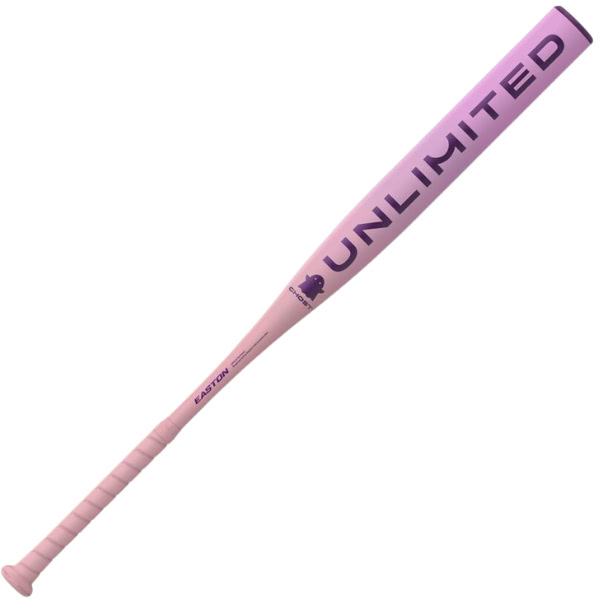
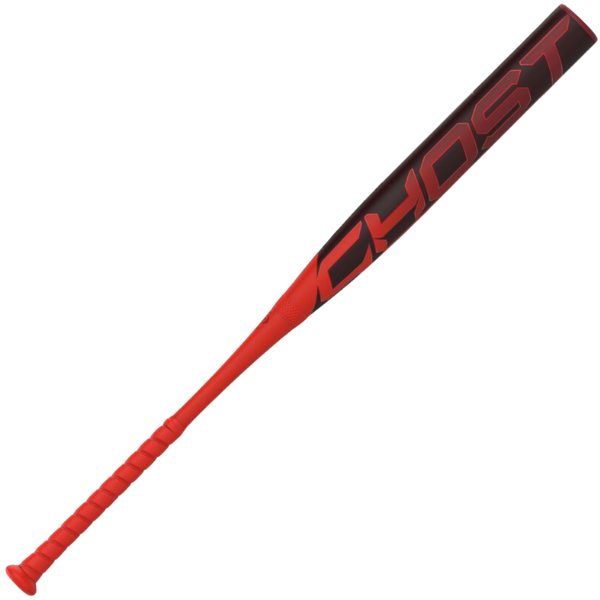
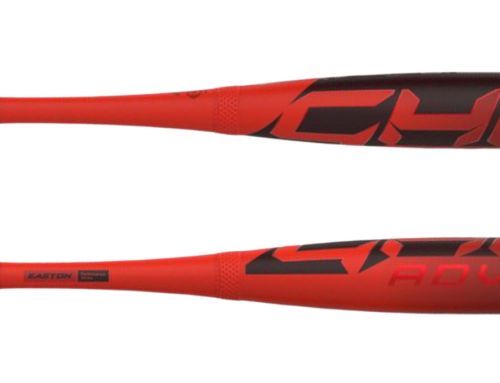
Easton
Ghost Unlimited
Exit Velo Focus
One-piece rigid construction with ultra-low compression barrel technology designed for immediate performance. The engineered stiffness at the connection transfers maximum force on center contact, rewarding clean mechanics and generating peak ball exit speeds.
Minimal break-in period means competition-ready performance from the first swing.

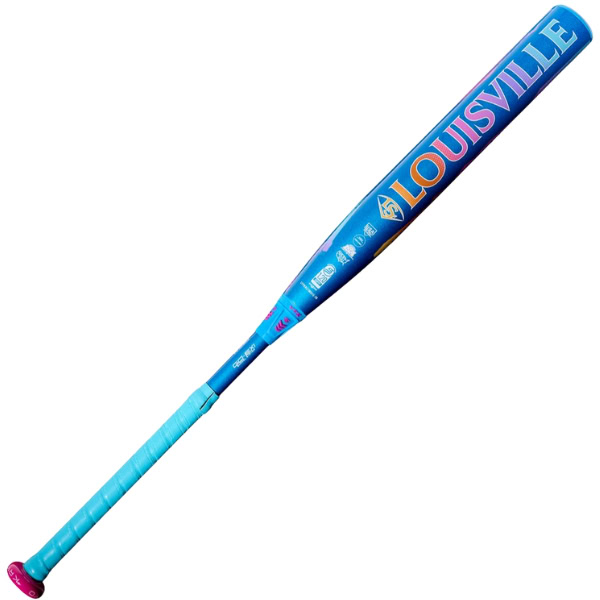
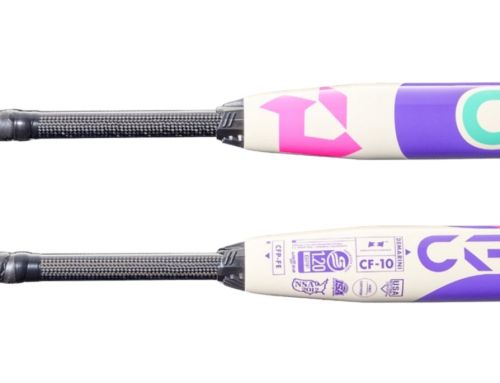
DeMarini
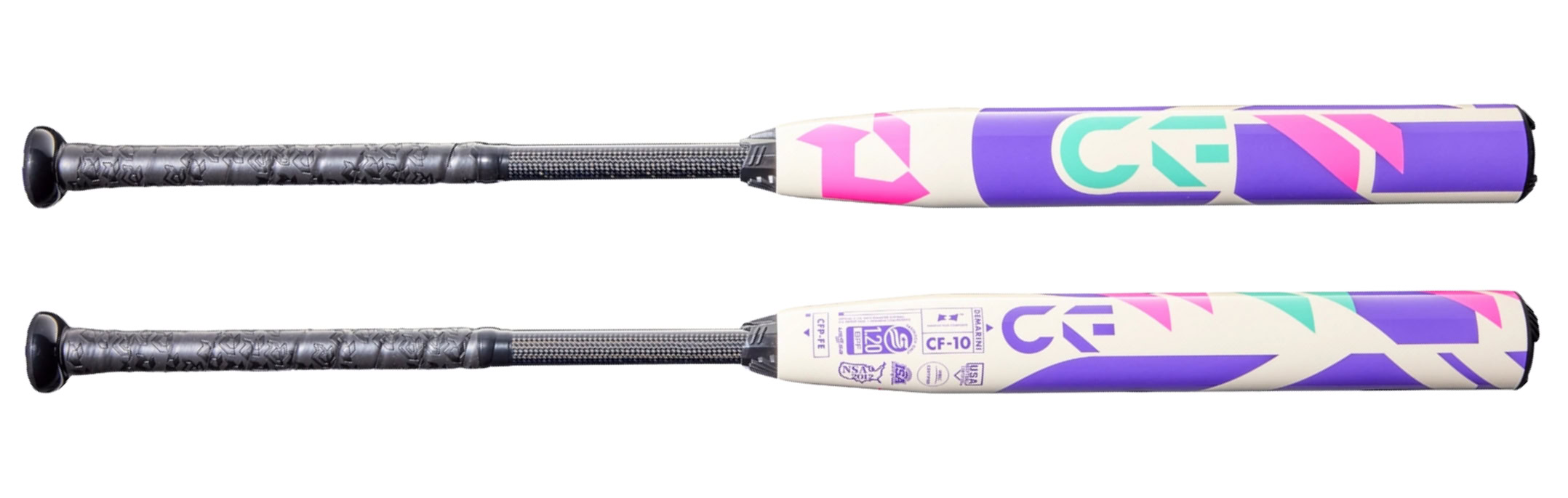
CF 2026
Contact Consistency
Two-piece composite design engineered for responsive feedback and forgiving contact quality. The refined connection system balances flexibility with control, creating a lighter swing weight that excels at accelerating through variable pitch locations. Extended break-in period develops premium performance across the barrel—ideal for hitters prioritizing placement and repeatability over maximum distance.
The Core Difference: One-Piece Stiff vs. Two-Piece Balanced
When you’re comparing a $500 bat to a $400 bat, and both show up in championship lineups, the difference isn’t about which one is “better”—it’s about which one fits how you swing.
The Ghost Unlimited does one thing: locks up the connection point so your energy flows straight into the barrel with zero loss. The CF does the opposite—lets the connection flex just enough to absorb sting and reward solid mechanics.
Easton’s approach (Ghost): One-piece construction. Nothing bends between your hands and the barrel. Everything you generate goes directly into the ball.
DeMarini’s approach (CF): Two-piece construction. The Type-V connection flexes on contact, dampening vibration and redirecting energy back into the barrel.
One’s not better. They’re just different answers to “What should this bat feel like?”.
Why the Ghost Unlimited Feels Stiff
The Easton Ghost Unlimited is Easton’s first one-piece fastpitch bat. That decision mattered.
One-piece construction means there’s no flex at a connection joint. Your body’s energy—hip rotation, arm extension, wrist snap—transfers straight through the bat into the barrel with zero absorption. In theory, you get maximum exit velocity on center contact because nothing is eating energy at a connection point.
The Sonic Comp Max barrel is Easton’s lowest-compression composite ever. Ultra-low compression softens the barrel and makes it more responsive right out of the wrapper. Here’s the tradeoff though: ultra-low compression barrels don’t last as long as moderate-compression designs. You get explosive performance now. The durability question comes later.
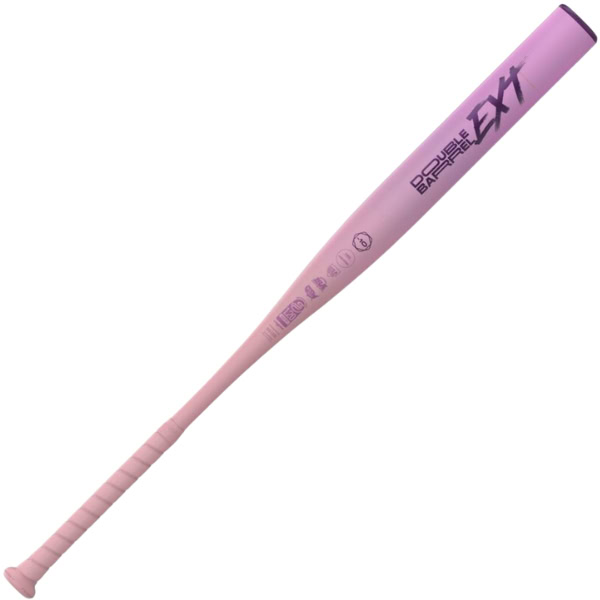
The Double Barrel EXT design extends the sweet spot about 1 inch longer than older Ghost models. The thinking: even if you don’t catch the ball perfectly centered, the extended barrel gives you one more chance. That matters for power hitters who make good but not perfect contact.
The VRS1 Internal Connection (yes, Easton hid a connection point inside a one-piece bat) is how they try to have it both ways. Stiffness on the outside where it counts, some vibration dampening on the inside. It’s clever, but don’t confuse this with the flex you get in a two-piece bat. The VRS1 is minimal—its only job is reducing hand sting, not creating the trampoline effect.
The Power Boost Soft Knob absorbs vibration at your bottom hand. This directly addresses the main complaint about one-piece bats: they sting hard on mishits. The knob helps. But let’s be honest—a one-piece bat will always sting more than a two-piece because there’s no connection joint to absorb that impact.
Out of the wrapper, the Ghost is instantly hot. Easton’s testing shows the ultra-low compression composite performs from swing one. Maybe 15–20 hits before it fully optimizes, but you’re not waiting 150 swings like the CF.
Why the DeMarini CF Feels Responsive and Forgiving
With the CF, DeMarini went the other direction entirely.
Two-piece construction means the barrel and handle can move slightly independent of each other at the connection joint. This flex does two things that matter:
On mishits: The connection absorbs vibration before it reaches your hands. After a 12-inning tournament day, your hands are fresher because the CF has been doing the damage control work for you.
On solid contact: The Type-V Connection actively pushes energy back into the barrel instead of letting it dissipate at your hands. You get better performance on pitches you actually catch cleanly.
The Paraflex Plus Composite Barrel is DeMarini’s premium barrel material. It’s consistent and durable—not ultra-low compression like the Ghost’s Sonic Comp Max. Moderate compression means a longer break-in period but better longevity once it reaches full potential.
The Type-V Connection (refined for 2026) sits where the barrel meets the handle. It uses strategically placed elastomeric material to dampen vibration while still moving energy efficiently. This is why the CF feels so different from a one-piece bat: the connection isn’t something Demarini tried to hide. It’s a working part of the design.
The Tracer End Cap is lightweight composite. DeMarini kept it minimal so the CF wouldn’t feel slow swinging through the zone. The result is a balanced bat that feels quick without feeling hollow.
The 0.800″ Handle has composite reinforcement. It dampens residual vibrations while still giving you clear contact feedback. You know exactly where you made contact—informative, not numb, not stinging.
Out of the wrapper, the CF is firm. That’s intentional. The composite resin needs 100–150 swings of progressive break-in before the barrel opens up and reaches peak responsiveness. This isn’t a flaw—it’s part of the design. The break-in conditions the resin structure and makes sure you get consistent peak performance, not just one hot week followed by decline.
Player Profiling: Which Bat Is Built for You?
Both bats are genuinely good. But they’re built for different players. Your job is figuring out which one fits your actual swing—not which one you want to swing or which one your teammate swings.
Easton Ghost Unlimited: The Power Hitter’s Bat
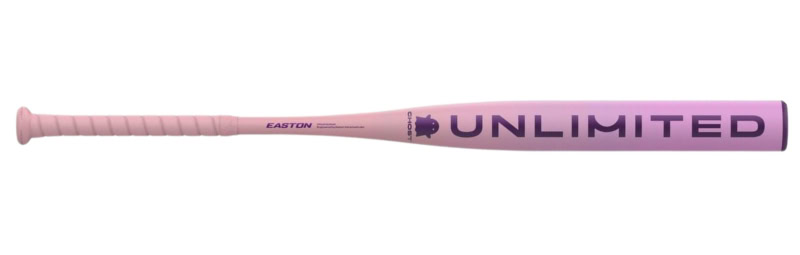
The Easton Ghost Unlimited was engineered for one type of player: controlled authority with maximum exit velocity.
Elite power hitters are the primary target. If you’re hitting 65+ mph exit velocity regularly, if your swing speed hits 70+ mph, and if you have the rotational strength to handle a heavier bat without losing bat speed, the Ghost’s one-piece stiffness is for you. Direct energy transfer actually works when your mechanics support it.
Annual upgraders and tournament-level players with high swing volume love the Ghost. If you’re putting 500+ swings on a bat per season (cage + practice + games), the Ghost’s immediate performance means no break-in wait. Buy it in spring, swing it all season, get competitive advantage now, upgrade next fall. The one-year performance window is a feature, not a bug.
Stronger or physically mature players stepping into -8 or -9 drops benefit from Ghost’s end-loaded options. The -8 gives you maximum barrel mass if you have the strength to swing it at full speed. Added weight pays off only if you can maintain elite bat speed while doing it.
High-level competitive players who consistently make center-barrel contact prefer the Ghost’s feedback. You don’t need forgiveness—you need connection. A one-piece bat tells you instantly whether you caught it flush or just-off. That feedback loop is valuable when your contact is already solid; it helps you optimize within the zone you’re already hitting.
Athletes who refresh equipment yearly instead of stretching gear across multiple seasons find the Ghost’s model appealing. You’re optimizing for this season, then moving on.
The Ghost doesn’t hide anything. If your mechanics are sound, you feel the full benefit. If mechanics break down, the bat won’t compensate. That’s honest equipment.
DeMarini CF: The Contact Hitter’s & Slapper’s Bat
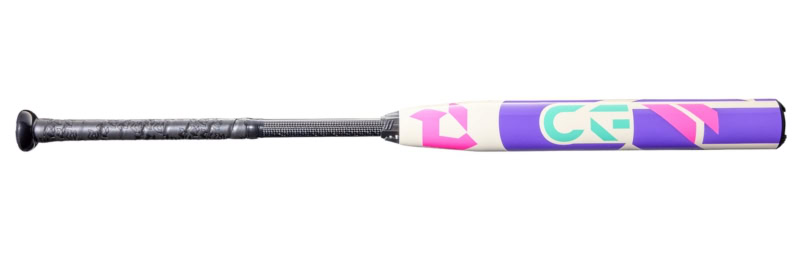
This bat was designed for one type of player: timing and barrel control across multiple zones.
Slappers are the primary target, and that makes sense. Slappers execute their technique while moving toward first base, so bat speed is non-negotiable. The DeMarini CF’s lightweight swing weight and balanced mass distribution mean the barrel arrives at contact without delay. The Type-V Connection provides immediate feedback—slappers need to feel contact in real time to adjust approach between pitches. The CF delivers that.
Contact hitters with quick hands thrive with the CF. If your approach is meeting the ball out front, working counts, and putting the ball in play with authority—not trying to homer—the CF’s responsive barrel and low moment of inertia reward that game. You get carry on solid hits without needing to overpower the zone.
All-around hitters (the most common profile at competitive levels) gravitate toward the CF. You’re not purely power; you’re not purely contact. You work all fields, you hit for average and gap power, and you want a bat that doesn’t force you to choose between speed and authority. The CF’s balanced design fits that profile perfectly.
Smaller-framed or younger players stepping up in drop weights find the CF’s lightness easier to repeat swing mechanics. You’re not fighting excess barrel mass; you’re developing consistency. A -10 or -11 CF handles quicker than a -10 or -11 Ghost.
Multi-year equipment buyers appreciate the CF’s durability story. You’re buying a bat you’ll swing for two seasons. You want it to hold up. The CF’s proven durability track record makes that realistic with proper care.
Players developing their swing benefit from the CF’s honest feedback. The bat rewards solid mechanics and doesn’t mask problems. That’s a feature for development—you know immediately what needs work.
Technical War Room
Peak Exit Velo
Ghost leads by 2-3 MPH on center contact. CF excels on off-barrel hits.
Quick Reference Specs
DeMarini CF 2026
Easton Ghost Unlimited
Performance Edge

Break-In, Durability & Real-World Performance
Break-In Timeline
Ghost Unlimited: 150–200 swings to optimize. You can move directly to game intensity. The ultra-low compression is responsive immediately; break-in is refinement, not a necessity.
DeMarini CF: 150–200 swings minimum. The composite resin needs time to loosen. Swings 1–50 should be tee work (controlled); swings 51–100 soft toss; swings 101–150 front toss or cage work. After 150, fully game-ready.
This difference matters for seasonal timing. Buy a Ghost in April, you’re competing immediately. Buy a CF in April, and you need two weeks of break-in before full performance. Plan accordingly.
Durability & Lifespan
Ghost Unlimited Durability:
The Sonic Comp Max barrel is durable within its design parameters. Easton’s engineering has improved one-piece bat longevity significantly compared to earlier Ghosts. Modern Ghost bats hold up well through a single heavy season.
Peak performance window: ~12 months with 500+ swings/season.
After 500+ swings, you’ll notice a measurable decline. The ultra-low compression composite fatigues. It’s not broken; it’s just past peak.
Real-world test: A player swinging a Ghost hard all season (April–August + fall tournaments) will feel a performance difference by October. A second season of heavy use will show further decline.
Durability advantage: Buy new from authorized dealers. Easton’s warranty is excellent—if your Ghost fails prematurely, you’re protected. Avoid used Ghosts; composite fatigue is cumulative, and you lose warranty coverage.
DeMarini CF Durability:
The Paraflex Plus barrel has a proven track record across five+ years of CF model iterations. Two-piece construction, moderate compression—these choices prioritize sustained performance over peak-performance-right-now.
Peak performance window: 18–24 months with light-to-moderate use (300–400 swings/season).
With proper care, a CF can sustain competitive performance into a second season even with normal tournament use. That’s a real durability advantage if you’re calculating cost-per-season.
Real-world test: A player swinging a CF during spring, summer, and light fall play will have a consistent bat for both seasons. A second season of the same moderate use shows minimal performance decline.
Durability advantage: Better long-term ROI. If you’re not a heavy hitter (500+ swings/season), the CF is the smarter investment. Two years of $399 divided by two seasons = $200/season. Ghost at $500 divided by one season = $500/season.
Maintenance Matters More Than Brand
Both bats will last longer with proper care:
- Store in a temperature-controlled space. Extreme heat softens the composite; extreme cold can cause micro-fractures. A garage that swings 40–100°F is harder on a bat than a climate-controlled closet.
- Avoid rolling and shaving. These void your warranty and accelerate barrel fatigue.
- Use a bat bag for transport. Don’t let your bat roll around loose in an equipment bag.
- Rotate the barrel occasionally. Even after a break-in, periodic rotation maintains even responsiveness.
- Check your grip regularly. A worn grip causes the bat to rotate in your hands, creating uneven stress on the barrel.
Technical Breakdown: Barrel Tech & Break-In Reality
Ghost Unlimited: Ultra-Low Compression, Instant Hot

The Sonic Comp Max barrel is Easton’s statement: “We want this bat performing at max legal limit immediately.”
Ultra-low compression means the barrel is softer, more responsive to impact, and delivers higher exit velocities from day one. Testing shows the 2026 Ghost hits 5+ mph harder than comparable composite designs on pure contact. That’s meaningful.
Break-in for the Ghost Unlimited:
Easton recommends 15–20 rotation swings on a tee or soft toss to fully optimize. You’re not waiting for the composite resin to loosen; you’re conditioning the barrel evenly. Use regulation leather softballs, not dimple balls. Rotate the bat a quarter-turn after every 5–10 swings to ensure the sweet spot develops uniformly.
After about 150–200 swings, the bat is game-ready. You can jump straight to live pitching, tournament play, or full-cage intensity. There’s no waiting.
The tradeoff: Ultra-low compression barrels have a shorter performance lifespan. Peak performance is sustained for roughly one heavy-use season (500+ swings). After that, composite fatigue becomes measurable. Year two, you’ll notice a decline in pure pop. This isn’t a defect—it’s physics. High compression = longevity. Low compression = peak performance now.
DeMarini CF: Moderate Compression, Requires Patient Break-In

The Paraflex Plus barrel represents DeMarini’s philosophy: “We want this bat performing at a high level for multiple seasons.”
Moderate compression means the composite resin is wound tighter during manufacturing. It takes longer to loosen, so break-in is slower. But once broken in, the barrel sustains performance across 2+ seasons with light-to-moderate use.
Break-in for the DeMarini CF:
Plan 100–150 swings minimum before the barrel reaches peak responsiveness. Here’s the coach approach:
- Swings 1–50 (tee work): Hit off a tee, rotating the barrel a quarter-turn after every 10 swings. Focus on consistent mechanics, not exit velocity. This establishes even compression.
- Swings 51–100 (soft toss): Graduate to soft toss to introduce variability without unpredictability. Keep rotating the barrel every 10 swings.
- Swings 101–150 (front toss, live cage): Move toward higher intensity. The barrel is loosening visibly now. You’ll feel it—more pop, crisper contact feedback.
- After 150 swings: Game-ready. Fully broken in. Peak performance unlocked.
Out of the wrapper (first 30–50 swings), the CF will feel firm and slightly underwhelming compared to the Ghost. Players often ask, “Is this normal?” Yes. This is intentional. Patience wins.
The advantage: Once broken in, the CF performs consistently across 2+ seasons with normal use. Light-to-moderate hitters (not 800+ swings/year) can expect 18–24 months of peak performance. That’s genuine value.
Swing Weight Table: Advanced vs CF
| Aspect | Ghost Unlimited | DeMarini CF |
|---|---|---|
| Swing Weight Feel | Balanced-to-Loaded (by drop) | Balanced (all drops) |
| Moment of Inertia (MOI) | Higher (stiff, resists rotation) | Lower (responsive, quick) |
| Acceleration Through Zone | Controlled (requires bat speed) | Quick (minimal resistance) |
| Solid Contact Feel | Connected, stiff, direct feedback | Responsive, flexible, clean feel |
| Mishit Sensation | Vibration present, clear feedback | Dampened, forgiving, minimal sting |
| Barrel Arrival Speed | Slightly delayed (heavier mass) | Quick (lighter swing weight) |
| Hand Comfort (Full Game) | Minor vibration buildup | Minimal hand fatigue |
Hitter Profile Comparison Table
| Hitter Profile | Winner | Why |
|---|---|---|
| Power Hitter (65+ exit velo, 70+ bat speed, strong mechanics) |
Ghost Unlimited | One-piece stiffness + direct energy transfer maximizes exit velocity when you catch it flush |
| Contact Hitter (high contact rate, all-field approach, bat control focus) |
DeMarini CF | Two-piece flexibility + responsive barrel rewards consistent mechanics without demanding power generation |
| Slapper (angled contact, ultra-quick bat speed required) |
DeMarini CF | Lightweight swing weight + responsive connection provides immediate feedback slap technique demands |
| Gap Hitter (doubles/triples focus, balanced approach) |
DeMarini CF | CF's design targets all-field consistency; Ghost's power ceiling is wasted on this profile |
| Annual Upgrader (500+ swings/season, seasonal replacement) |
Ghost Unlimited | One-year performance window aligns with upgrade cycle; immediate hot performance means no break-in wait |
| Multi-Year Equipment Buyer (2-season lifespan goal) |
DeMarini CF | Better durability story; break-in investment pays off across two seasons of use |
| Youth/Smaller Frame (weight-sensitive development) |
DeMarini CF | Lighter swing weight supports proper mechanics without forcing early fatigue |
| Cold-Weather Player (below 60°F regular use) |
DeMarini CF | Two-piece composite handles temperature shifts better than ultra-low compression design |
Sweet Spot Analysis
Where each bat performs best and how contact location affects performance
What This Means for Your Game
Choose Ghost if:
- You prioritize maximum exit velocity
- You want forgiveness on off-barrel hits
- You're a power hitter with strong mechanics
- You value barrel coverage on pitches
Choose CF if:
- You want immediate contact feedback
- You're developing swing consistency
- You're a contact or slap hitter
- You value precision over power ceiling
Common Myths, Busted
Myth: "The Ghost is better because it's more expensive."
Price doesn't equal superiority. Manufacturing complexity does. The Ghost costs more because one-piece composite design is technically harder to build than two-piece. That's it. The CF is a legitimately superior choice for contact hitters and slappers. A $399 bat engineered for your swing profile will outperform a $500 bat engineered for the opposite profile every time. Buy based on fit, not price tag.
Myth: "The Ghost is hot out of the wrapper; the CF isn't—so the Ghost is better."
Different design philosophy, not better/worse. The Ghost prioritizes immediate usability—buy it, swing it, compete. The CF prioritizes sustained performance—invest the break-in, get 2+ seasons of consistent use. If you're an annual upgrader, the Ghost's immediate performance is genuinely valuable. If you're keeping the same bat for two seasons, the CF's patient break-in pays off.
Myth: "One-piece bats are always stiffer and hurt more on mishits."
The Ghost Unlimited is one-piece with an internal flex point (VRS1) and a soft knob designed to reduce vibration. It's not a traditional one-piece experience. You'll still feel mishits more than with a two-piece (physics), but Easton engineered the Ghost to minimize that particular complaint. The Power Boost Knob makes a measurable difference.
Myth: "The CF's long break-in means it's less durable."
Break-in time and durability are separate things. A longer break-in just means the composite resin is wound tighter initially. That tighter structure actually supports longer lifespan. CF owners regularly report sustained performance across multiple seasons. That's not a myth—that's what's actually happening. The patient break-in investment creates a more resilient bat.
Common Questions Answered
The Verdict: Making Your Equipment Decision
Both are genuinely elite fastpitch bats. Both show up in championship lineups. Both perform reliably at competitive levels. The choice is pure fit, not specs.
The Easton Ghost Unlimited is built for power hitters. It respects swing speed, strength, and the ability to generate exit velocity through direct energy transfer. One-piece construction, immediately hot, one-year performance window.
The DeMarini CF is built for contact hitters. It respects timing, barrel control, and the ability to generate authority through consistent mechanics. Two-piece construction, patient on break-in, built for multi-season sustained performance.
Here’s the honest truth: You can’t go wrong if you match the bat to your profile. The worst outcome is buying whichever one doesn’t fit your swing. The best outcome is understanding your hitting identity and picking the equipment engineered for that identity.
Still torn? Take our bat finder. It will walk you through the profile assessment and point you toward the bat that will perform best for you, not for your teammate or your preferred brand.
The choice is yours—and it’s the right one when it actually matches your swing.
Similar Products