How to Match a Fastpitch Bat
to Your Hitting Style
Not every bat fits every hitter. A coach-level breakdown of which barrel design, swing weight, and connection system fits how you actually play.
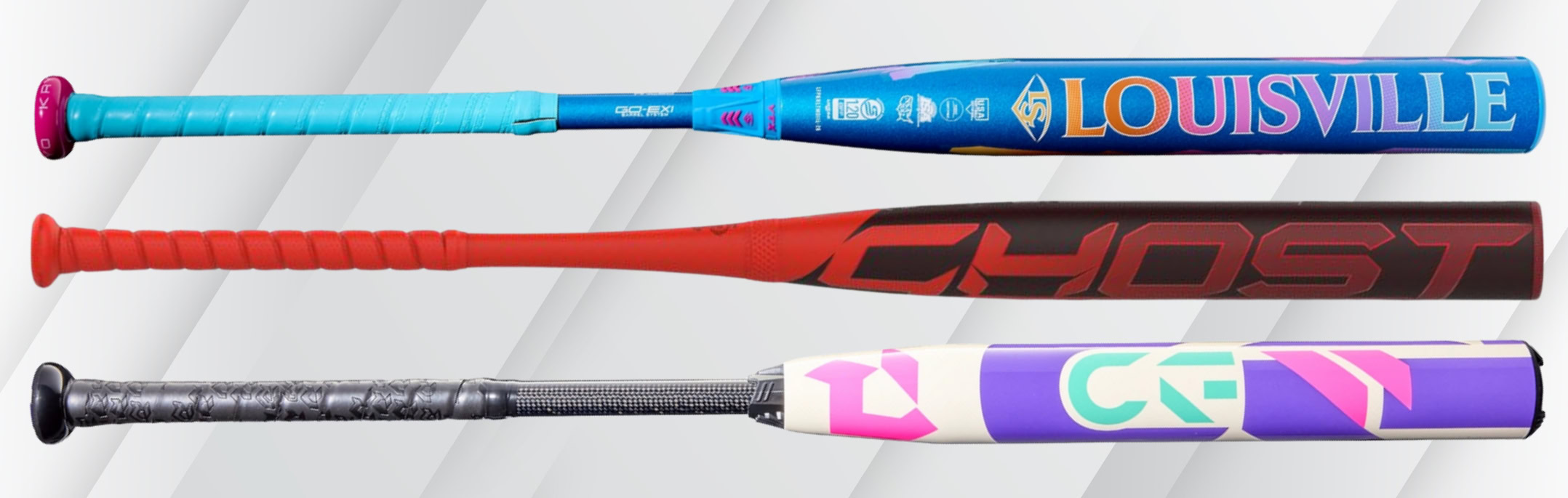
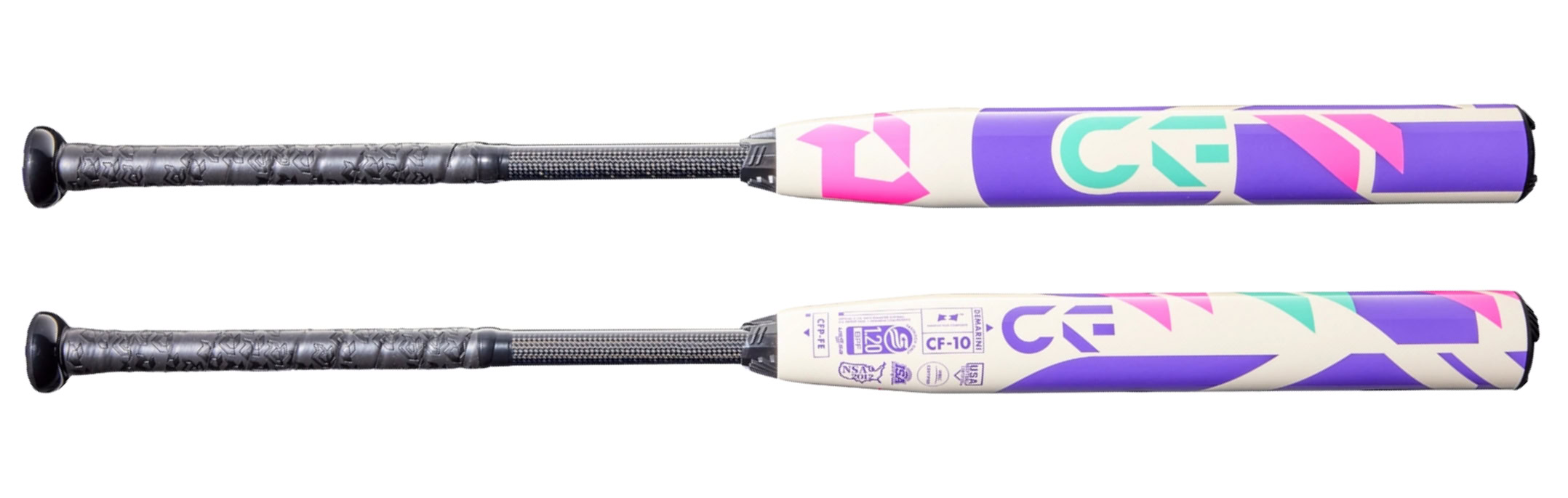 DeMarini CF
Contact Hitter
DeMarini CF
Contact Hitter
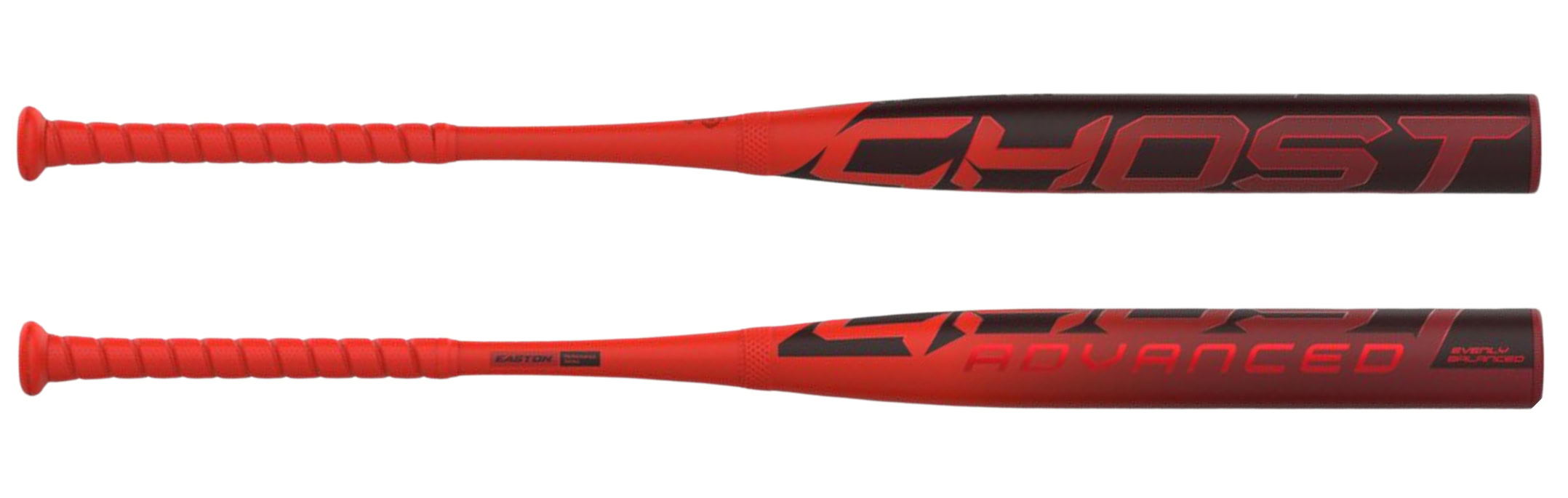 Easton Ghost Advanced
Power Hitter
Easton Ghost Advanced
Power Hitter
 DeMarini Prism+
Slapper
DeMarini Prism+
Slapper
 Louisville Slugger LXT
Contact / Gap
Louisville Slugger LXT
Contact / Gap
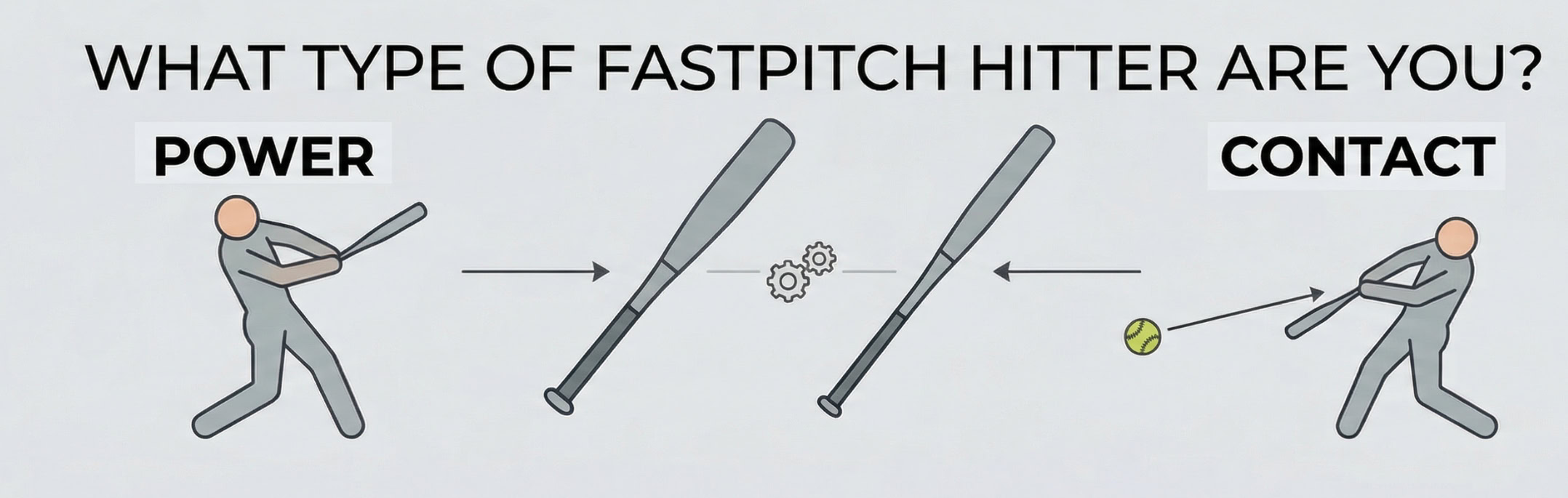
Matching a fastpitch bat to your hitting style means selecting barrel design, swing weight, and connection system based on how you actually hit, not brand or price alone. Contact hitters need balanced swing weight and a forgiving barrel. Power hitters benefit from end-load, but only when their mechanics support it. Slappers require light MOI and a responsive connection. Get the match wrong and even a $400 bat will work against you.
Quick Takeaways
Contact hitters need balanced swing weight and a forgiving barrel, not necessarily the highest-priced bat on the rack.
Power hitters benefit from end-load, but only when their mechanics can sustain bat speed with extra barrel mass.
Slappers should never use end-loaded bats. The physics actively work against their swing timing and footwork.
Gap hitters are the most versatile profile, but a stiff connection can cost them on outside-corner contact.
The wrong bat for your style creates bad habits your mechanics will fight all season long.
You spend $400 on a bat your teammate swears by. She hits gap shots to left-center every game with it. You step in, take your swings, and spend the next three months fighting the weight, losing bat speed, and wondering why the ball keeps dying off the barrel. The bat was not bad. It was built for a different kind of hitter.
This is one of the most common and most expensive mistakes in competitive fastpitch softball. Most buying guides sort bats by price tier and brand reputation. Almost none start with the question that actually matters: what kind of hitter are you, and what does that profile demand from a bat?
After two decades coaching fastpitch at the travel ball and high school level, the single biggest equipment error I see is players buying bats based on what works for someone else. Swing weight, barrel architecture, and connection system all interact with your mechanics in ways that either amplify or fight your natural approach at the plate.
Our guide to choosing a fastpitch softball bat puts it plainly: fit matters more than hype. Barrel technology is only meaningful when the bat's weight and swing balance actually match your mechanics.
The Four Hitter Profiles in Competitive Fastpitch
A bat is a performance tool that interacts directly with your mechanics at the moment of contact. When the specs align with how you swing, the bat amplifies what you already do well. When they do not, the bat introduces mechanical inefficiency your body tries to compensate for all season.
A contact hitter using an end-loaded bat is a textbook equipment mismatch. The extra barrel mass pulls the barrel slightly behind the intended path. You start casting the hands or dropping the back shoulder to compensate. What began as a wrong bat choice has introduced a mechanical flaw that follows you through the lineup.
Contact Hitter
Prioritizes putting the ball in play across all locations. High contact frequency means more mishits to manage. Needs a forgiving sweet spot over a long season.
Balanced · -10 or -11Power Hitter
Generates authority through rotational strength. Can sustain bat speed with added barrel mass. Lineup role rewards exit velocity over average.
End-loaded · -8 or -9Slapper
Combines bat control with first-step speed. Swing executes while the body moves toward first. Timing precision is the entire technique.
Light MOI · -11 or lighterGap Hitter
Works all quadrants of the plate. Produces authority on pitches across the zone. Needs consistent energy transfer regardless of contact location.
Balanced or slight end-bias · -9 or -10The Contact Hitter's Bat
Contact hitters need a balanced swing weight, a wide and forgiving sweet spot, and a connection system that dampens vibration on off-center hits. These three specs protect bat path consistency and reduce the mechanical cost of the high-frequency contact volume that defines this hitting style.
Balanced, forgiving, and built for consistent contact
The 2026 DeMarini CF is the clearest current example of a contact-first bat done right. The Type V CF Connection redirects energy into the barrel on solid hits while absorbing what would otherwise translate as sharp sting on mishits. The Paraflex Plus barrel delivers a forgiving sweet spot that rewards accurate contact across multiple pitch locations, not just dead center.
Read full CF review →Balanced Swing Weight and Why It Protects Bat Path
A balanced bat distributes weight evenly from knob to end cap. The result is a neutral feel through the zone that allows faster hands and better barrel path control. For contact hitters, this is not a compromise. It is the right tool for the job.
When a contact hitter swings a balanced bat, the barrel follows the hands rather than pulling ahead. An end-loaded bat disrupts that relationship by adding resistance at the barrel the hands have to overcome before the path can establish.
Why Sweet Spot Size Matters More Than Barrel Stiffness
A larger sweet spot is worth more to a contact hitter than raw barrel stiffness or maximum compression. Contact hitters are not trying to crush the ball on every swing. They are trying to put the ball in play with authority, consistently, across a full lineup slot. Barrel designs using continuous fiber construction or multi-layer composite with calibrated wall thickness extend the sweet spot toward both the barrel throat and end cap. Pitches caught slightly inside or off the end still carry to the outfield gaps.
Connection System: What Vibration Dampening Does
Contact hitters generate more mishit feedback over a season than any other profile. A connection system that absorbs vibration is not just about comfort. It protects the mechanical confidence that allows a contact hitter to stay short to the ball without flinching on inside pitches. Our Louisville Slugger LXT review covers another strong option that has earned its contact-hitter reputation season after season.
What is the best fastpitch bat for a contact hitter?
The best fastpitch bat for a contact hitter is a balanced, two-piece composite in a -10 or -11 drop with a wide sweet spot and a vibration-dampening connection system. The 2026 DeMarini CF and the Louisville Slugger LXT are the two most consistent performers in this category. Both reward accurate contact across multiple pitch locations without demanding dead-center hits to produce carry.
End-load is earned,
not assumed.
The most common power-hitter mistake in fastpitch: moving to an end-loaded bat because it sounds right, not because mechanics support it. If swing speed drops with the added barrel mass, exit velocity drops too. The physics don't care about intentions.
The Power Hitter's Bat
Power hitters benefit from end-loaded bats because the extra barrel mass increases momentum at contact, translating into higher exit velocity on well-struck pitches. But end-load is only a performance advantage when the player's mechanics can sustain bat speed with that additional weight out front.
Built for players who hit with authority
The 2026 Easton Ghost Advanced (-8) is among the best end-loaded options in the power hitter's market. Its Double Barrel composite construction pushes barrel compression to the maximum allowable limit, delivering explosive energy transfer when mechanics support it. If your rotational strength has developed to the point where a heavier barrel doesn't slow your path, this is where exit velocity gains become real.
Browse power hitter options →The Drop Weight Question for Power Hitters
Our fastpitch bat drop weight guide covers this in depth. The practical version: a -8 is a heavy-swing, end-loaded bat that should be a deliberate step with clear mechanical evidence. A -9 is a reasonable middle ground for power hitters moving up from -10. A -10 end-loaded is often the smartest entry point, letting you feel the barrel weight change without the full commitment of a -8. The goal is the heaviest bat you can swing at full speed from first pitch to last out.
A true power hitter using a bat that is too light through the zone loses the transfer of momentum that makes an end-loaded design valuable. The barrel comes through fast, but there is not enough mass behind it to generate the exit velocity their mechanics are capable of producing.
One-Piece vs. Two-Piece for Power Profiles
One-piece construction delivers direct energy transfer at contact because there is no flex at a connection point. For power hitters with consistent mechanics, this is a real advantage. The 2026 DeMarini Lotus takes a different approach: two-piece construction with the Dark Matter Composite barrel and dual Damplify vibration system. It delivers power hitter performance with better durability and a wider usable sweet spot than a traditional one-piece. For players who want power output without sacrificing every off-center hit, it is worth a close look.
Do power hitters in fastpitch actually need an end-loaded bat?
Not automatically. Power hitters benefit from end-load when their mechanics support the extra barrel mass without losing bat speed. The right question is whether a player generates higher exit velocity with end-load than without it. If the answer is yes, end-load earns its place. If swing speed drops noticeably, a balanced bat at a lower drop weight will produce better results.
The Slapper's Bat
Slappers need the lightest available swing weight in a balanced design, with a connection system that provides responsive, immediate feedback. The slap swing executes while the hitter is already in motion toward first base. Any unnecessary mass in the barrel delays arrival at the contact point, which disrupts the timing the entire technique depends on.
Light, responsive, and built for timing precision
The 2026 DeMarini Prism+ in -11 is one of the better current slapper bats on the market. The continuous fiber barrel has no seams or dead zones, delivering consistent response on the angled contact the slap technique produces. The Type-V connection gives immediate feedback without the heavy dampening that mutes contact information slappers need to adjust in real time.
Read full Prism+ review →Why MOI Matters More for Slappers Than Any Other Profile
MOI (moment of inertia) describes how the bat's mass distribution affects swing resistance. A low-MOI bat moves quickly with minimal resistance. Slappers need low MOI because the slap technique generates power through bat angle and foot speed, not rotational force and mass. A bat even a half-ounce too heavy will routinely produce late contact, and late contact for a slapper is a foul ball or a weak ground ball to the pull side.
End-loaded bats are not a tool slappers can adjust to with practice. The physics work against the technique. An end-loaded bat shifts mass toward the barrel, increasing MOI. The barrel arrives late. The contact angle changes. The grounded, directional ball a slapper is trying to produce becomes inconsistent because the bat is fighting the swing rather than flowing through it.
What bat should a slapper use in fastpitch softball?
A slapper should use a balanced, two-piece composite in a -11 drop with low MOI and a connection system that delivers clear contact feedback. End-loaded bats are not suitable for slappers at any drop weight. The 2026 DeMarini Prism+ in -11 and the Louisville Slugger LXT in -11 are both well-matched to the timing and contact demands of the slap technique.
The Gap Hitter's Bat
Gap hitters live in the widest part of the fastpitch bat market. Their profile sits between contact and power, meaning the best bat tends to be a balanced or slightly end-biased two-piece composite with barrel architecture that rewards consistent, all-field contact.
All-field production from gap line to gap line
The Louisville Slugger LXT is consistently one of the best choices for gap hitters who work the whole field. The PBF Speed Composite barrel and VCX3 connection allow independent barrel-handle movement, keeping the barrel on plane through outside-corner contact where gap hitters produce their most valuable hits. It does not deliver the peak power ceiling of an end-loaded design, but consistent authority to all fields is the metric that matters most for this profile.
Read full LXT review →Barrel Architecture: Gapped Wall vs. Continuous Fiber
Gapped wall barrel designs use an inner and outer wall to create a trampoline effect at contact. When the outer wall flexes inward and rebounds, it returns energy to the ball across a wide contact zone, which is a natural fit for gap hitters working pitches to all fields. Continuous fiber barrels deliver consistent response with no dead zones and a clean, reliable feel. Both designs can work well for gap hitters. The choice often comes down to how a specific bat performs on outside-corner contact, which is where gap hitters produce the hits that matter most.
Start balanced and only add end-bias if exit velocity data or consistent observation shows the player is leaving power on the table. The 2026 Rawlings Mantra is a strong gap hitter option: its reconstructed F2 Collar and Three-Step Inner Barrel deliver off-sweet-spot forgiveness at a price point $50–$100 below the Ghost Advanced.
Our composite vs. alloy breakdown also notes a relevant tradeoff: if you are a gap hitter who plays in cold climates or early spring conditions, alloy is worth considering as a secondary bat for the early weeks when composite barrels have not yet reached their performance ceiling.
Cross-Profile Bat Specs
Use this as a starting point. Always test bats against your actual swing before committing at $350–$500.
| Hitter Profile | Swing Weight | Barrel Design | Connection | Drop Range | 2026 Example | |
|---|---|---|---|---|---|---|
|
Contact Hitter | Balanced | Wide sweet spot, multi-layer composite | Vibration dampening (two-piece) | -10 or -11 | DeMarini CF, LXT |
|
Power Hitter | End-loaded | High-compression, max energy transfer | Rigid or one-piece preferred | -8 or -9 | DeMarini Lotus, Ghost Advanced -8 |
|
Slapper | Balanced (low MOI) | Continuous fiber, no dead zones | Responsive, low dampening | -11 or lighter | Prism+ -11, LXT -11 |
|
Gap Hitter | Balanced or slight end-bias | Gapped wall or continuous fiber | Two-piece with flex through zone | -9 or -10 | Rawlings Mantra, DeMarini CF |
Common Questions Answered
Not automatically. A heavier bat increases momentum at contact, but only if the player can maintain swing speed with the added weight. If a heavier bat reduces bat speed, exit velocity drops and the ball travels shorter distances than it would with a lighter, faster swing. The optimal weight is the heaviest bat a player can swing at full speed through the entire zone, from first pitch to final out.
Technically yes, but it is rarely the right choice. A -8 bat is heavier and typically end-loaded, which increases MOI and demands more rotational force to maintain bat speed. Contact hitters rely on quick hands and bat path control. A -8 design tends to slow the barrel through the zone and reduce consistency on pitches across multiple locations. Read our full drop weight guide for a complete breakdown by level and profile.
MOI stands for moment of inertia. In bat terms, it describes how much resistance the bat creates as it rotates through the swing. A higher MOI bat feels heavier to swing, even at the same drop weight, because more of its mass is distributed farther from the handle. End-loaded bats have higher MOI than balanced bats at the same specifications. Slappers and contact hitters generally benefit from lower MOI; power hitters can take advantage of higher MOI when their mechanics support it.
Cold weather stiffens composite fibers, reducing the trampoline effect and lowering performance. This is especially relevant for contact hitters and slappers who rely on consistent barrel response. In temperatures below roughly 60°F, an alloy bat is a more reliable option regardless of hitting style. Our composite vs. alloy guide covers this tradeoff in full.
Not for every hitter. Two-piece bats reduce vibration on mishits and allow barrel flex at contact, which benefits contact hitters, slappers, and gap hitters. One-piece bats deliver more direct energy transfer, which power hitters with consistent mechanics can use to generate higher exit velocity. Visit our full bat review library to compare specific models side by side.
Related Guides & Reviews
Best Fastpitch Softball Bats 2026
Our top picks across every profile and budget.
Fastpitch Bat Finder
Answer four questions. Get a personalized bat recommendation.
Bat Drop Weight Explained
-8, -9, -10, -11: which drop is right for you?
Composite vs. Alloy
Cold weather, break-in, durability, price: the real tradeoffs.
Best Bats for Contact Hitters
Our ranked list of the top contact-hitter composites.
Best Bats for Power Hitters
Ranked end-loaded options for cleanup hitters.
USA Softball Approved Bat List
Confirm legal certifications before you buy.
NFHS Softball Rules
High school equipment regulations and bat standards.