What Type of Fastpitch
Hitter Are You?
Before you pick a bat, you need an honest answer to this question. A 20-year coach breaks down the four profiles, five diagnostic signals, and exactly what each profile demands from a bat.
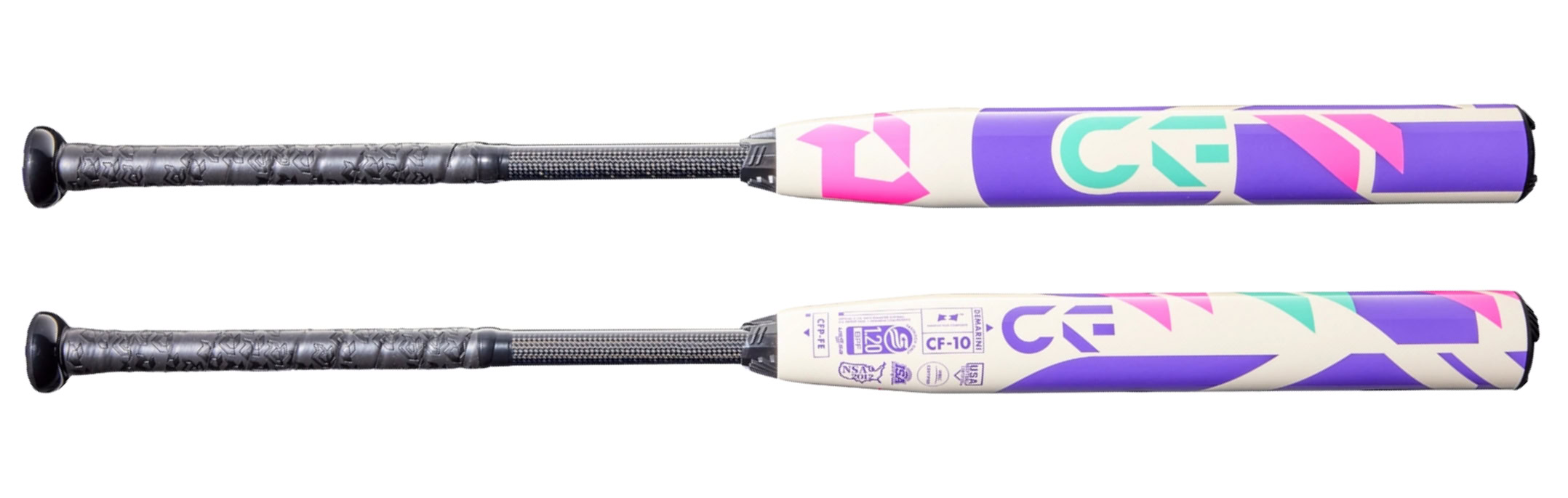 DeMarini CF
Contact Hitter
DeMarini CF
Contact Hitter
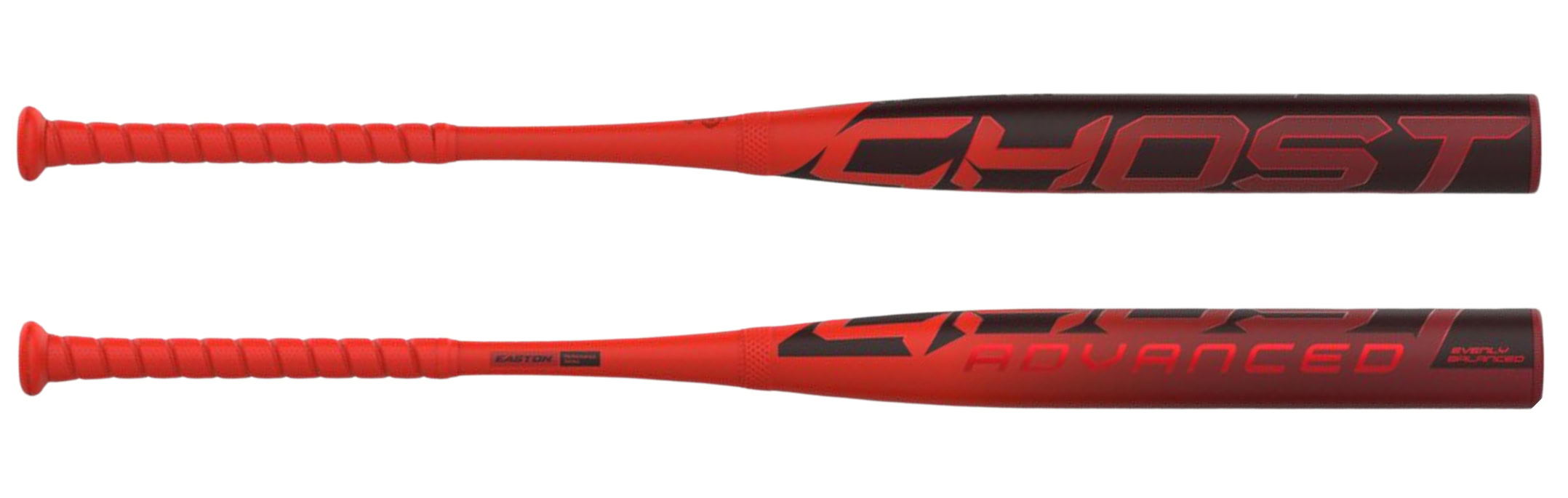 Ghost Advanced
Power Hitter
Ghost Advanced
Power Hitter
 DeMarini Prism+
Slapper
DeMarini Prism+
Slapper
 Louisville Slugger LXT
Gap Hitter
Louisville Slugger LXT
Gap Hitter
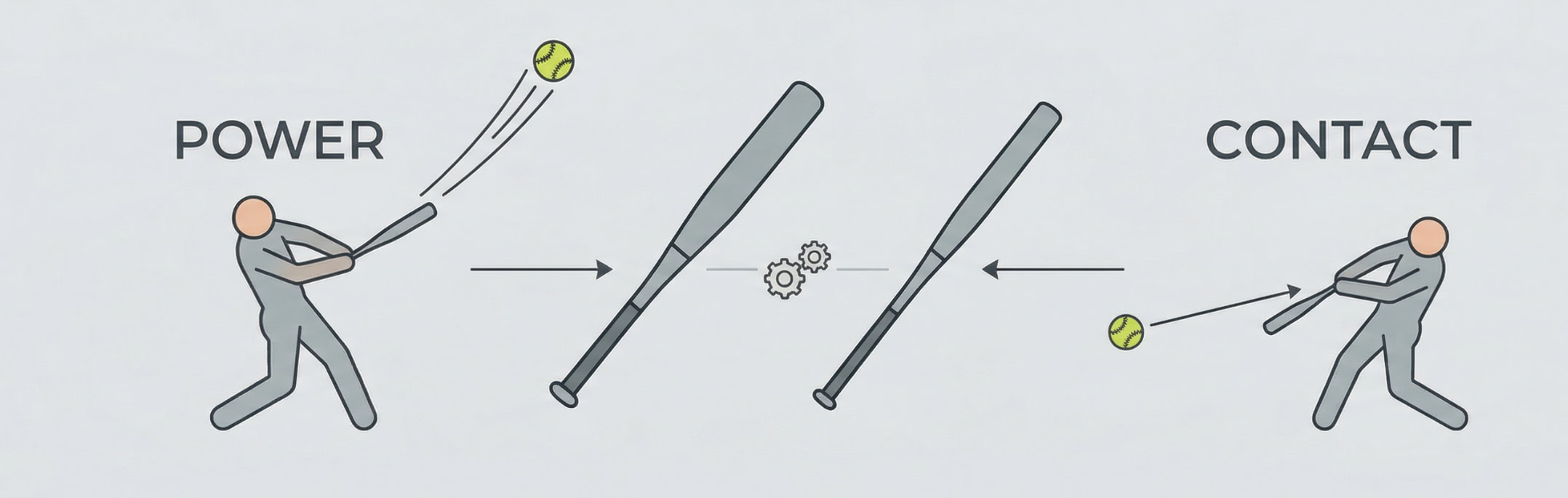
Your fastpitch hitting profile determines which bat specs actually serve your game. Contact hitters need balanced swing weight and a forgiving barrel. Power hitters need end-load they can sustain. Slappers need light MOI and a responsive connection. Gap hitters need all-field barrel performance. Use the five diagnostic signals and self-assessment below to identify your profile before you buy.
Quick Takeaways
Most players have a dominant profile. Identifying it honestly is more useful than any spec sheet.
Your profile is about what you do most consistently at the plate, not what you do at your best.
Bat speed, contact rate, and spray chart together tell the real story — not your self-image.
Hybrid profiles exist. When in doubt, default to the profile that fits the majority of your at-bats.
Your profile can shift across a season as mechanics develop. Reassess before you buy next year's bat.
Most players pick a hitting profile based on who they want to be, not who they actually are at the plate right now. A developing 14U travel player who drives the ball occasionally calls herself a power hitter. A high school gap hitter who occasionally gets jammed starts swinging a contact-first bat. Neither is making a decision grounded in honest observation.
The profile matters because the bat market is built around it. Every design decision, from barrel compression to connection stiffness to swing weight distribution, flows from an assumption about what kind of hitter is holding the bat. Buy a bat built for a different profile, and you are fighting the equipment every time you step in the box.
This guide is a coach's approach to the question. It covers the five observable signals that reveal your true profile, a structured self-assessment, and a full breakdown of what each profile demands from a bat. By the end, you will have a clear answer to take into your next equipment decision.
Once you've identified your profile, our guide to matching a fastpitch bat to your hitting style covers the specific bat specs each profile needs in full technical detail.
Your spray chart
doesn't lie.
Self-reported hitting profiles are almost always optimistic. Track where your balls in play actually land over ten games, and the pattern tells a clearer story than any self-assessment. Heavy pull-side clustering usually means power profile. Even distribution across all fields points to contact or gap. Consistent infield ground balls to the left side strongly suggests slapper mechanics, even if the player doesn't identify that way.
The Five Signals That
Reveal Your True Profile
These are the observable, coachable indicators that cut through self-perception and show what kind of hitter you actually are. You don't need Trackman data or a biomechanics lab. You need honest answers to five questions about what happens when you step into the box.
Signal 1: Where Do Your Balls in Play Land?
Track your spray chart over ten games. Consistent pull-side clustering combined with elevated fly balls is a power profile signal. Even distribution across all fields, including regular opposite-field hits, points toward contact or gap. Ground balls consistently to the left side of the infield from a left-handed hitter is the clearest slapper indicator of all.
Most players overestimate how often they go the other way. Film doesn't lie. If you have game footage, rewatch five games and mark where every ball in play lands before you draw any conclusions.
I ask every player I evaluate to tell me their profile before I watch them hit, then tell me again after I've seen their spray chart. The two answers match less than half the time. The chart is always more honest.
Signal 2: What Is Your Strikeout-to-Contact Rate?
High strikeout rates combined with big exit velocity on contact is a power profile pattern. Low strikeout rates, high contact frequency, and consistent barrel-to-ball is a contact or gap profile. Slappers typically have the lowest strikeout rates of any profile because the technique is designed to make contact and move, not to drive the ball.
A practical measure: if you strike out more than 25% of your at-bats and regularly drive the ball with authority when you do make contact, you are likely in the power or gap territory. If your strikeout rate is under 15% and you rarely miss the barrel entirely, you are a contact or slapper profile.
Signal 3: How Do You Perform Late in Games?
Power hitters often see their numbers drop in the seventh inning when fatigue reduces rotational force and bat speed. Contact hitters tend to be more durable across a long game because the technique demands less total exertion per swing. Slappers can actually perform better late in games when defenses are tired and infield reaction times drop.
This is a signal most players never consider. If you notice a consistent pattern of strong early-game performance that fades in late counts and late innings, your current bat may be too heavy for your actual endurance profile, or your true profile is contact-first rather than power.
Signal 4: What Do You Do on Inside Pitches?
Contact hitters handle inside pitches by shortening their swing and driving the ball to the pull side. Power hitters need to get extended on inside pitches to access their best exit velocity, which means late-count inside velocity gives them genuine trouble. Gap hitters look for the outside half and tend to pull off inside pitches more than they admit. Slappers are trained to take inside pitches early in the count and look for pitches they can direct to the left side.
How you handle velocity up and in late in a count is one of the most revealing profile diagnostics available. It tells you where your bat speed lives and how your mechanics respond to pitch location stress — which is ultimately a function of your bat's moment of inertia as much as your swing mechanics.
What are the four fastpitch hitting profiles?
The four fastpitch hitting profiles are the contact hitter, power hitter, slapper, and gap hitter. Contact hitters prioritize consistent barrel-to-ball across all pitch locations. Power hitters generate authority through rotational force and end-loaded bat mass. Slappers use speed and bat angle to direct the ball on the ground while moving toward first base. Gap hitters work all quadrants of the plate and produce doubles and extra-base hits to the alleys.
Signal 5: What Is Your Honest Role in the Lineup?
Lineup position is a coach's assessment of your hitting profile, not a judgment of your ability. Leadoff and two-hole hitters are almost always contact or slapper profiles — on-base percentage and plate coverage are the priority. Three, four, and five-hole hitters are typically power or gap profiles — the lineup is placing them where extra-base hit potential matters most. Six through nine can be any profile, but if you are being placed there in a competitive program, your coach is optimizing around something other than power production.
If you disagree with how your coach is using you, that is a legitimate conversation to have. But your lineup spot is a real-world data point about your observable hitting profile that deserves honest consideration before you decide which bat to swing next season.
Identify Your Hitting Profile
Answer honestly based on what you actually do at the plate, not what you want to do. Five questions.
Where do most of your balls in play land?
What happens on a high inside fastball in a full count?
How does your performance change in the 6th and 7th inning?
Where do you hit in the batting order in your current program?
What does your strikeout rate look like honestly?
The Four Profiles,
Fully Broken Down
Select a profile to read the full breakdown including mechanics, bat specs, common mistakes, and recommended 2026 bats.
Consistent, all-field, high average
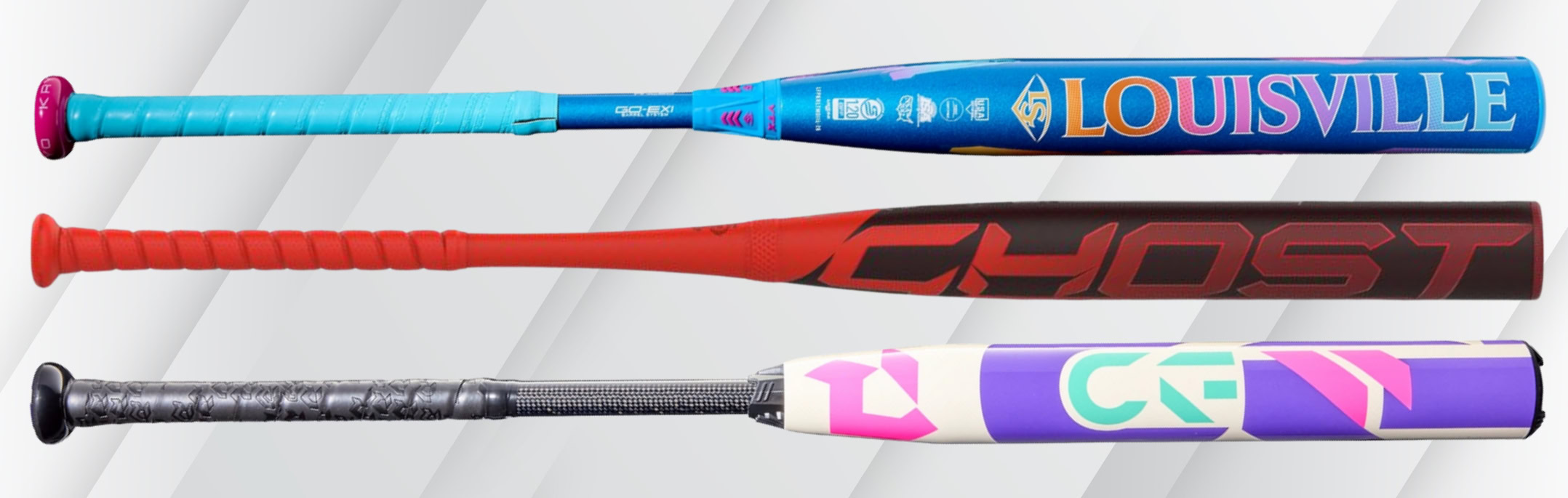
Contact hitters put the ball in play across all locations. High contact frequency defines the profile — not peak exit velocity. The 2026 DeMarini CF is the clearest current example of a contact-first bat: Paraflex Plus barrel, Type V Connection, and balanced swing weight work together to reward consistent contact over dead-center hits.
Read full CF review →Contact hitters rarely miss the barrel entirely. Their challenge is not making contact — it is generating enough authority on contact to move runners, produce RBIs, and put defensive pressure on opponents. A wide sweet spot is worth more to this profile than a stiffer, higher-compression barrel.
The common mistake for contact hitters is swinging a bat that is too light. Coaches sometimes push contact hitters into -11 or lighter bats to protect bat speed, but below a certain threshold you are leaving exit velocity on the table. For most high school contact hitters, -10 balanced is the floor of where bat speed gains stop paying back in production.
Buying an end-loaded bat "for more power." The extra barrel mass delays arrival at the contact point and disrupts the short, direct swing path that defines the contact profile. End-load works against the mechanic, not with it.
Also see our guide to best fastpitch bats for contact hitters for the full ranked list, and our contact hitter improvement guide for the mechanics side.
Exit velocity, authority, and earned end-load
Power hitters generate authority through rotational strength. The profile rewards end-loaded bats — but only when mechanics support the extra barrel mass without losing swing speed. The 2026 Easton Ghost Advanced in -8 or -9 is a leading option for true power profiles: Double Barrel construction pushes barrel compression to the maximum, and the end-cap design keeps the barrel end heavy through the zone.
Browse power hitter picks →Power hitters have a genuine, observable tendency to drive the ball with elevated launch angle and above-average exit velocity when they make square contact. That combination is what justifies end-load. If neither is consistently present, the profile is not power — it is aspirational power, and the bat spec is making the problem worse. Biomechanical research on the women's fastpitch swing confirms that exit velocity correlates most strongly with rotational force and hip drive — meaning the athlete's mechanics must support end-load before the bat design can deliver on its promise.
Test this directly: swing a -9 end-loaded bat and a -10 balanced bat on the same day in a cage. Measure exit velocity on 10 contacts with each. If the -9 produces higher exit velocity consistently, your mechanics support end-load. If the numbers are equal or lower, stay balanced. The test takes 20 minutes and is worth more than any spec comparison. Research on bat swing speed and MOI found that swing speed is strongly dependent on moment of inertia — meaning the weight distribution of an end-loaded bat affects swing speed more than the bat's total weight alone.
See our drop weight guide for the full breakdown of -8 vs. -9 vs. -10 decisions, and our 2026 DeMarini Lotus review for a power bat with two-piece durability advantages.
Speed, timing, and directional precision
The slapper profile is the most technique-specific in fastpitch. The swing executes while the hitter's body is already moving toward first base — which means barrel timing is everything. The 2026 DeMarini Prism+ in -11 is the most equipment-aligned slapper bat currently available: continuous fiber barrel with no dead zones, light MOI, and a Type-V connection that delivers immediate feedback rather than muting contact information.
Read full Prism+ review →According to AllAboutFastpitch's guide to slap hitting, the technique works best for left-handed hitters with explosive first-step speed, excellent bat control, and high softball IQ. These characteristics should be observable and consistent before a player adopts the slapper identity and the corresponding bat specs.
End-loaded bats are not a tool slappers can adjust to with practice. The physics work against the slap technique — extra barrel mass delays the barrel and changes the contact angle. The wrong bat here doesn't just underperform; it actively trains bad timing. A 3D kinematic study of the female softball swing confirms the swing is biomechanically distinct from other hitting profiles, reinforcing why equipment decisions cannot be transferred across profiles.
Authority to all fields, doubles machine
Gap hitters work the whole plate. They produce doubles, triples, and RBIs by driving pitches to both alleys — not just to the pull side. The Louisville Slugger LXT fits this profile cleanly: the PBF Speed Composite barrel and VCX3 connection allow independent barrel-handle movement, keeping the barrel on plane through outside-corner contact where gap hitters produce their most valuable hits.
Read full LXT review →Gap hitters are the most versatile profile in competitive fastpitch. The profile rewards the 2026 Rawlings Mantra as a strong alternative — its Three-Step Inner Barrel keeps off-center hits alive to both gaps, and the reconstructed F2 Collar meaningfully reduces sting versus last year's model.
For cold-weather players, our composite vs. alloy breakdown covers why gap hitters in early spring conditions should consider alloy as a secondary option before composite barrels reach their performance ceiling.
Balanced to end-loaded:
where each profile sits.
Swing weight is a spectrum, not a binary. Contact hitters and slappers sit at the lightest end. Gap hitters occupy the middle. Power hitters occupy the heavier end. Most players belong somewhere on this scale — understanding where you are is the first step to knowing what bat spec serves you.
Profile vs. Bat Specs
Use this as your baseline. Always confirm your bat is certified for your league via the USA Softball approved bat list, NFHS, or NCAA softball rules before committing at $350+.
| Profile | Swing Weight | Drop | Connection | 2026 Bat Match | |
|---|---|---|---|---|---|
|
Contact Hitter | Balanced | -10 or -11 | Vibration dampening | DeMarini CF, LXT |
|
Power Hitter | End-loaded | -8 or -9 | Rigid / one-piece | DeMarini Lotus, Ghost Advanced -8 |
|
Slapper | Balanced (low MOI) | -11 or lighter | Responsive feedback | Prism+ -11, LXT -11 |
|
Gap Hitter | Balanced / slight end-bias | -9 or -10 | Two-piece flex | Rawlings Mantra, DeMarini CF |
Common Questions
Yes, and it often does as mechanics develop and physical strength increases. A 14U player who is a contact hitter today may develop genuine gap or power profile characteristics by 17U if her rotational mechanics improve and she adds strength in the offseason. Reassess your profile at the start of each season before committing to new equipment. The bat that matched you last year may not match the hitter you are now.
Hybrid profiles are real — gap hitters especially share characteristics with both contact and power. When in doubt, identify the profile that describes the majority of your at-bats across a full season, not your best games. Your equipment should serve your consistent self, not your peak self. If the split is genuinely 50/50, default to the lighter, more forgiving option — a balanced bat underserves a true power hitter less than an end-loaded bat underserves a true contact hitter.
Field position and hitting profile are not directly linked, but there is a correlation at competitive levels. Corner infielders and corner outfielders are more often power or gap profiles. Up-the-middle positions — shortstop, centerfield — tend to attract contact and slapper profiles because speed and plate coverage matter more there. This is a tendency, not a rule. Profile is determined by what you actually do at the plate, not where you stand in the field.
Your hitting profile tells you which mechanical traits to develop and which drills produce the most return. A contact hitter benefits most from the two-tee drill and pepper for bat path discipline. A power hitter benefits from rotational strength training and launch angle work. A slapper benefits from footwork and timing drills. Knowing your profile focuses practice on the right skills rather than scattering effort across everything.
Take it seriously. Coaches observe hundreds of at-bats and have a reference frame players rarely have about themselves. If your coach consistently places you in a lineup spot or assigns you a role that contradicts your self-identified profile, ask them directly what they see. The conversation is valuable. It either confirms your assessment with context you were missing, or reveals an observational gap that can immediately improve your approach to both equipment and training.
Related Guides
Match a Bat to Your Hitting Style
Now that you know your profile, here are the exact bat specs it demands.
Best Fastpitch Softball Bats 2026
Top picks across every profile and budget.
Fastpitch Bat Finder
Answer four questions. Get a personalized recommendation.
Drop Weight Guide
-8, -9, -10, -11: which drop is right for your profile?
How to Become a Better Contact Hitter
Mechanics, drills, and approach for contact profiles.
What Is a Slap Hitter?
The full breakdown of slap hitting mechanics and technique.
Best Bats for Contact Hitters
Ranked list of top contact-hitter composites for 2026.
Best Bats for Power Hitters
Ranked end-loaded options for cleanup hitters.
Ready to match your profile to a bat?
Use the Fastpitch Bat Finder to get a personalized recommendation based on your level, hitting style, and drop weight preference.